


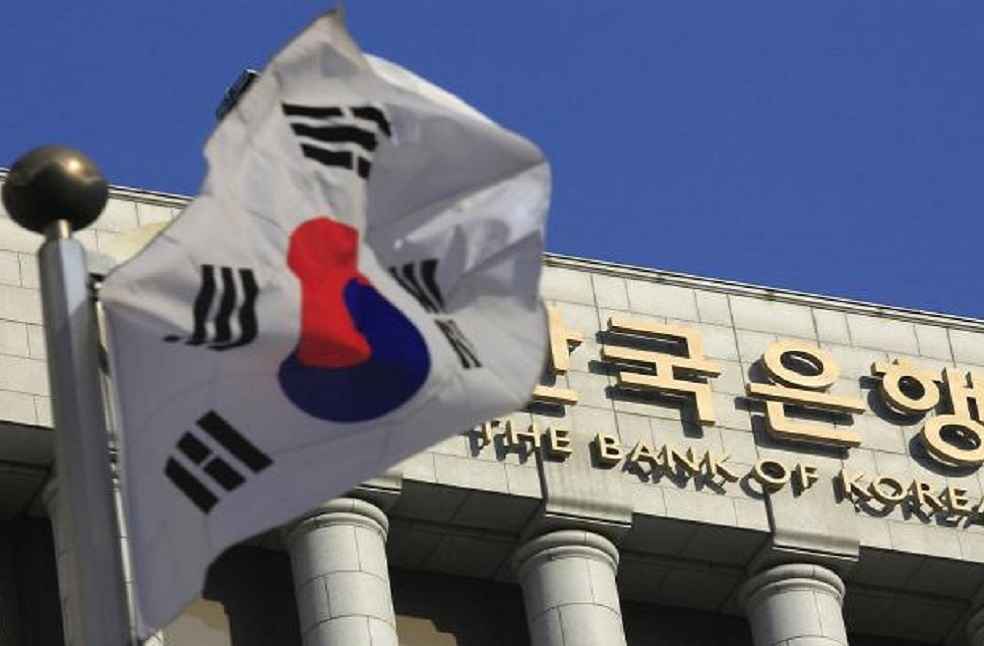
The Bank of Korea (BOK) has cautioned that the global dominance of the U.S. dollar heightens the impact of financial shocks originating in the United States, with potential risks set to grow as dollar-linked stablecoins spread internationally.
In the Issue Note released on the 15th, Dollar Hegemony and the Global Spillover of U.S.-Origin Shocks, the central bank examined how U.S. financial turbulence reverberates through global markets via the dollar’s international functions. The report was authored by Son Min-gyu, head of the financial modeling team at the BOK’s Economic Modeling Division.
The study highlighted the dollar’s central role in international finance and trade settlement, including its use in foreign reserves, cross-border borrowing, and import-export transactions across many economies, including Korea. Because the dollar also acts as both a safe-haven asset and a working-capital currency, economic shocks in the United States often ripple through Korea’s real economy.
For instance, in times of financial stress, demand for the dollar rises, driving up the local prices of goods traded in dollars and worsening Korea’s trade balance. This dynamic runs counter to the traditional view that a weaker local currency boosts export competitiveness. Similarly, U.S. interest rate hikes strengthen the dollar and weigh on Korea’s output.
The BOK’s analysis suggested that if the dollar’s hegemony were less pronounced, spillover effects would be smaller. Using a Dynamic Stochastic General Equilibrium (DSGE) model, researchers simulated a scenario where the dollar was not the dominant settlement currency. They found that the decline in domestic output following U.S. rate hikes could shrink by about 30%.
A separate simulation showed that if Korea’s exports were settled in won rather than dollars, a rise in the won-dollar exchange rate could improve export price competitiveness and, in the short term, boost exports. Under this scenario, the decline in domestic output fell by roughly one quarter.
The report added that regional currency swaps or Korea’s potential future inclusion in the World Government Bond Index (WGBI) could help cushion the domestic economy from external shocks.
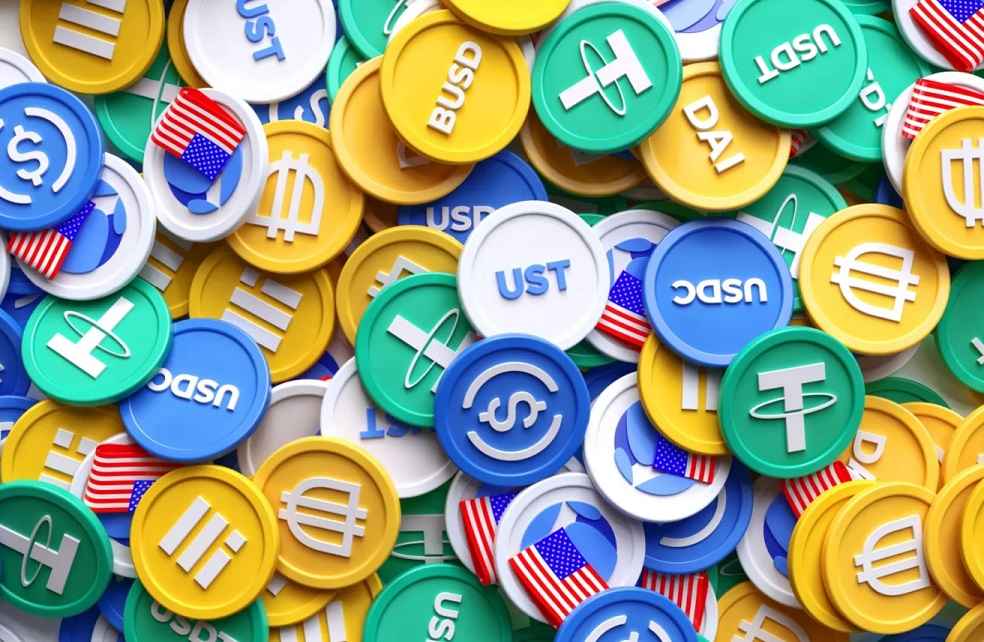
The BOK warned that the rise of dollar-pegged stablecoins could further entrench the dollar’s global dominance. Stablecoins are cryptocurrencies tied to fiat currencies such as the U.S. dollar or euro.
“If dollar stablecoins come into wide use for export-import settlement, the impact of dollar value fluctuations on global trade could expand,” the researchers noted. At the same time, they cautioned that risks such as excessive U.S. government bond issuance, waning confidence in Treasurys, or instability in the stablecoin market could undermine the dollar’s status.
LEADERS SPOT | U.S. and China Hold Talks in Spain on Trade and TikTok
