



Digital tools are reshaping international trade, enabling Nigerian businesses to compete globally. As Nigeria diversifies away from oil reliance, non-oil exports, including agricultural products, textiles, and finished goods, are emerging as key growth sectors.
For small and medium enterprises (SMEs), which form a large part of Nigeria’s economy, digital tools are increasingly essential for navigating the complexities of international trade.
Historically, Nigerian SMEs faced challenges such as high transaction costs, limited market access, weak infrastructure, and regulatory hurdles, which restricted their participation in export trade.

Today, digital solutions are changing that. Businesses in Lagos, for example, can reach customers in London, Dubai, or São Paulo with just an internet connection.
E-commerce platforms like Amazon, eBay, Alibaba, Jumia, Shopify, and Etsy have democratized access to global markets.
These platforms allow small Nigerian businesses to sell directly to international consumers without investing in physical stores or complex distribution networks.
Digital marketing has also transformed visibility for exporters. Tools like Google Ads, Facebook Ads, Instagram, and SEO strategies enable targeted, cost-effective promotion to specific international audiences.
It provides smaller firms with exposure that was previously unattainable.

Payment innovations further enhance cross-border trade. Platforms like PayPal, Payoneer, Flutterwave, mobile money, and even cryptocurrencies allow businesses to receive international payments securely and efficiently.
It further eliminates the barriers posed by traditional banking systems.
Cloud computing and data analytics are equally vital. Cloud services like Google Drive, Microsoft 365, and Dropbox facilitate collaboration, operational efficiency, and remote management.
Analytics tools such as Google Analytics and HubSpot provide insights into market trends and consumer behavior, enabling smarter, data-driven business decisions.
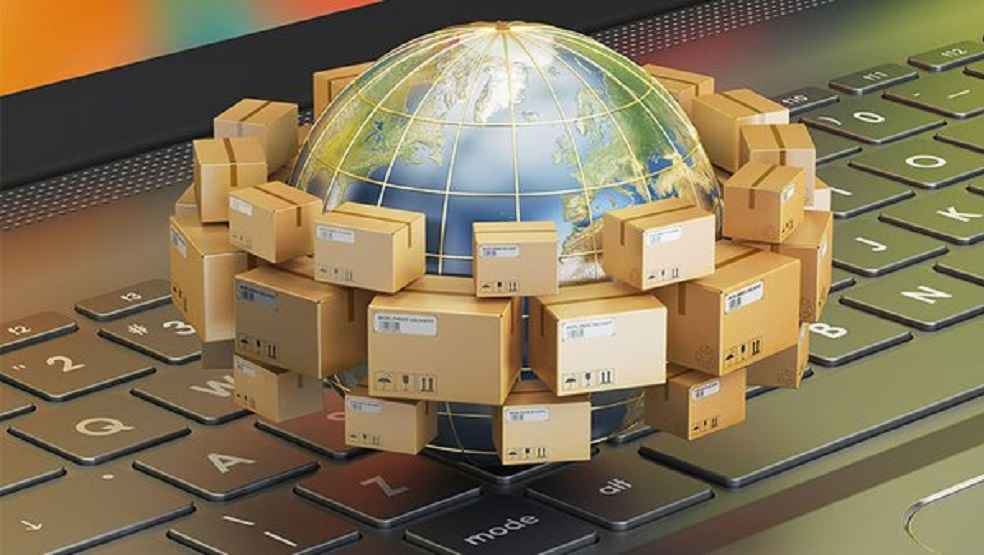
The adoption of these digital tools allows Nigerian exporters to reduce costs, increase efficiency, and reach new markets. Beyond business benefits, digital trade also drives economic growth, job creation, and innovation.
As non-oil exports gain prominence, digital platforms will be pivotal in helping Nigerian SMEs scale internationally.
For Nigerian entrepreneurs, embracing digital tools is no longer optional; it is a strategic necessity.
Leveraging e-commerce, digital marketing, secure payment systems, cloud computing, and analytics equips businesses to compete globally, unlock new opportunities, and contribute to Nigeria’s economic prosperity.
TRADE WORLD | Asia Pacific Powers Record Global Trade Growth, DHL Report Reveals