


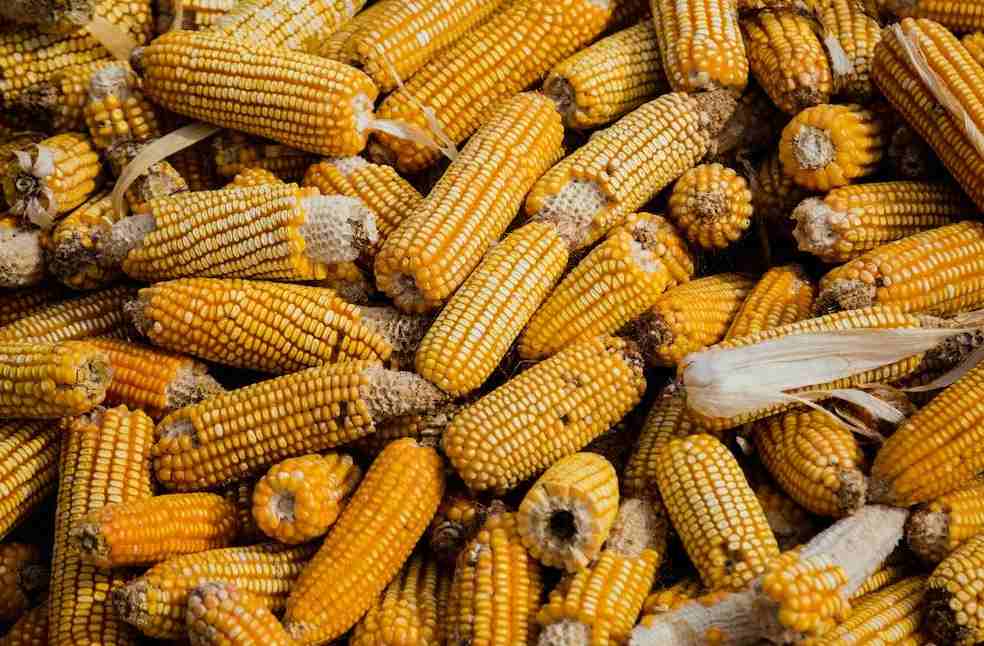
Global agricultural markets delivered mixed signals last week as corn export demand strengthened, soybean sales weakened, and livestock shipments remained steady, while Brazil continued to expand its influence across key commodity sectors.
According to the U.S. Department of Agriculture, U.S. corn export sales reached about 81.5 million bushels, nearly doubling from the previous week, with Japan, South Korea, Colombia, Mexico, and Taiwan leading purchases.
Shipments totaled 59.6 million bushels, reflecting sustained global demand for feed grains. Wheat sales were recorded at 17.9 million bushels, with exports of 21.3 million bushels driven by buyers including the Philippines, Bangladesh, and Mexico.
Soybean demand, however, cooled sharply. Sales dropped to a marketing-year low of 10.4 million bushels, although export volumes remained strong at 41.5 million bushels, largely destined for China. Cotton bookings reached 231,000 bales, led by Vietnam and Turkey, while livestock exports showed modest activity.
Beef sales totaled 15,700 metric tons with exports of 11,700 metric tons, mainly to South Korea and Japan, while pork sales reached 28,600 metric tons with shipments of 37,000 metric tons led by Mexico and Japan.
Markets are also reacting to the February World Agricultural Supply and Demand Estimate report, which raised crop projections for South America.
Commodity broker Greg McBride said the updated outlook brought U.S. forecasts closer to other global estimates, particularly with Brazil’s soybean production projected at around 180 million tons, a departure from the USDA’s typically more conservative stance.
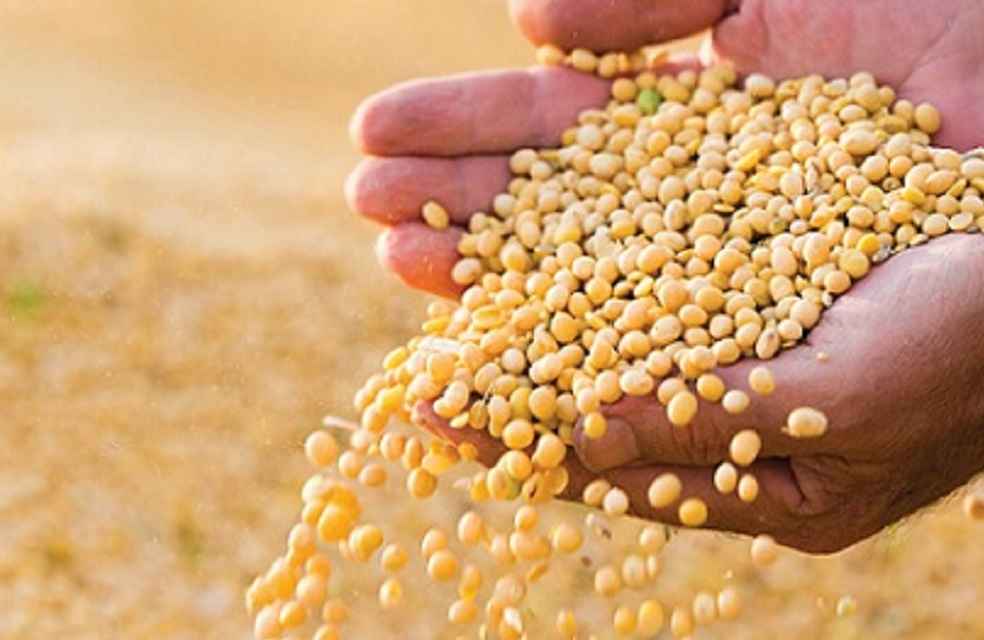
Attention is now focused on potential Chinese purchases, after comments suggesting Beijing may consider buying an additional 8 million metric tons of soybeans, though analysts caution that no deal has been confirmed.
At the same time, Brazil’s growing agricultural dominance is reshaping global competition. The country is on track to surpass the United States as the world’s largest beef producer and recently shipped a record 109 million tons of soybeans, primarily to China.
Lower production costs and heavy investment in processing have boosted Brazil’s exports of corn ethanol byproducts and soybean meal, while new trade agreements covering sorghum and distillers’ grains are expected to intensify rivalry in international markets.
POLICY & LAW | China Lowers Duties on EU Dairy Products After 18-Month Probe