



Colombia is expanding its presence in global pharmaceutical trade, exporting certified medicines from more than 100 facilities approved by the national regulator INVIMA to over 20 countries, as rising international demand for affordable, quality-assured treatments drives growth in the sector.
The country’s pharmaceutical output spans generic drugs, vitamins, hospital medicines, and treatments targeting oncology, respiratory illnesses, dermatology, and mental health conditions. Officials and industry groups say these exports support employment and innovation domestically while helping address supply gaps in regions across Latin America, Asia, and Africa.
Growing pressure on healthcare systems worldwide has increased demand for cost-effective medicines, particularly as supply chain disruptions and regulatory hurdles limit access in some markets. Colombia has positioned itself to fill part of that gap through certified manufacturing aligned with international standards.
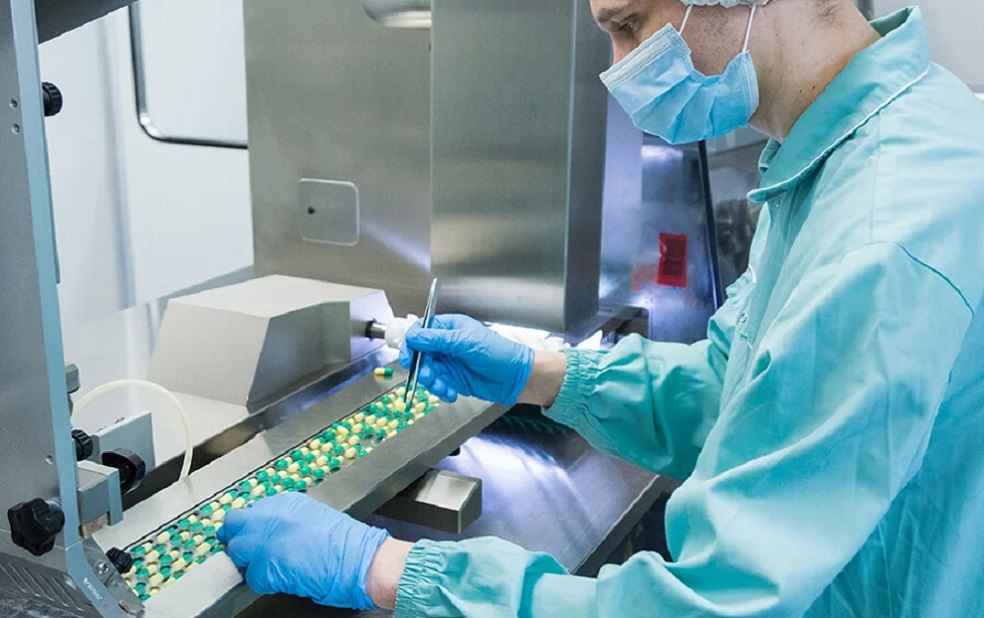
According to trade association Analdex, Colombia exported 9.8 million tons of goods through May 2025, with pharmaceuticals contributing a rising share of high-value shipments. Data from the national statistics agency (Dane) shows pharmaceutical exports reached $162 million between January and May 2025, marking a growth of more than 5% year on year.
Industry analysts link part of this expansion to trade agreements that lowered tariff barriers, including regional deals with Peru and Chile implemented in recent years.
Asia has also emerged as a new destination, with India and Vietnam importing Colombian antimicrobials for the first time in 2024. Those shipments totaled about $18 million by May 2025, although experts caution that currency volatility could weigh on margins for exporters.
ProColombia and other trade bodies emphasize that INVIMA certification, aligned with World Health Organization guidelines, strengthens buyer confidence and enables access to hospital procurement systems abroad.
Facilities in cities such as Bogotá and Barranquilla have expanded production lines to support export demand, while sterile injectable manufacturing remains a major focus due to its strict quality requirements.

More than 100 plants operate under INVIMA oversight, producing a wide range of medicines, including anesthetics, anti-inflammatories, corticosteroids, antimicrobials, and nervous system drugs.
Laboratorio Vitalis alone manufactures over 180 million injectable units annually across seven facilities in three countries, highlighting Colombia’s growing capacity to supply markets beyond domestic needs.
Despite the positive outlook, supply chain risks remain. Shortages of raw materials linked to global disruptions, particularly in China, delayed around 15% of injectable batches last year, underscoring the need for more resilient sourcing strategies.
Trade experts also warn that payment delays within Colombia’s health system could strain manufacturers, balancing local obligations with export growth.
Infrastructure investments and workforce development have helped expand capacity by roughly 35% over the past three years, generating more than 57,000 direct jobs tied to pharmaceutical exports and research. Colombia Productiva projects the sector could reach $1.7 billion in sales by 2032 if current trends continue.
Business leaders say Colombia’s pharmaceutical industry is gradually shifting from commodity-based exports toward higher-value manufacturing, strengthening economic resilience and healthcare expertise.
Observers note that diversification into biosimilars and advanced therapies will be essential to remain competitive as global demand evolves, while policymakers face pressure to ensure export success translates into stronger domestic healthcare outcomes.
INSPIRING | Richeerz Targets India Expansion After EU Trade Deal