


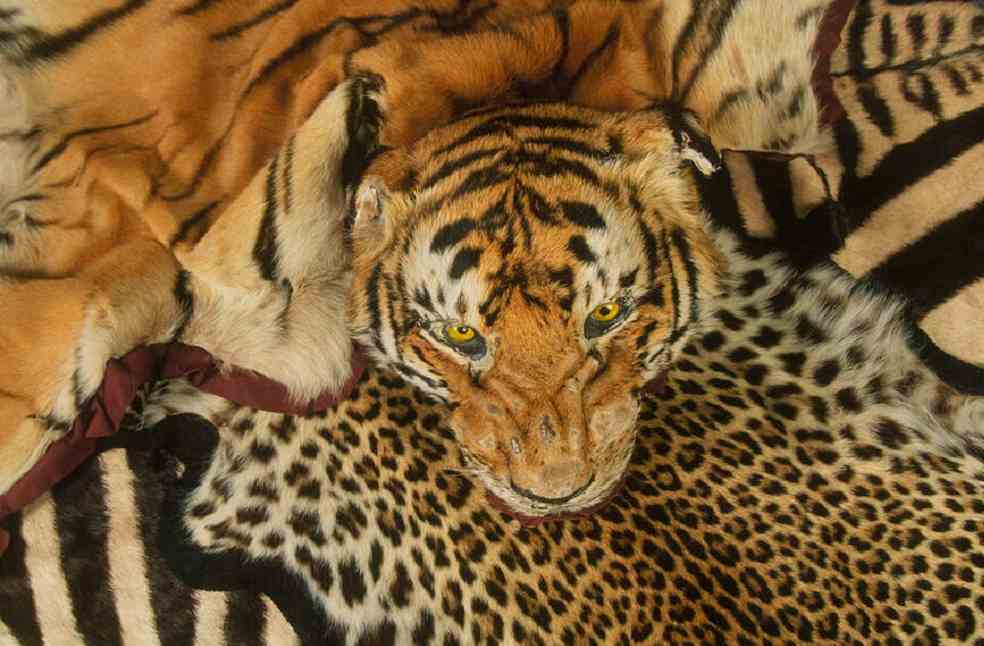
A verification mission by the Convention on International Trade in Endangered Species of Wild Fauna and Flora (CITES) has advised India to temporarily suspend the import of critically endangered species.
The restricted species include gorillas, orangutans, chimpanzees, and snow leopards. The suspension will remain until stricter due diligence and monitoring systems are implemented to prevent illegal wildlife trade.
The Geneva-based CITES Secretariat, which oversees the 185-nation treaty protecting endangered flora and fauna, made the recommendation following its September 15–20 mission to India.
The team inspected the Vantara Greens Zoological Rescue and Rehabilitation Center (GZRRC) and the Radha Krishna Temple Elephant Welfare Trust (RKTEWT) in Jamnagar, Gujarat. The visit was ordered after concerns emerged over the legality of live animal imports into India under the “zoo” trade category.
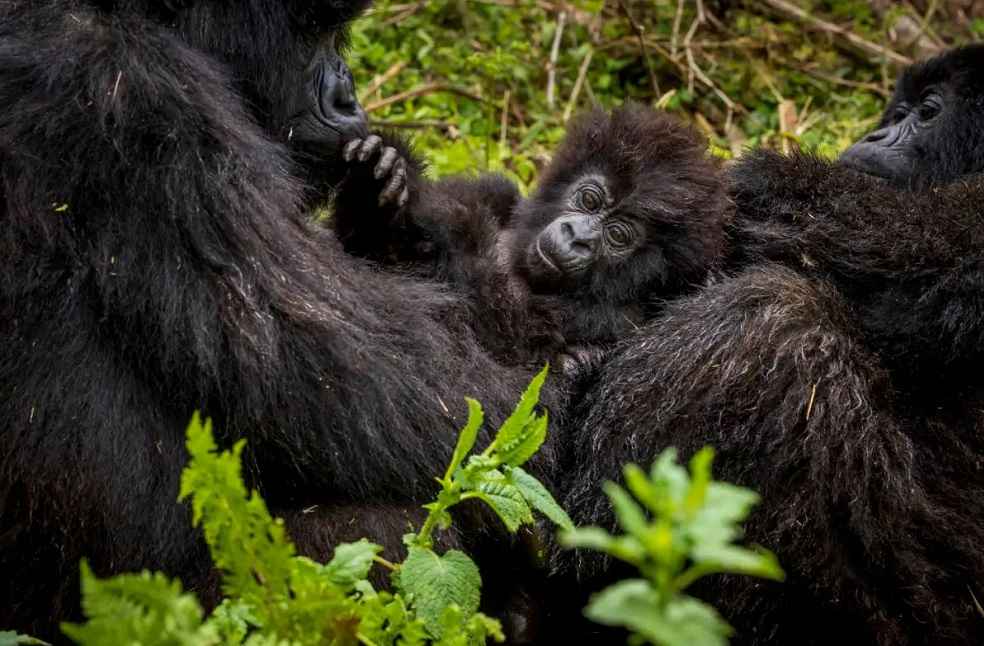
The CITES report acknowledged that all animal imports to India were carried out with valid export and import permits. It raised questions about the origin of some animals, the legitimacy of breeding claims, and whether India’s CITES authorities were exercising sufficient scrutiny.
The mission pointed out inconsistencies in the use of source and purpose codes, especially where animals were imported as ‘captive-bred’ (source code C) for zoo purposes (purpose code Z), and highlighted potential risks of wild-caught animals being misdeclared as captive-bred.
Under India’s Wildlife Protection Act, zoos are prohibited from acquiring, selling, or transferring animals except with other recognized zoos.
Yet, several imports reportedly came from commercial breeding facilities abroad, prompting CITES to seek confirmation that these exporters were indeed registered zoos and not commercial operations exploiting regulatory gaps.
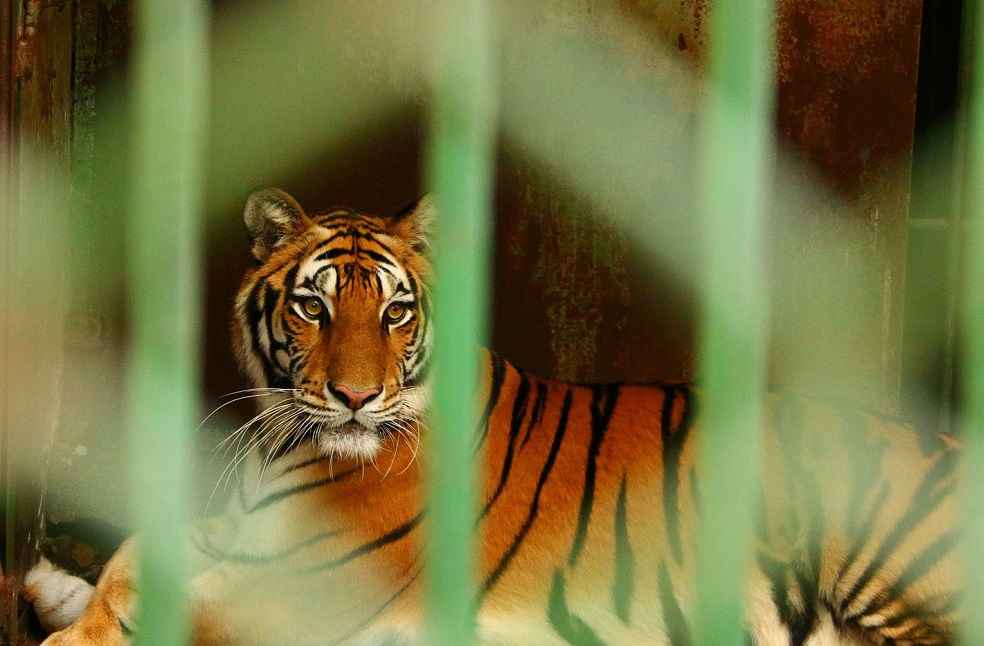
Considering the scale of imports by the Jamnagar-based facilities, CITES urged India to immediately review and strengthen its import verification process.
The Secretariat also asked India to validate all flagged imports with relevant source or transit countries, including Congo, Germany, Guyana, Iraq, Mexico, Syria, and the UAE, to confirm whether the animals were genuinely captive-bred. If not, corrective measures are to be taken.
The CITES Standing Committee is scheduled to review the findings at its upcoming meeting in Samarkand, Uzbekistan, on November 23. India has been asked to report back within 90 days detailing the steps taken to enhance compliance and oversight of its wildlife import procedures.
NEW LAUNCH | China to Boost Demand for Imported Goods with New Trade Initiative
