


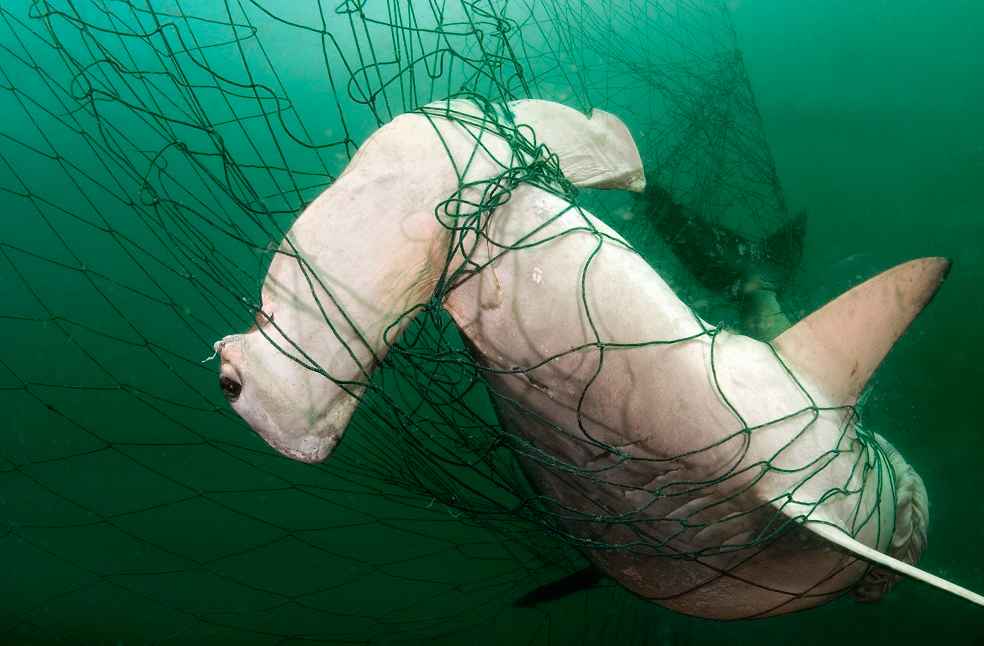
More than 70 species of sharks and rays have been granted strengthened international protections in what conservationists are calling a landmark victory for global marine conservation.
The measures were approved at the 20th Conference of the Parties (CoP20) to the Convention on International Trade in Endangered Species of Wild Fauna and Flora (CITES).
Whale sharks, along with all manta and devil rays, have been uplisted to Appendix I, the highest level of protection under CITES. The listing bans all commercial international trade in these species and their products. The decision follows yesterday’s vote to uplist the critically endangered oceanic white tip shark to the same level.
Manta and devil rays face severe population pressures, with all nine known species now classified as threatened with extinction, according to the October 2025 IUCN Red List update.
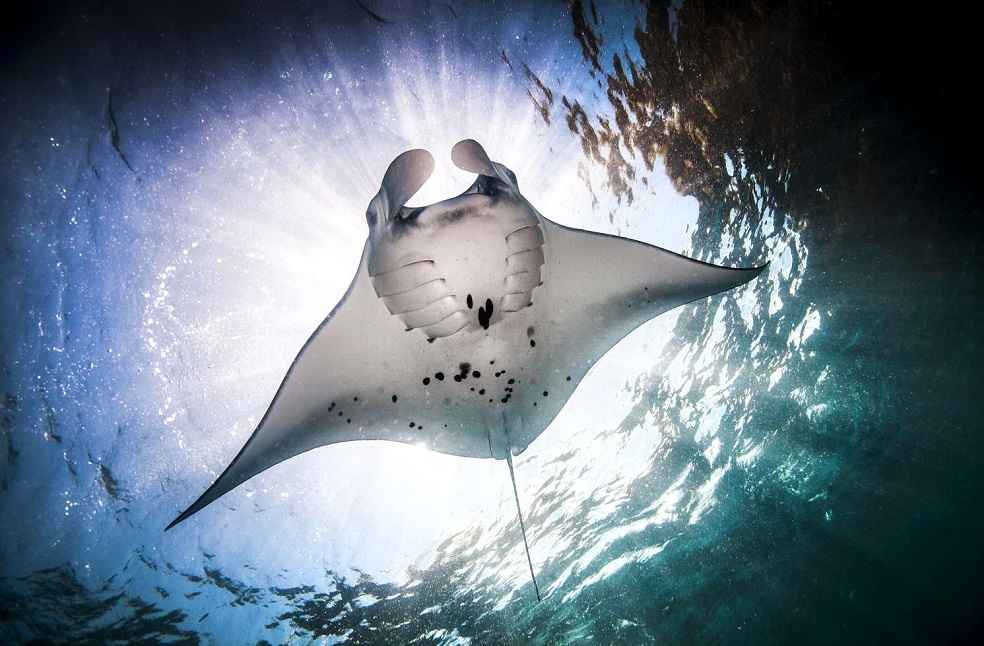
Although they were previously placed on Appendix II in 2013 and 2016, populations have continued to decline sharply, with reductions of up to 92% in some regions. Unregulated and illegal trade in mobulid gill plates has persisted despite earlier protections.
Endangered whale sharks, the world’s largest fish, also continue to be targeted for their fins. Their move to Appendix I aims to shut down commercial trade and provide a critical buffer against further depletion.
CITES parties also imposed a zero annual export quota for several species of guitarfishes and wedgefishes, many of which are critically endangered. The measure effectively halts legal international trade.
Tope and smooth-hound sharks, widely consumed in global meat markets and often sold as ‘flake’ in fish and chips, received CITES protections for the first time with an Appendix II listing. Trade will now be permitted only if it can be demonstrated to be sustainable.
Gulper sharks, deep-sea species targeted for their valuable liver oil used in cosmetics, were similarly added to Appendix II. With 75% of gulper shark species threatened with extinction and some populations down by 80%, scientists warn that their slow reproductive rates make recovery extremely difficult.
The International Fund for Animal Welfare (IFAW) welcomed the decisions, noting that they reflect strong scientific evidence and intensifying global concern about steep declines in shark and ray populations.
Barbara Slee, Senior Program Manager at IFAW, said sharks have been pushed to the brink by relentless demand for fins and meat. “People may fear sharks, but the truth is we pose a far greater threat to them, with more than 100 million killed every year,” she said.
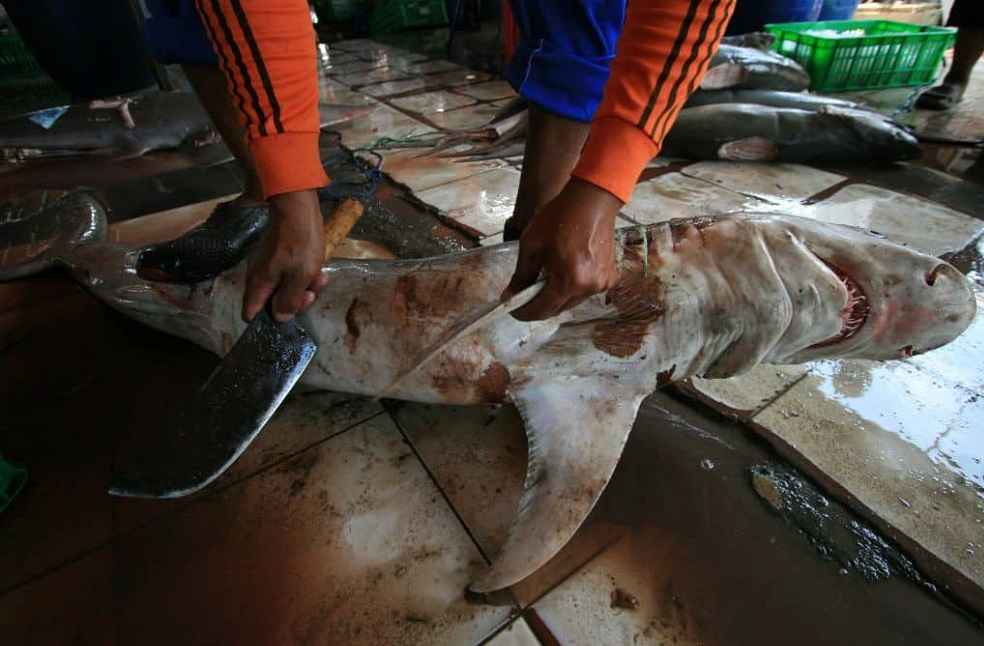
She added that the new listings represent a crucial step toward reversing widespread declines and preventing extinctions that once seemed unavoidable.
CITES CoP20, held in Samarkand, Uzbekistan, opened on November 24 and runs through December 5. All decisions must be formally endorsed during the final plenary session, after which they will take effect 90 days later.
BUSINESS GENERAL | Vietnam’s Export Promotion Forum 2025 Focuses on Global Opportunities