


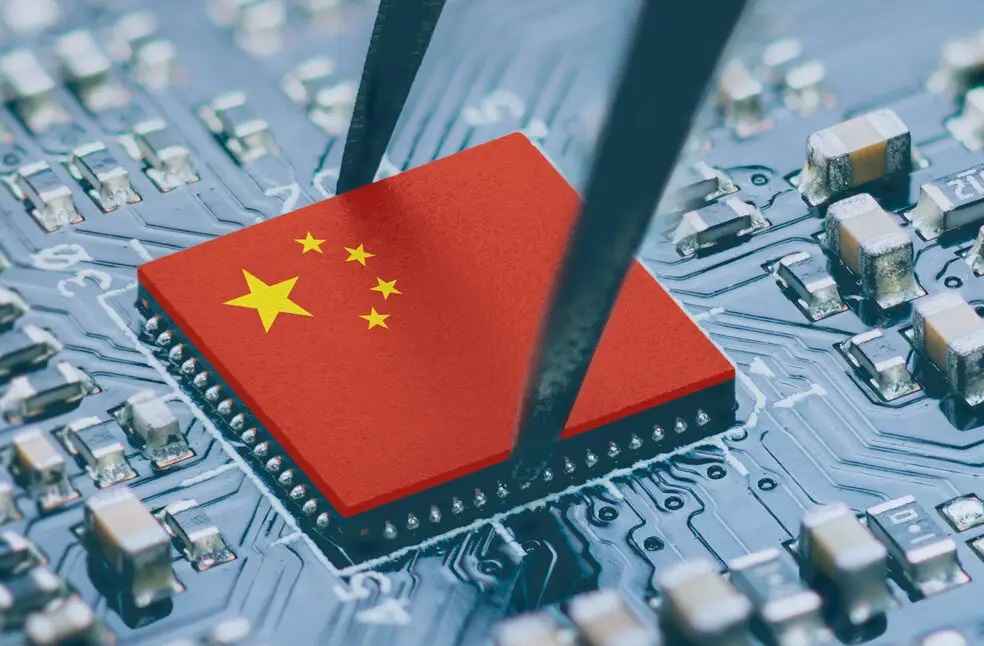
The Trump Administration on Monday intensified its crackdown on Chinese tech companies by extending existing restrictions to include their subsidiaries.
The U.S. move seeks to prevent blacklisted firms, such as tech giant Huawei, chip manufacturer YMTC, and drone producer DJI, from bypassing export restrictions by channeling controlled technologies through their affiliated subsidiaries.
According to the U.S. Department of Commerce, the updated regulation ‘closes a significant loophole’ by extending export control restrictions to any subsidiary that is at least 50% owned by a company already on the blacklist, a change that could impact tens of thousands of firms.
A spokesperson for China’s Ministry of Commerce condemned the decision as ‘extremely malicious,’ stating that China would take appropriate steps to safeguard the rights and interests of its businesses.

The latest measures signal a renewed effort by Washington to strengthen existing controls on more than a thousand Chinese companies that the Commerce Department identified as threats to U.S. national security or foreign policy interests.
The restrictions expand across critical emerging sectors, including artificial intelligence, semiconductors, advanced robotics, and the machinery used to manufacture them. The updated rule will also apply to entities listed under the ‘Military End-User list,’ designed to block dual-use items from being repurposed for military applications.
Experts and policymakers have repeatedly cautioned that sanctioned companies might exploit subsidiaries or affiliates to circumvent existing restrictions. In 2023, the U.S. House Foreign Affairs Committee issued a report criticizing the entity list as ‘ineffective’ and advocating for a revamped strategy.
“For too long, loopholes have enabled exports that undermine American national security and foreign policy interests,” said Jeffrey I. Kessler, Under Secretary of Commerce for Industry and Security.
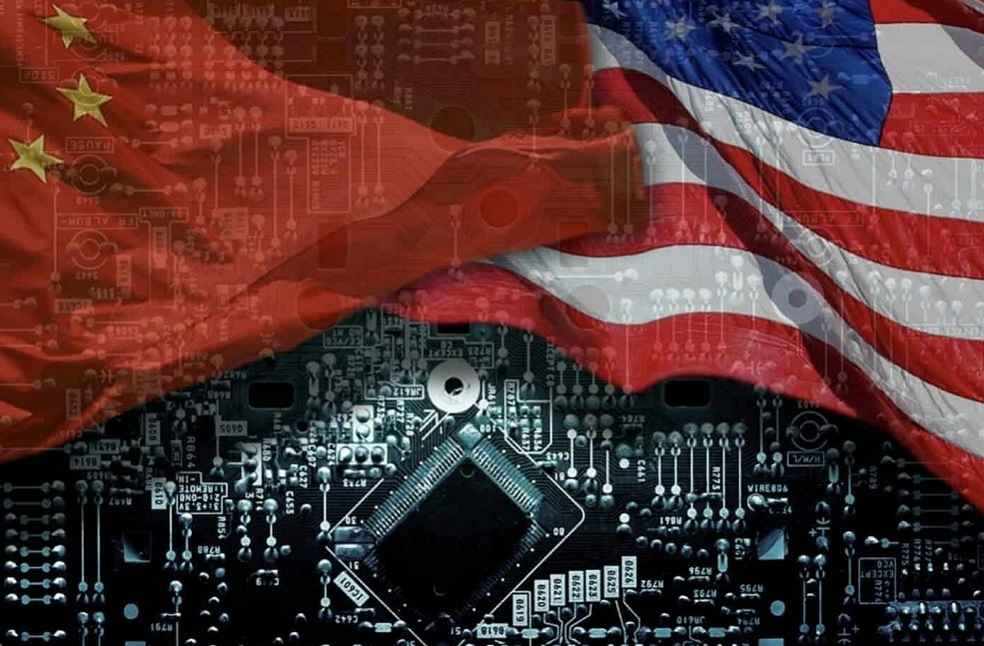
Although the rule change does not explicitly target China, Chinese and Russian entities make up the majority of those on the list, largely due to their involvement in advancing their countries’ military technologies.
In an official document released alongside Monday’s declaration, the Commerce Department’s export control bureau expressed concern that the previous framework could allow evasion tactics, such as setting up new foreign entities to bypass Entity List restrictions.
According to the department, the expanded controls, now covering subsidiaries of listed companies, took effect immediately, granting certain firms a 60-day exemption.
POLICY & LAW | China Ends Tariffs on Indian Pharmaceuticals as U.S. Imposes High Duties