


China’s foreign trade is expected to accelerate this year as exporters expand tech exports, shift towards more technology-intensive products, and deepen ties with emerging markets, according to government officials and business leaders.
Latest data from the General Administration of Customs (GAC) showed that China’s foreign trade rose 3.5% year-on-year to 29.57 trillion yuan ($4.14 trillion) in the first eight months of 2025. Exports grew 6.9% to 17.61 trillion yuan, while imports slipped 1.2% to 11.96 trillion yuan.
Lyu Daliang, director of GAC’s department of statistics and analysis, said growth during this period was 0.6% points higher than in the first half of the year. Both exports and imports registered increases in August, marking the third consecutive month of simultaneous growth.
“Despite a challenging and complex external environment, China’s trade has continued to demonstrate resilience and vitality,” Lyu said, noting that improvements in trade quality, the dynamism of private firms, and stronger Belt and Road Initiative (BRI) ties will remain key growth drivers.
Private enterprises played an increasing role, accounting for 219 of the top 500 trading companies by volume, 20 more than last year. Nearly half of the high-tech trade in the first eight months was generated by private firms, reflecting their innovation strength and global influence.
Peng Bo, researcher at the Chinese Academy of International Trade and Economic Cooperation, said China has nurtured competitive industrial clusters and innovative companies, with rising orders from Europe, BRI economies, and other emerging markets creating new growth engines for manufacturers.
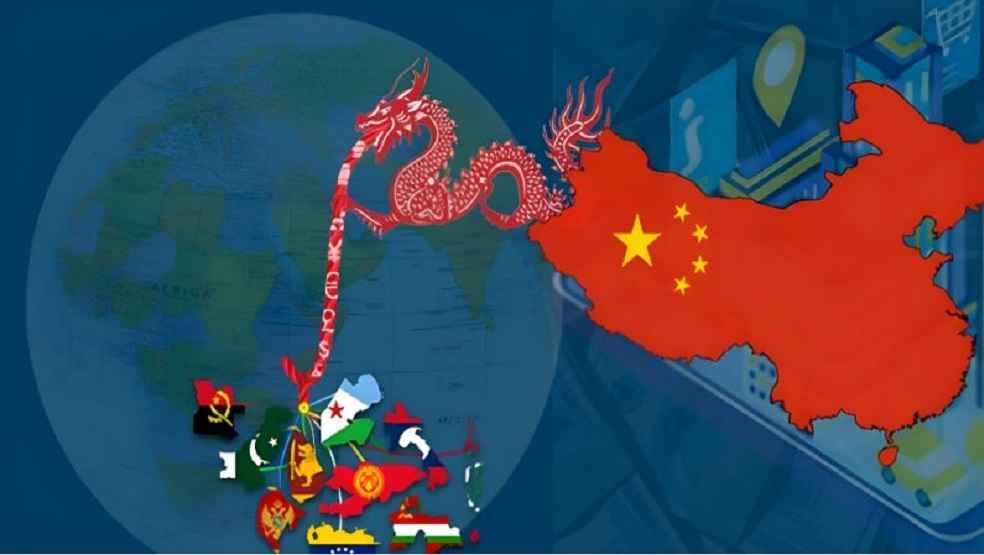
Customs figures highlighted that mechanical and electrical products, the core of China’s technology-driven exports, reached 10.6 trillion yuan between January and August, up 9.2% year-on-year, representing over 60% of total exports. Trade with the European Union increased 4.3% to 3.88 trillion yuan, while BRI-related trade grew 5.4% to 15.3 trillion yuan.
Chinese exporters are also expanding into new markets. Ningbo Weiyun Electronic, based in Zhejiang province, shipped to Thailand for the first time this year while growing its presence in Greece, Croatia, and Finland, with plans to enter Vietnam. The company’s exports to ASEAN countries rose 18.3% year-on-year to nearly 42 million yuan in the first eight months, according to Ningbo Customs.
International stakeholders see opportunities in this trend. Oliver Oehms, executive director of the German Chamber of Commerce in China-North China, said Chinese exporters’ growing footprint in emerging markets is creating prospects for their partners. German firms with supply chains in China could leverage triangular cooperation to access Southeast Asia, the Middle East, and Africa, he said.
POLICY & LAW | India, Israel Ink Bilateral Investment Treaty to Boost Ties