


China recorded its largest-ever trade surplus last year, reaching nearly $1.2 trillion, according to a report by NBC, citing data released on Wednesday.
China’s goods trade reached 45.47 trillion yuan ($6.51 trillion) last year, a 3.8% increase from 2023, as per data from the General Administration of Customs. Exports accounted for 26.99 trillion yuan ($3.8 trillion), while imports totaled 18.48 trillion yuan ($2.6 trillion).
Compared with the previous year, exports rose 6.1%, and imports edged up 0.5%.
Export growth to emerging markets, including Latin America, the Middle East, and Africa, outpaced the overall export growth rate, according to Wang Jun, a vice minister at China’s customs administration.
The annual data follows China’s trade surplus exceeding $1 trillion for the first time in November, surpassing the total surplus of $992 billion posted in 2024.
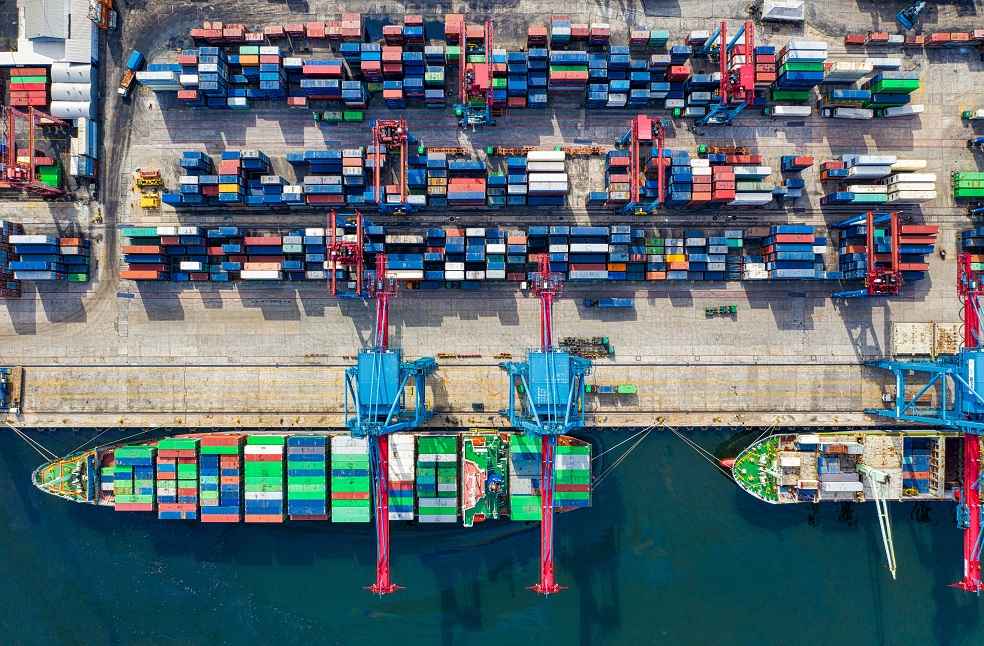
China recorded a monthly trade surplus exceeding $100 billion seven times last year, partly supported by a weaker yuan, compared with only once in 2024. Overall exports remained resilient, even though shipments to the U.S. dropped 28% in 2025, according to a report released this week by shipping data firm Project44.
As one of America’s largest trading partners, China continues to rely heavily on exports to drive growth.
Trump has levied steep tariffs on Chinese imports, citing unfair trade practices as the cause of America’s trade deficit. Multiple rounds of retaliatory measures by both sides pushed tariffs to as high as 145%, effectively creating a trade embargo.
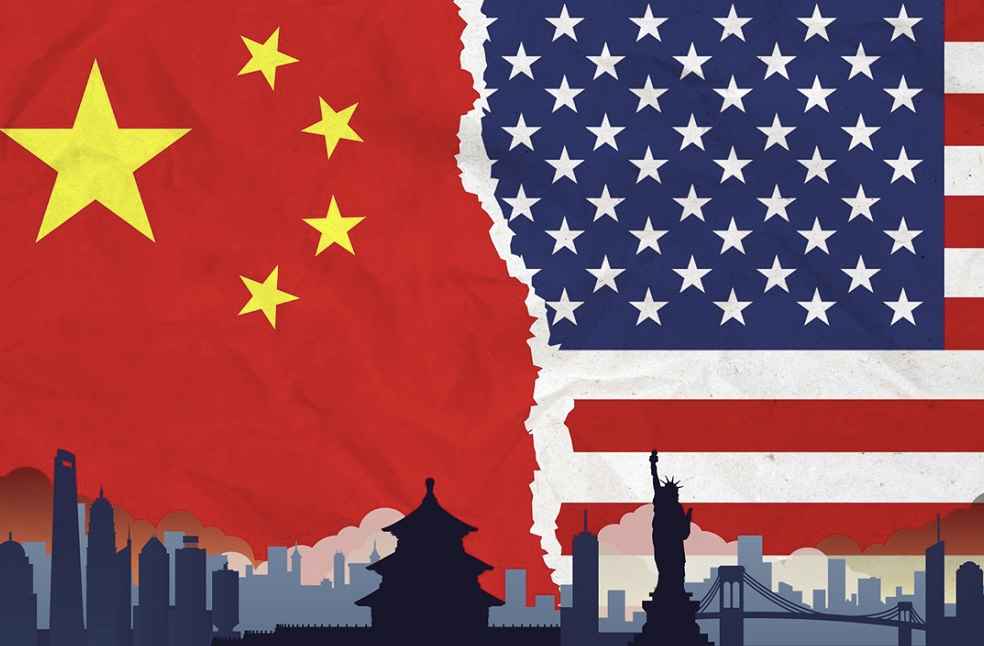
Although Trump and Chinese President Xi Jinping agreed in October to extend a trade truce for another year, U.S. tariffs on Chinese goods remain at 47.5%—a rate experts contend leaves Chinese exporters unable to turn a profit.
Chinese exporters have adapted to U.S. tariffs by expanding into alternative markets and restructuring supply chains, moving lower-end manufacturing to third countries in Southeast Asia and other regions with lower U.S. tariff exposure.
U.S. exports to China have also declined amid ongoing trade tensions. Meanwhile, rising Chinese shipments to markets outside the United States have sparked concerns that an influx of low-cost Chinese goods could overwhelm local markets and undercut domestic producers.
BUSINESS GENERAL | Australian Wine Industry Joins $50m Trade Expansion Drive