


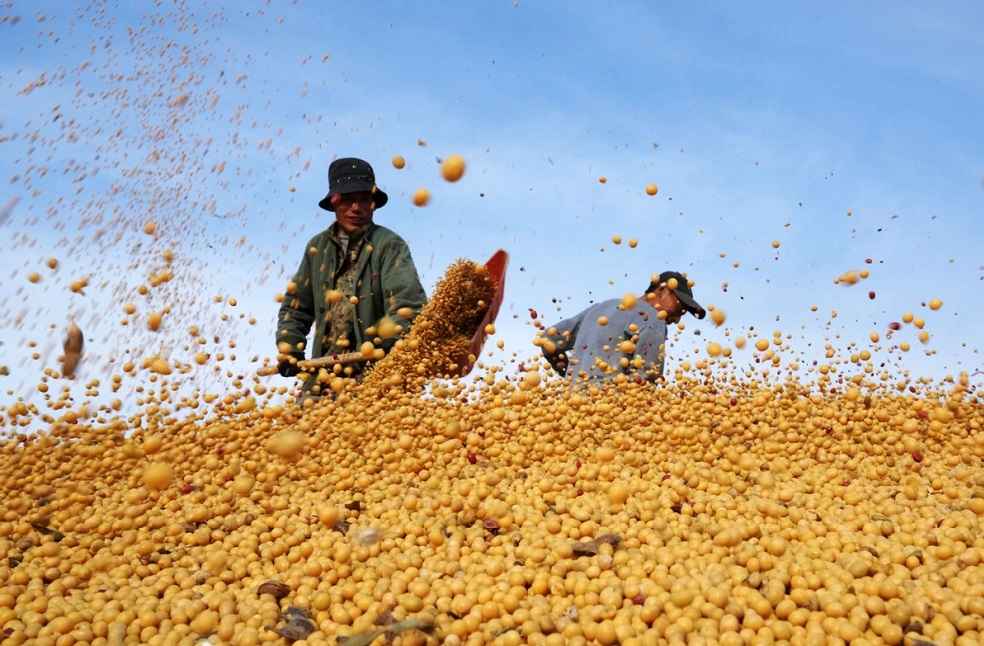
Soybean farmers across the United States, particularly in Missouri and Illinois, are facing one of their toughest seasons in years. The struggle began when China, the nation’s largest soybean buyer, halted purchases of U.S. soybeans amid escalating trade tensions.
In Missouri, where fields are ready for harvest, farmers say the outlook has never been more uncertain. The state, ranked seventh nationally in soybean production, has long relied on the crop as an economic cornerstone.
Retaliatory tariffs between the United States and China have sharply reduced export demand, pushing prices below sustainable levels.
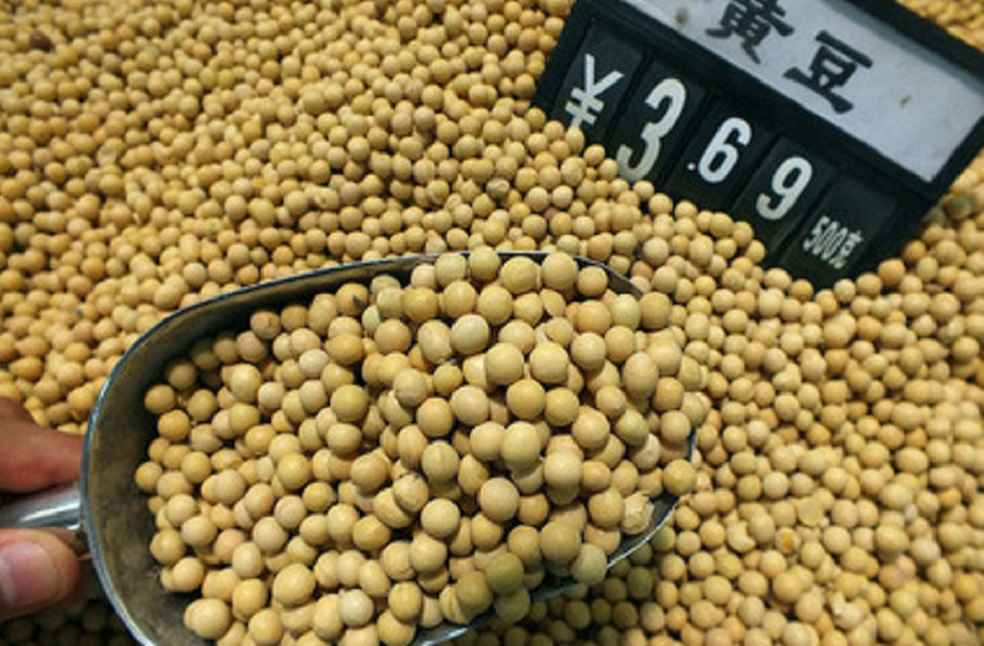
According to farmer Justin Littleton, soybean prices have fallen to $9.92 per bushel, far below the break-even point. In 2022 and 2023, soybeans sold for around $12.78 per bushel, highlighting the steep decline.
“These low prices, we saw several area farmers that went bankrupt or just got out before they went bankrupt last year,” Littleton said. “The way things are looking, it could be even worse this year.”
The downturn stems from China’s retaliatory tariffs on U.S. soybeans following American tariffs on Chinese exports. Once accounting for more than half of global soybean imports, China has shifted to alternative suppliers, effectively boycotting U.S. soybeans. This year, China has bought none from the United States.
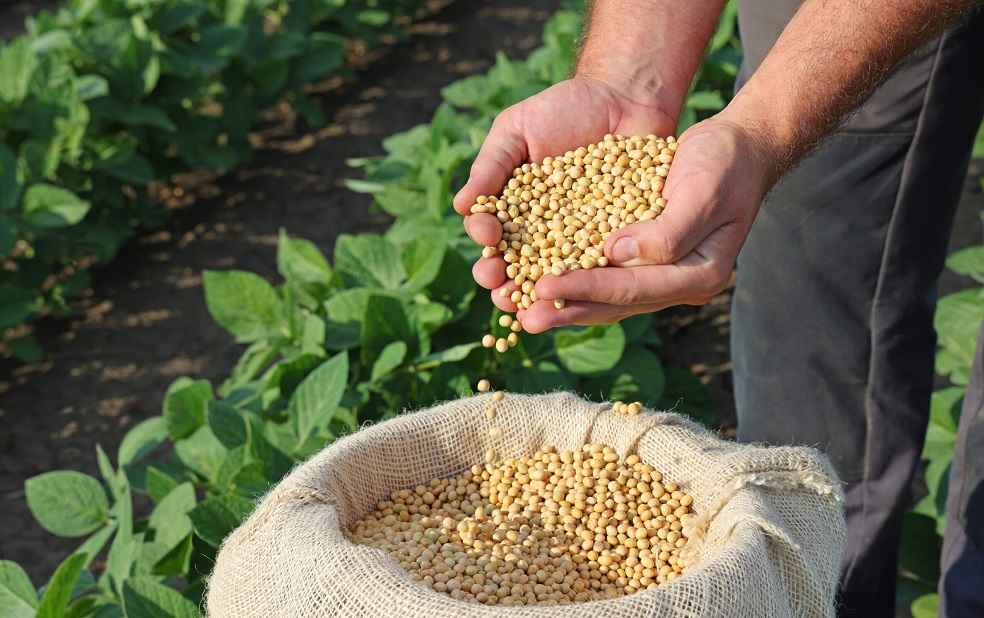
Reports suggest that President Donald Trump plans to unveil a major aid package for affected soybean farmers using tariff-generated revenue. The announcement is expected today (Tuesday, October 7, 2025), but farmers remain sceptical.
“This will definitely help,” said Littleton. “Whether or not it will be enough to get everybody squared back up, I don’t know. Obviously, none of us farmers want a bailout. We’d just as soon have a good market for the product we produce.”
Across America’s heartland, farmers are doing what they can to stay afloat, holding onto hope that trade negotiations might bring relief. “As soybeans go, I think our option is to either hope we get a trade deal made or hope that South America runs out of beans, and then these other countries have to start coming to us,” Littleton added.
IMEX SECTOR | Argentina Tightens Export Regulations on Sorghum to Boost Trade