



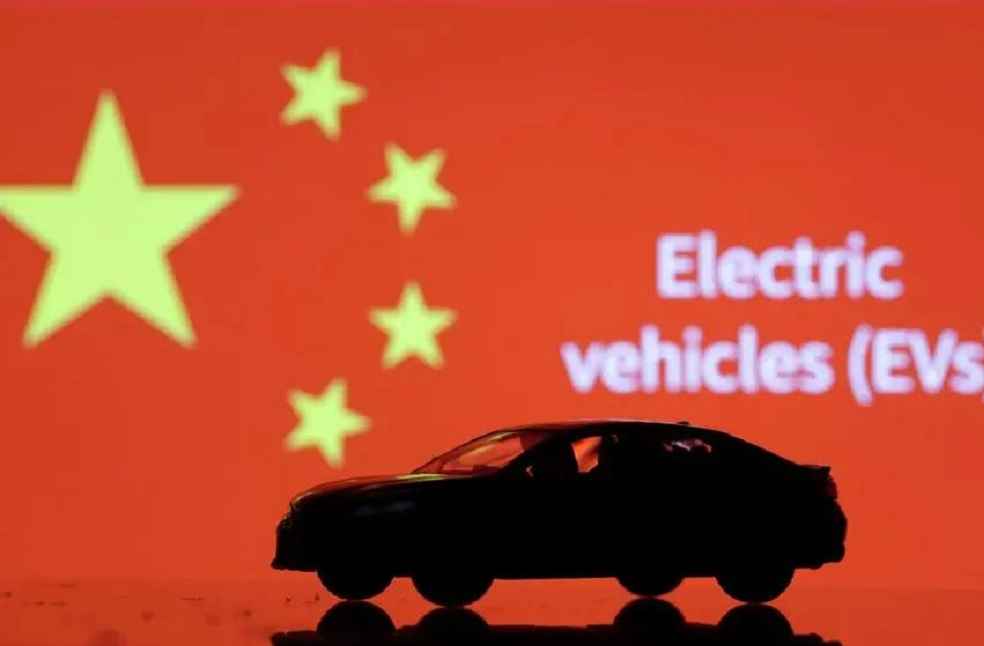
China has announced a preliminary anti-dumping duty of 75.8% on Canadian canola imports, marking a sharp escalation in the yearlong trade dispute triggered by Ottawa’s tariffs on Chinese electric vehicles last August. The provisional duty will take effect on Thursday, effectively shutting Canadian canola out of the world’s largest market for the crop.
The decision follows a September 2024 investigation by China’s Ministry of Commerce, which concluded that Canada’s canola industry had benefited from significant government subsidies and preferential policies. While the probe is set to conclude in September, Beijing can extend it by six months, potentially altering or overturning the duty.
Traders say the steep rate is tantamount to a ban. “Who will pay a 75% deposit to bring Canadian canola to China?” one Singapore-based oilseed trader remarked. Futures for rapeseed meal in Zhengzhou fell 3%, the largest daily drop since June 26, following the announcement.
Canadian canola exports to China were worth $5 billion in 2023, with the oilseed mainly used for animal feed in aquaculture. A separate duty on Canadian canola meal in March had already disrupted supplies. Analysts warn that replacing millions of tons of Canadian canola will be challenging in the short term, though Australia, the world’s second-largest canola exporter, could benefit if it regains Chinese market access after a four-year hiatus.
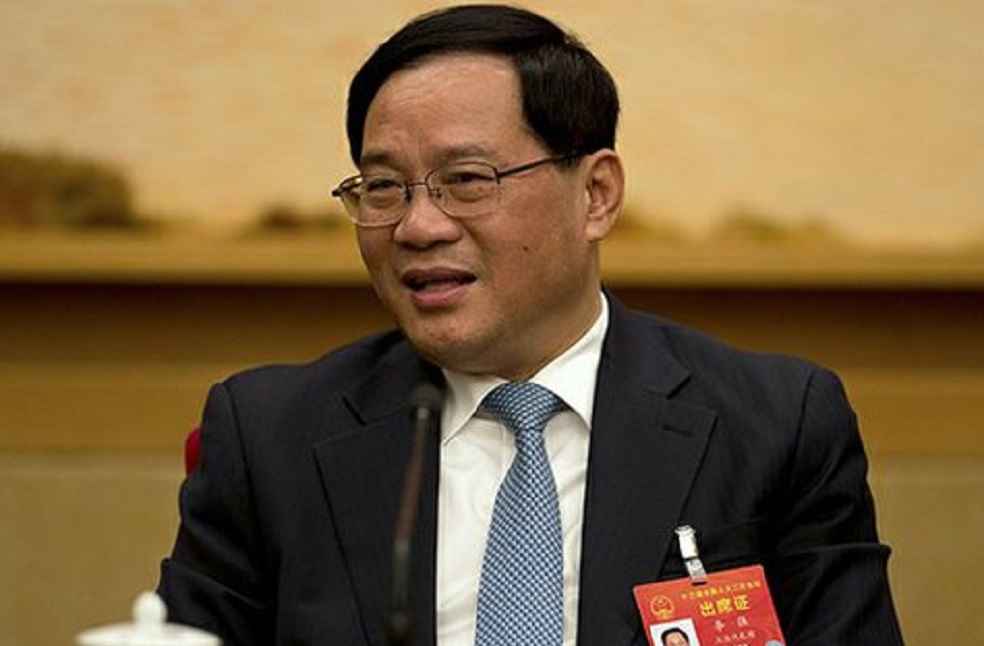
The move contrasts with the more conciliatory tone struck in June when Chinese Premier Li Qiang told Canadian Prime Minister Mark Carney that there were no deep-rooted conflicts between the countries. The Canadian government and its embassy in Beijing have yet to respond to the latest development.
In parallel, China has opened a yearlong anti-dumping probe into Canadian pea starch imports, which could be extended by six months. Canada, once dominant in China’s pea market, has seen its share fall sharply in recent years as Russia’s share surged to nearly half of imports.
Meanwhile, China and the U.S. have paused planned tariff hikes that threatened to raise rates to as high as 145% and 125% respectively, averting what analysts said would have amounted to a near-total trade embargo. Current tariffs remain at 30% for U.S. duties on Chinese goods and 10% for Chinese duties on U.S. goods.
TRADE WORLD | South Korea and Vietnam Target $150 Billion in Trade by 2030
