


China is set to intensify its trade growth by promoting high-quality advancement, deepening international cooperation, and fostering innovation during the upcoming 15th Five-Year Plan period (2026–2030), according to Commerce Minister Wang Wentao.
Speaking at a press conference in Beijing, Wang highlighted China’s achievements under the current 14th Five-Year Plan (2021–2025), noting the country’s sustained role as a leading global trading power. In 2024, China’s foreign trade volume reached $6.16 trillion, an increase of 32.4% from 2020, marking the eighth consecutive year that the nation held the top spot in global trade rankings.
Wang emphasized the resilience of Chinese exporters, who have adapted to global shifts by enhancing technological content in products, venturing into new markets, and embracing innovative business models. “Chinese exporters have shown remarkable resilience, actively adapting to changes and driving transformation,” he said.
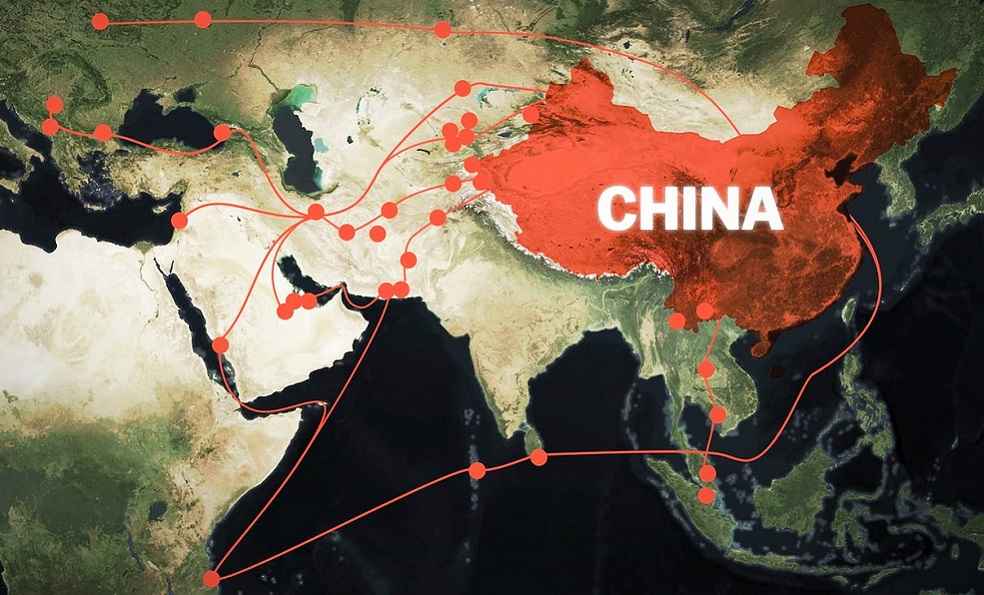
China’s production and supply chains, according to Wang, have become more complete, flexible, and efficient, providing a robust foundation for long-term trade stability despite ongoing external challenges. He also reaffirmed that any attempt to sever economic ties between China and the United States is bound to fail, stressing that the bilateral relationship continues to be grounded in mutual economic interests and enduring fundamentals.
China International Trade Representative and Vice-Minister of Commerce Li Chenggang noted that the global trading environment has faced increasing disruptions due to protectionism and unilateralism. In response, China has reaffirmed its support for multilateral trade frameworks and has been expanding its network of high-standard free trade agreements.
Li pointed to recent milestones such as the conclusion of Version 3.0 of the China-ASEAN Free Trade Area agreement. He added that China is integrating new areas like the digital and green economy into its trade pacts, reflecting its broader commitment to high-standard opening-up.
Foreign investment remains a cornerstone of China’s development strategy. By mid-2025, the country had utilized $708.73 billion in foreign investment during the 14th Five-Year Plan period, achieving its planned target six months ahead of schedule.
According to Vice-Minister of Commerce Ling Ji, foreign-invested enterprises have played a vital role in China’s economic landscape, accounting for one-third of its foreign trade, one-quarter of its industrial added value, and generating over 30 million jobs.
To attract global capital, Chinese authorities on Friday unveiled 12 policy measures aimed at encouraging foreign reinvestment. Jointly introduced by the National Development and Reform Commission and six other government agencies, the measures include flexible land use, tax incentives, financial support, streamlined processes, and enhanced services to support high-quality reinvestment projects by foreign firms.
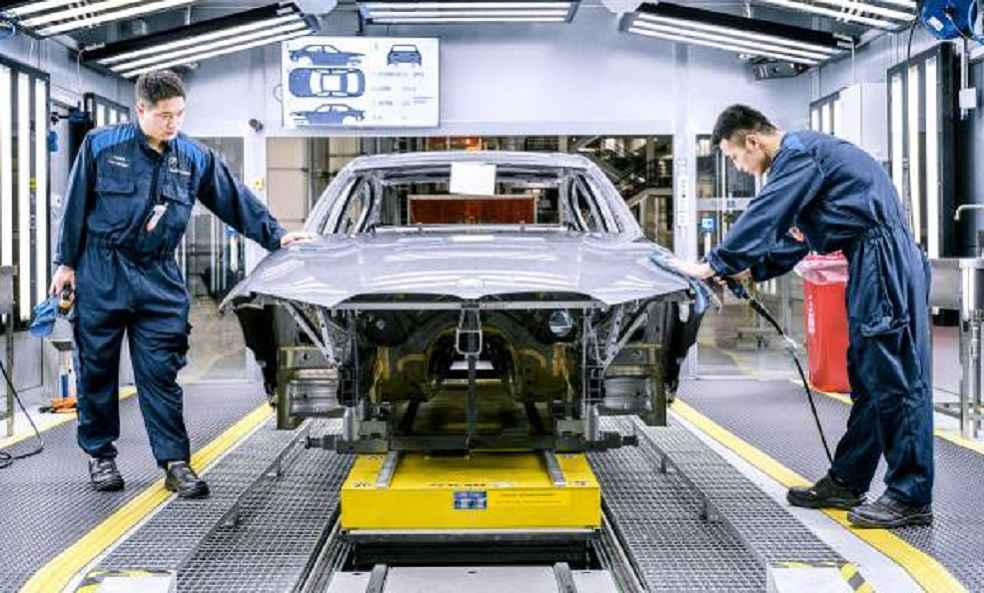
One such example is Jiangsu Mobis Automotive Parts, a subsidiary of South Korea’s Hyundai Mobis. Since joining the World Customs Organization’s Authorized Economic Operator (AEO) program in 2024, the Yancheng-based firm has crucially expanded its export reach in Japan and Southeast Asia.
“Since joining the program, we have expanded to become a global supplier of components to more automakers in Japan and Southeast Asia,” said Zheng Yinyin, a manager in the company’s foreign trade division.
Backed by local government support, the company recorded a 44.5% year-on-year increase in exports, reaching 430 million yuan ($60 million) between January and June 2024, according to Nanjing Customs.
ENERGY INDUSTRY | India Should Keep Buying Russian Crude Despite US Pressure: GTRI