


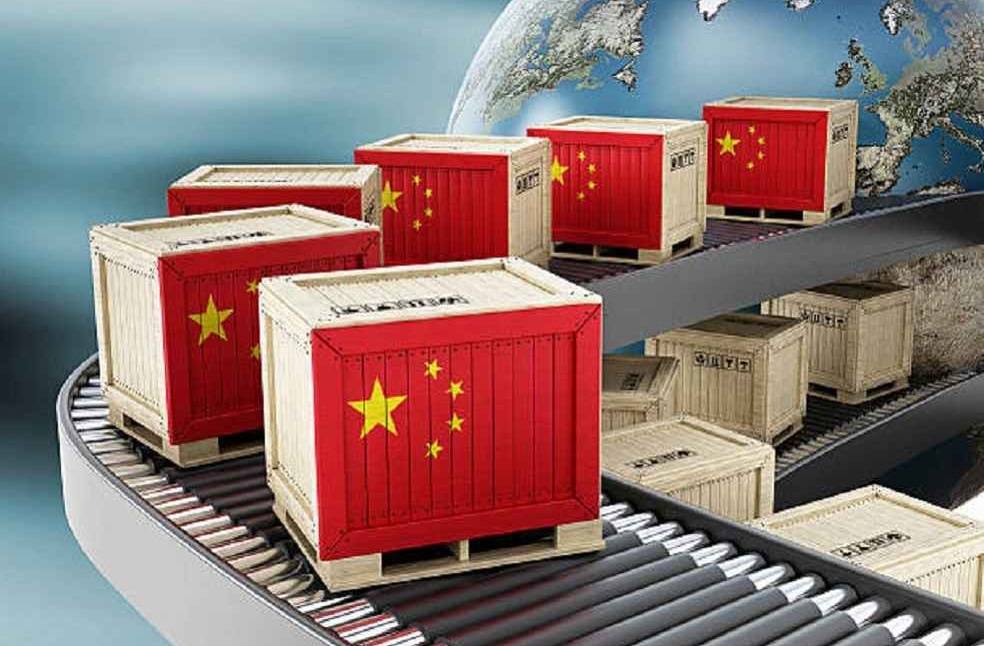
China has approved revisions to its Foreign Trade Law to strengthen Beijing’s ability to respond to trade disputes, tighten controls over outbound shipments of sensitive goods, and further open parts of its economy as global trade pressures intensify.
The revised law was passed on Saturday by China’s top legislative body and will take effect on March 1, 2026, according to Xinhua. The changes come as China seeks to reinforce its legal framework amid growing geopolitical tensions and efforts by major economies to reduce reliance on Chinese supply chains.
First adopted in 1994 and revised multiple times since China joined the World Trade Organization in 2001, the Foreign Trade Law provides authorities with tools to respond to restrictions imposed by trading partners. These include retaliatory measures and mechanisms such as ‘negative lists’ that define sectors open to foreign participation. The most recent revision before this was enacted in 2022.

According to Xinhua, the latest amendments add language stating that foreign trade should serve national economic and social development goals and support China’s ambition to become a ‘strong trading nation.’ The revision also expands and clarifies the country’s legal instruments for addressing external trade challenges.
The overhaul places new emphasis on digital trade, green trade, and intellectual property protection. These areas are seen as critical for aligning China’s rules with international standards, including those of the Comprehensive and Progressive Agreement for Trans-Pacific Partnership, which Beijing has expressed interest in joining as it seeks to diversify trade ties beyond the United States.
Trade diplomats say the updated language also reflects Beijing’s desire to reduce legal ambiguity, particularly as private firms become more active in challenging government decisions. Clearer wording is expected to help authorities justify actions such as restricting exports of strategic goods when facing potential lawsuits.
A Western trade diplomat, speaking on condition of anonymity, said Chinese ministries have grown more sensitive to private-sector criticism and legal scrutiny. He noted that while the government retains broad authority to halt shipments, it increasingly needs clearly defined legal grounds to do so.
The revisions come amid heightened international attention on Chinese exporters. In November, China’s private firms drew scrutiny after France moved to suspend the operations of Shein following controversy over certain products sold into the French market.
Together, the changes underscore China’s effort to strengthen its rule-based trade governance while preserving flexibility to defend its interests in an increasingly fragmented global trading system.
INSPIRING | South Korea Crosses $700B Export Milestone in Global Trade
