



China partially lifted its ban on seafood imports from most of Japan’s regions on Sunday, signaling a resolution to a longstanding disagreement over Japan’s disposal of treated nuclear wastewater. Beijing stated it will ‘conditionally resume’ seafood imports from Japan, excluding 10 of the country’s 47 prefectures, including Tokyo and Fukushima.
The decision brings an end to a nearly two-year suspension on seafood imports, which was imposed after Japan started discharging treated wastewater from the damaged Fukushima nuclear facility into the Pacific Ocean in 2023.
Chinese customs authorities, in a public notice, said that long-term international monitoring and China’s own independent sampling of the water discharge showed no signs of abnormalities.
China’s move appears to reflect an effort to strengthen ties with Japan amid ongoing trade tensions with the U.S.
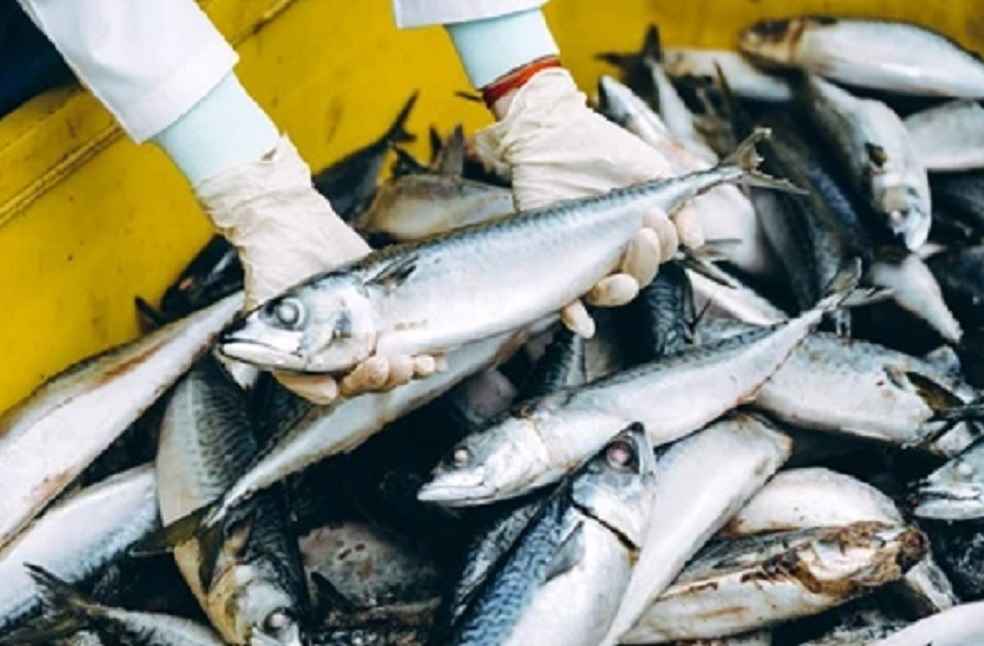
China and Japan remain major trade partners, but the relationship has grown increasingly strained in recent years due to escalating frictions over territorial disputes and rising defense expenditures.
According to Chinese authorities, imports must be accompanied by an official sanitary certificate issued by the Japanese government, along with documents confirming compliance with radioactive substance testing and proof of origin. Chinese customs emphasized that strict oversight of Japanese seafood imports will remain in place. It also cautioned that any non-compliance with China’s laws, regulations, or food safety standards or failures by Japanese authorities to uphold supervisory duties will prompt swift measures to safeguard public health.
Japan called China’s partial easing of the seafood import ban a ‘positive’ step and affirmed that the government will continue to encourage Beijing to allow imports from all Japanese regions.
IMEX SECTOR | Indonesia Eases Import Restrictions to Boost Local Industries