


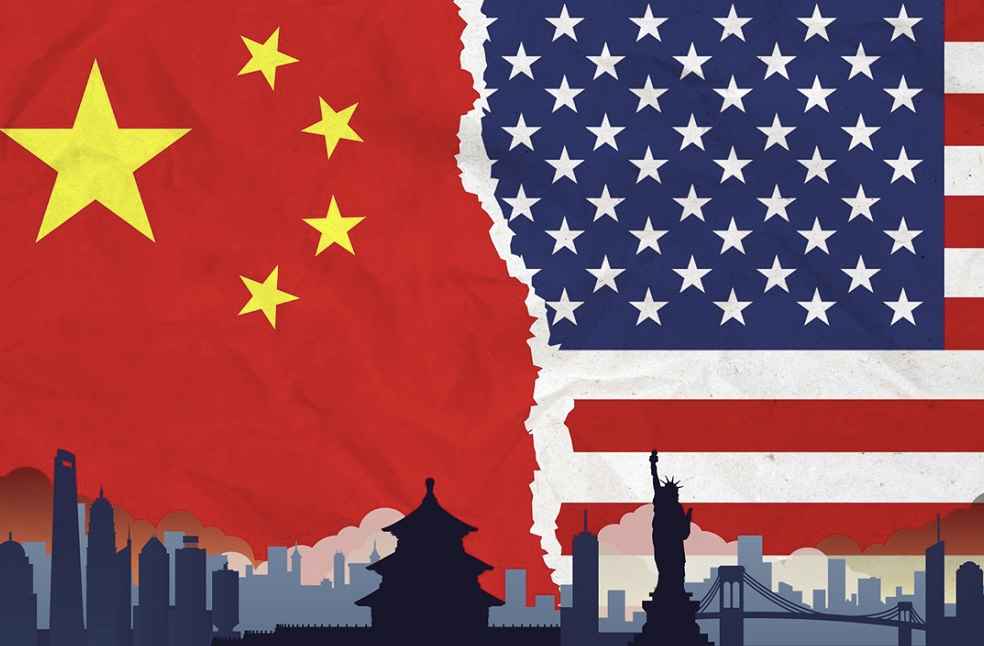
China has eased several restrictions on exporting critical minerals and rare earth materials to the United States, indicating that the trade relations between the two countries are improving.
China’s Ministry of Commerce declared on Friday that it will lift certain export controls on critical minerals used in military equipment, semiconductors, and other high-tech sectors for one year.
The export limits, first enacted on October 9, placed constraints on exporting specific rare earth minerals, lithium-based battery components, and related processing technologies to U.S.
The easing of these limits comes after discussions between U.S. President Donald Trump and Chinese President Xi Jinping in Busan, South Korea, on October 30.
China has also lifted its export restrictions on materials like gallium, germanium, antimony, and other super-hard substances, such as synthetic diamonds and boron nitrides. These measures, first introduced in December 2024, were widely viewed as retaliation for Washington’s tightened semiconductor export controls on China.
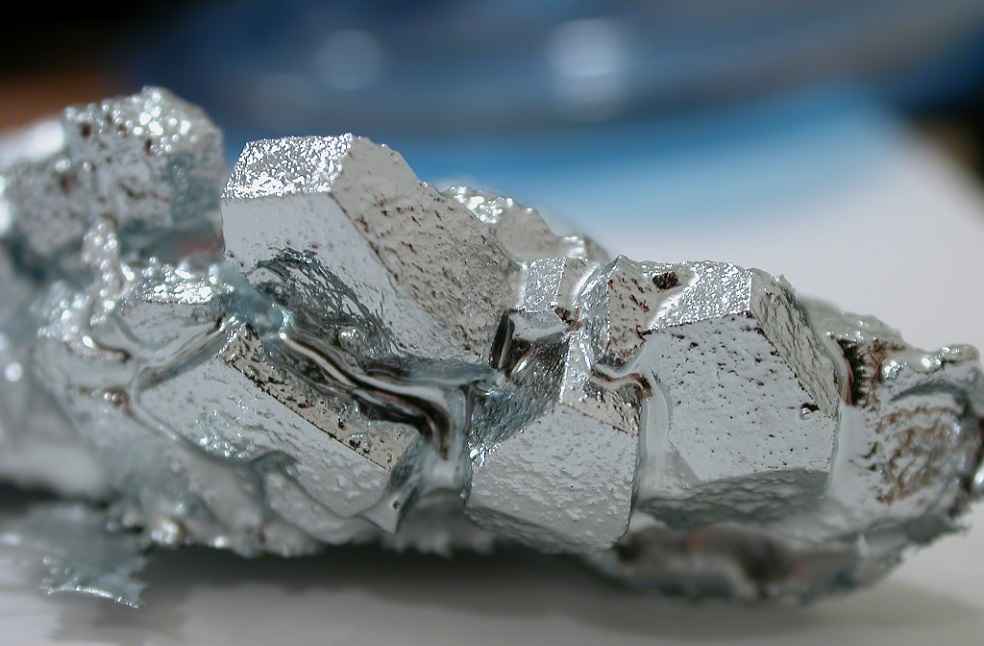
China designates these substances as ‘dual-use items,’ indicating their potential for both civilian and defense-related utilization. In addition to defense uses, these critical minerals are vital to the semiconductor industry and other high-tech sectors, which are central to U.S.-China trade disputes.
Furthermore, Beijing has lifted the more stringent end-user and end-use verification requirements for dual-use graphite exports to the United States, which had been implemented in December 2024 as part of a wider export ban.
China, a leading global producer of key critical minerals and rare earth elements, has increasingly leveraged its export controls as a strategic tool in trade conflicts.
Under the latest China-U.S. trade agreement, the U.S. has made several concessions, including cutting tariffs on Chinese imports by 10% and suspending the heightened ‘reciprocal tariffs’ until November 10, 2026. The U.S. will also delay a rule announced on September 29 that would have added majority-owned Chinese company subsidiaries to its entity list.
TEXTILE & APPAREL | Thailand, Kyoto Partner on ‘Thai Fabric Kimono’ to Promote Local Silk

