


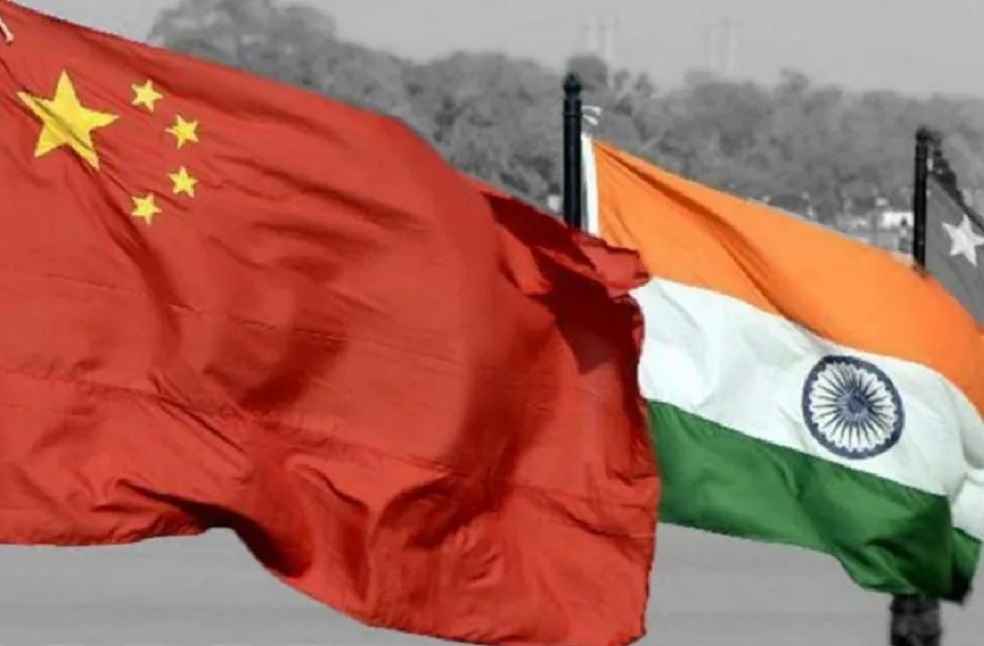
China has asked the World Trade Organization (WTO) to bring a case against India over New Delhi’s incentive schemes for automobiles, batteries, and electric vehicles, after bilateral consultations failed to resolve the matter.
In a communication to the WTO dated January 16, China said consultations were held with India on November 25, 2025, and January 6, 2026, in an effort to reach a mutually agreed solution, but the talks did not yield a settlement.
Beijing has now requested that the panel request be placed on the agenda of the next Dispute Settlement Body meeting scheduled for January 27 in Geneva.
The dispute stems from a complaint filed by China in October last year, alleging that certain conditions under India’s Production Linked Incentive (PLI) schemes for advanced chemistry cell batteries, automobiles, and the policy promoting electric vehicle manufacturing violate global trade rules by discriminating against Chinese goods.
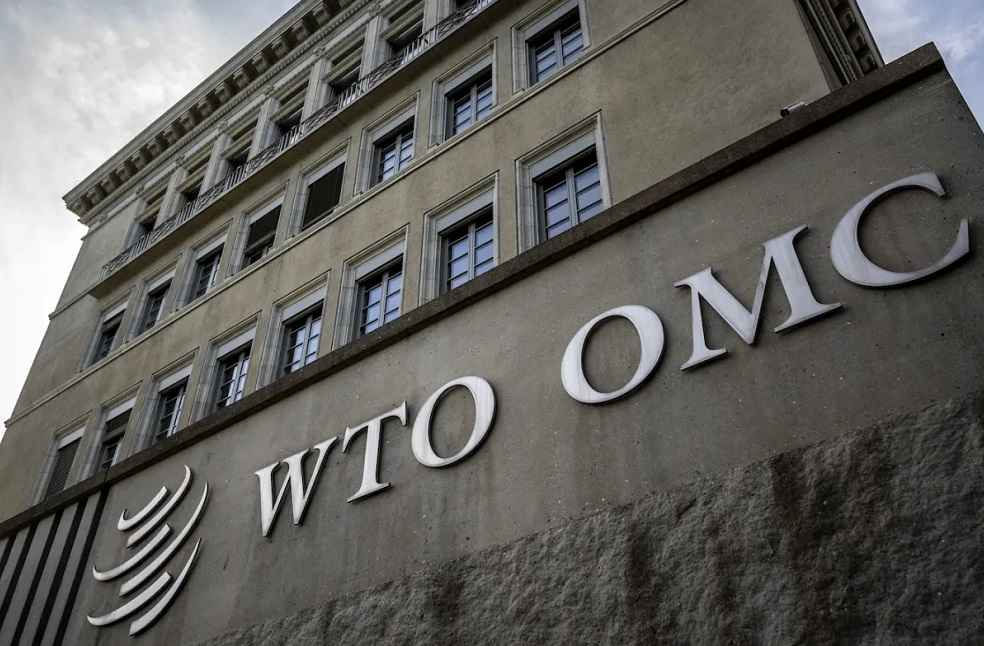
Under WTO procedures, seeking consultations is the first step in the dispute settlement process. If no satisfactory resolution is reached, the complainant may request the establishment of a panel to examine the case and rule on the issues raised.
China has argued that India’s measures are contingent on the use of domestic goods over imported products and discriminate against goods of Chinese origin.
According to the complaint, these measures appear inconsistent with India’s obligations under the Agreement on Subsidies and Countervailing Measures, the General Agreement on Tariffs and Trade 1994, and the Agreement on Trade-Related Investment Measures.
The complaint refers to multiple programs, including the Production Linked Incentive scheme, the National Program on Advanced Chemistry Cell Battery Storage, the PLI Scheme for the Automobile and Auto Component Industry, and the Scheme to Promote Manufacturing of Electric Passenger Cars in India.
Both India and China are members of the WTO, and member countries can invoke the dispute settlement mechanism if they believe another member’s support measures are harming their exports.
China is India’s second-largest trading partner. In the last fiscal year, India’s exports to China declined 14.5% to $14.25 billion from $16.66 billion in 2023–24, while imports rose 11.52% to $113.45 billion from $101.73 billion. India’s trade deficit with China widened to $99.2 billion in 2024–25.
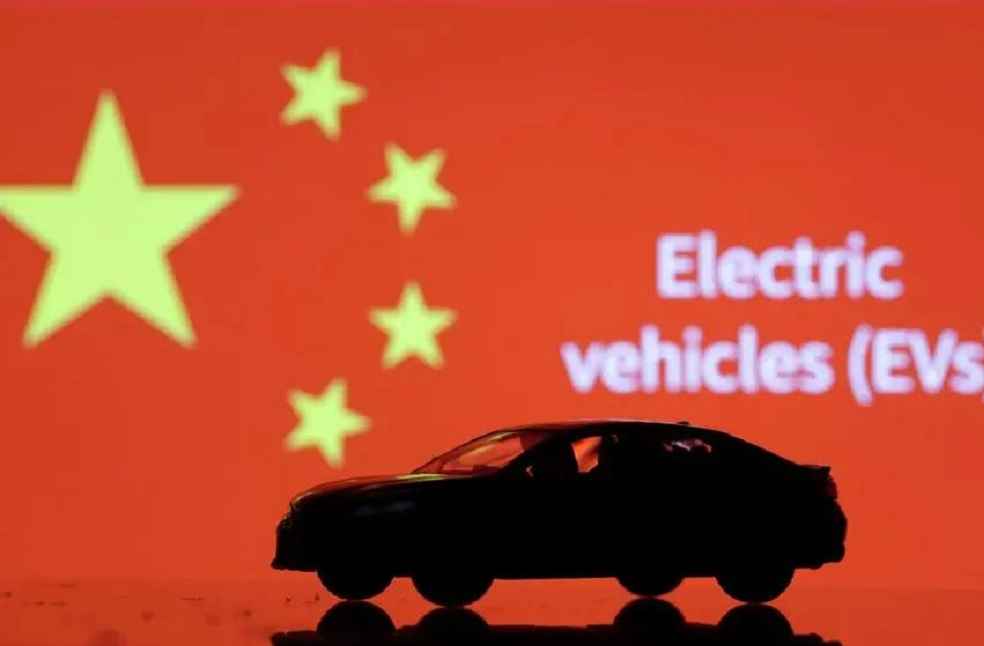
Beijing’s complaint comes as Chinese automakers seek to expand electric vehicle exports to overseas markets, including India, amid overcapacity, slowing domestic sales, and intense price competition at home.
Data from the China Passenger Car Association shows that more than 50 Chinese EV manufacturers exported a combined 2.01 million pure electric and plug-in hybrid vehicles in the first eight months of the year, up 51% year-on-year.
Chinese EV makers have faced resistance in some markets, including the European Union, which has imposed a 27% tariff on Chinese electric vehicles.
India has introduced several policy measures to promote domestic electric vehicle manufacturing, including incentive schemes and targeted industrial policies.
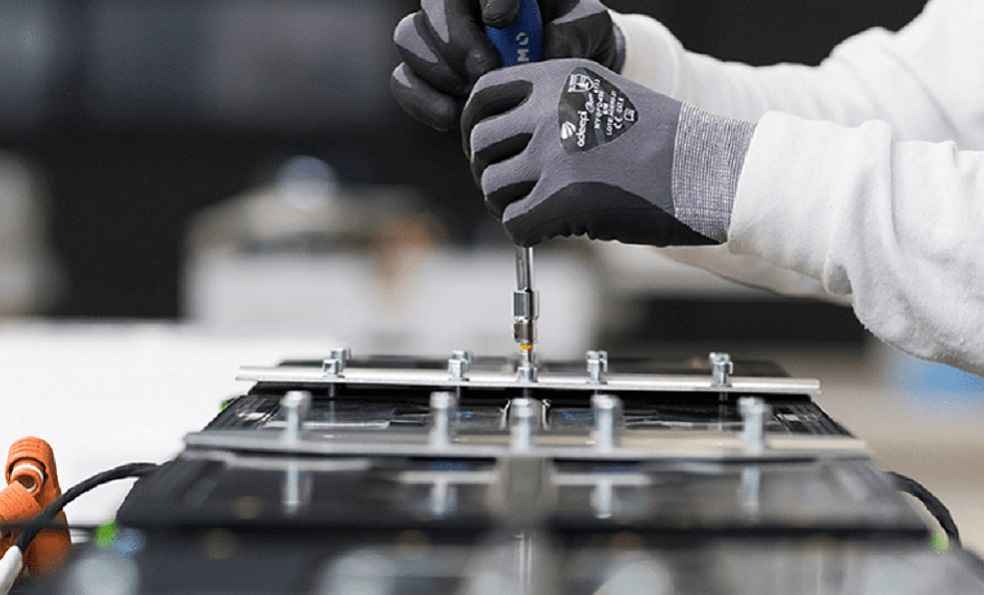
In May 2021, the government approved the PLI scheme under the National Program on Advanced Chemistry Cell Battery Storage with an outlay of Rs 18,100 crore to support 50 GWh of capacity over five years after a two-year gestation period, aimed at boosting domestic cell production and reducing import dependence.
In September 2021, the Center approved a PLI scheme for the automobile and auto components sector with a budgetary outlay of Rs 25,938 crore to support the domestic manufacturing of advanced automotive technology products and encourage fresh investment and job creation.
In March 2024, the government also approved a policy to attract global electric vehicle manufacturers and position India as a manufacturing hub for next-generation electric vehicles.
BUSINESS GENERAL | Mercosur–EU Trade Agreement Expands Brazil’s Global Market Access