


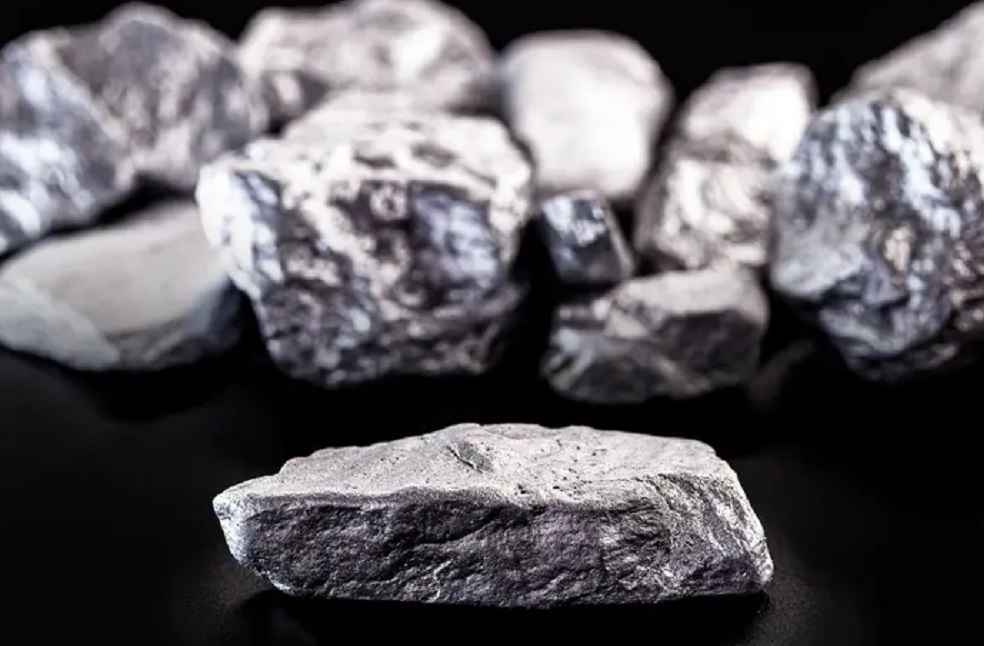
China has defended its latest export control measures on rare earths and related technologies, describing them as necessary steps to strengthen global supply-chain security and ensure lawful trade practices rather than restrict exports.
Government officials and analysts said on Sunday that the measures, which took effect last week, are designed to promote stability amid global conflicts and safeguard materials with significant military applications.
They stressed that as a responsible global power, China enforces export controls in accordance with international law to uphold peace and nonproliferation.
On Thursday, China imposed export restrictions on technologies linked to rare earths, superhard materials, rare earth equipment, and batteries.
The Ministry of Commerce later clarified that these are not outright bans and that export licenses will continue to be approved for eligible applications.
“China stands ready to work with international partners to strengthen dialogue and exchanges on export control to better safeguard the security and stability of global industrial and supply chains,” a ministry spokesperson said.
The ministry also urged the United States to handle differences through dialogue based on mutual respect and equality.
Echoing Beijing’s position, Jens Eskelund, president of the European Union Chamber of Commerce in China, said the chamber would cooperate with authorities to maintain communication with trade partners and facilitate continued exports to European firms.
According to China’s General Administration of Customs, the country exported 44,355 metric tons of rare earths in the first eight months of 2025, marking a 14.5% increase from a year earlier.
China remains the world’s largest processor of rare earths and a key supplier of advanced graphite.
Ding Rijia, an economics professor at the China University of Mining and Technology-Beijing, said the nation’s leading position gives it both “responsibility and incentive” to ensure that exports comply with international regulations.
Zhou Mi, a senior researcher at the Chinese Academy of International Trade and Economic Cooperation, said China’s export control system has helped reshape global trade patterns and enhance oversight.
“The export controls have indeed increased compliance pressure for some Western entities involved in the military sector, which could help reduce global military risks,” Zhou noted.
Rare earth elements, a group of 17 minerals, are critical for manufacturing a wide range of high-tech products, from smartphones and wind turbines to fighter jets and electric vehicles.
The new controls were announced shortly before the White House said it would impose a 100% tariff on Chinese imports and introduce export controls on critical U.S.-made software from November.
Beijing criticized the move, saying Washington’s tariff threats undermine bilateral dialogue.
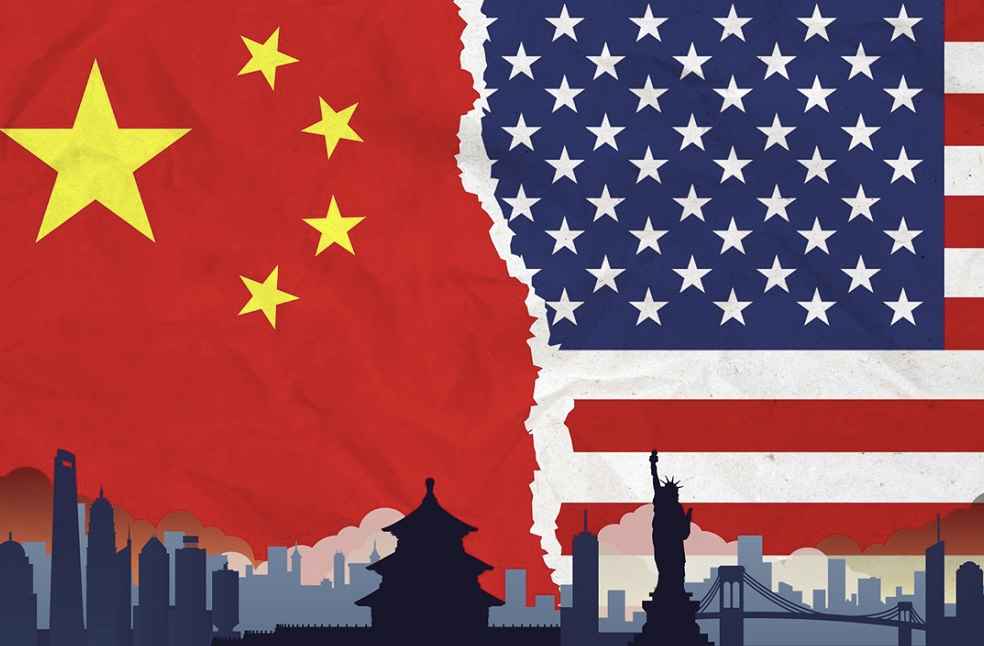
“Willful threats of high tariffs are not the right way to get along with China. Our position is consistent: we do not want a trade war, but we are not afraid of it,” the Ministry of Commerce stated.
Chen Wenling, former chief economist at the China Center for International Economic Exchanges, said Washington’s reliance on tariffs and restrictions highlights a lack of constructive economic strategy.
“With limited options, the U.S. has repeatedly turned to protectionist tools, despite their disruptive effects on both its own economy and global trade norms,” she said.
For manufacturers, the policy volatility is already taking a toll. Lu Minglang, chairman of Ningbo Merryart Glow-Tech in Zhejiang province, said uncertainty in U.S. policy has forced his company to divert resources away from research and development to deal with tariff swings and logistical hurdles.
“A healthier China-U.S. trade relationship would unshackle companies on both sides and accelerate cooperation,” he added.
POLICY & LAW | Vietnam Drafts New Decree to Tighten Temporary Import Controls