



China has halted imports of Japanese seafood again as diplomatic tensions escalate over the Japanese prime minister’s recent remarks on Taiwan. The move marks one of the sharpest downturns in China–Japan relations in years.
The suspension was first reported by Kyodo News and NHK. China’s foreign ministry appeared to confirm it, stating that there was “no market for Japanese seafood in the current climate”.
Japanese officials were reportedly informed that all seafood imports would be suspended, reversing part of the easing of China’s 2023 ban.
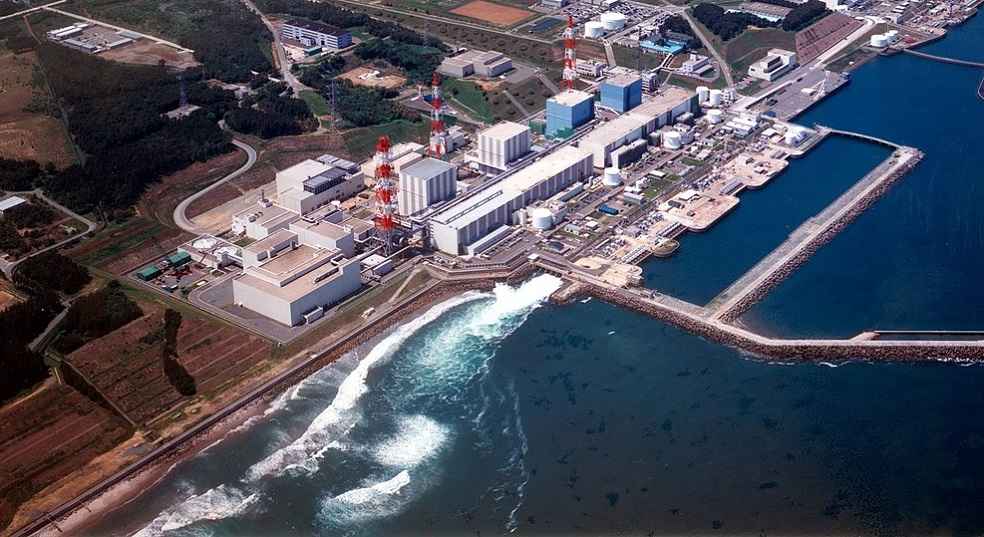
Beijing originally imposed restrictions in 2023 after Japan began releasing treated wastewater from the damaged Fukushima nuclear plant.
Chinese authorities said the latest suspension was tied to the need for further monitoring of water sources, but it has been widely interpreted as retaliation linked to the growing diplomatic dispute.
At a press briefing on Wednesday, Chinese foreign ministry spokesperson Mao Ning said Japan had “failed to provide the technical documentation it committed to”.
She added that Prime Minister Sanae Takaichi’s recent comments on Taiwan had intensified public anger in China. “There would be no market for Japanese seafood in the current climate even if Japan were able to export it to China,” she said.
Before the 2023 restrictions, China, including Hong Kong, bought over one-fifth of all Japanese seafood exports.
The dispute escalated after Takaichi told parliament that Japan could become militarily involved if China attacked Taiwan, citing the threat such a conflict would pose to Japan’s security.
China claims Taiwan as its territory and insists it will pursue what it calls “reunification”, including by force if necessary.

Takaichi’s remarks were made in response to questions about Japan’s 2015 ‘collective self-defence’ laws, which allow limited exemptions to its postwar ban on using force.
Beijing reacted angrily, demanding she retract her comments and accusing her of making a ‘military threat’ against China and attempting to revive Japan’s prewar militarism. Tokyo has said its defence policy has not changed. Takaichi has not withdrawn her remarks.
A senior Japanese foreign ministry official travelled to Beijing earlier this week for talks, but there was no sign of progress. China’s foreign ministry said Takaichi’s comments had ’caused fundamental damage’ to the political foundation of bilateral relations.
The seafood suspension comes alongside a broader wave of symbolic, rhetorical, and economic actions. Over the weekend, Chinese coastguard ships sailed through waters near the disputed Senkaku Islands.

Military drones flew past Japan’s westernmost territory, Yonaguni Island, which sits close to Taiwan’s east coast.
After Beijing issued a travel warning, nearly a dozen airlines began offering refunds, and an estimated 500,000 people cancelled trips to Japan.
Shares in Japanese retail and tourism companies dropped sharply. Chinese state-owned firms, including banks, reportedly advised employees not to travel to Japan.
Film releases and cultural events involving both countries have been cancelled. At a UN forum on Tuesday, China’s permanent representative Fu Cong said Japan was “totally unqualified” for a permanent seat on the UN Security Council, citing Takaichi’s remarks.
NEW LAUNCH | China Launches New Campaign to Expand Import Demand