


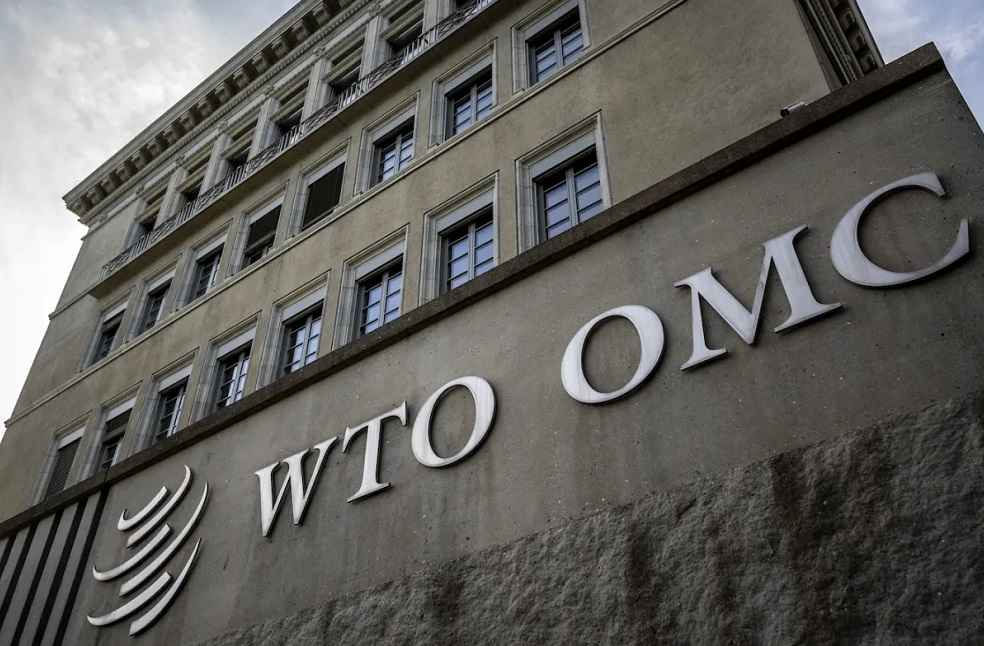
China has reaffirmed its support for the non-discrimination principle at the heart of the World Trade Organization (WTO). European Union risk undermining a rule long viewed as central to the global trading system, even as analysts say the provision is unlikely to disappear.
In a newly submitted position paper, Beijing described the most favored nation principle as the foundation of multilateral trade, arguing that equal treatment among member economies helps prevent discrimination and protects smaller markets from being sidelined.
The document marks China’s first major reform submission since the WTO began a formal self-review process in 2022, according to the Ministry of Commerce.
The debate follows calls from Washington and Brussels to reconsider how the rule operates in a changing geopolitical environment.
U.S. officials have argued that members should have greater flexibility to form targeted trade arrangements that do not necessarily extend to all WTO members, citing concerns over market practices, security risks, and persistent trade imbalances.
The European Union has taken a more measured stance but has urged reflection on whether the principle adequately addresses modern supply chain vulnerabilities.
Chinese officials warned that weakening the rule could erode the rules-based trading system and create conditions where powerful economies dominate global commerce.
Liang Yan, an economics professor at Willamette University, said the dispute reflects broader tensions between China’s preference for equal treatment and Western efforts to preserve policy space for strategic trade measures linked to de-risking strategies.

The debate comes as China’s record $1.19 trillion trade surplus in 2025 has intensified scrutiny from the United States and the EU, both of which have increased regulatory actions and anti-subsidy investigations targeting Chinese industries.
Despite the sharp divisions, analysts expect the core principle to survive. Alan Wolff, a senior fellow at the Peterson Institute for International Economics and former WTO deputy director general, warned that abandoning non-discrimination could destabilize global trade by encouraging retaliatory policies and fragmenting markets.
With the WTO’s top decision-making body set to discuss reform proposals at an upcoming meeting in March, observers say the likely outcome will involve new exceptions or adjustments rather than a full overhaul, reflecting the challenge of balancing geopolitical competition with the need to preserve predictable global trade rules.
POLICY & LAW | India Unveils Seven Measures to Support Exporters and MSMEs
