


The Chinese government has instructed local tech firms to temporarily pause orders for Nvidia’s H200 AI chips while regulators finalize approval terms.
The move comes as China considers whether—and under what conditions—to allow imports of the advanced processors, weighing the demand for high-end AI hardware against its broader goal of semiconductor self-sufficiency.
Reports indicate that Beijing is concerned Chinese firms might rush to stockpile U.S. chips before a final decision is reached. The pause appears intended to curb a last-minute surge in purchases ahead of Beijing’s final ruling. According to Reuters, regulators are still determining how many domestically produced chips companies would be required to buy alongside each H200 order.
Bloomberg also reported that China may authorize limited H200 imports as early as this quarter for specific commercial uses, suggesting access could come with conditions rather than a complete ban.
China is also expected to encourage purchases of locally produced AI chips in addition to any foreign processors they acquire.
Earlier this week, Nvidia CEO Jensen Huang noted that demand for the H200 chip in China remains strong. The company is interpreting purchase orders as implicit approval, rather than waiting for an official statement from Beijing. Reuters also reported that Nvidia has imposed unusually strict supply conditions for China, requiring Chinese customers to pay the full amount upfront for H200 orders, which cannot be canceled, refunded, or modified once placed.
Beijing’s stance highlights a broader tension in its technology policy. Chinese firms have placed orders for more than 2 million H200 chips, priced at about $27,000 each—far exceeding Nvidia’s current supply of roughly 700,000 units. The H200 offers nearly six times the performance of the now-restricted H20 and outperforms domestic competitors such as Huawei’s Ascend 910C.
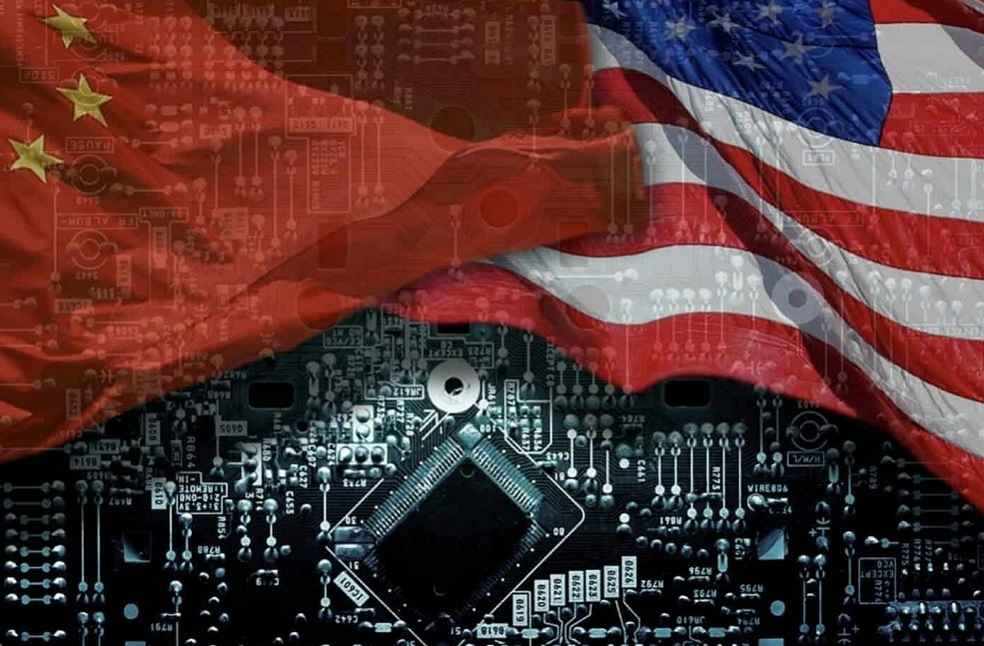
At the same time, China is preparing up to $70 billion in incentives to support its domestic chip industry, reinforcing its goal of reducing dependence on foreign suppliers.
The Trump administration authorized Nvidia to export H200 chips to China last year, under the condition that Nvidia pay a 25% revenue-sharing tax to the U.S. government. Officials also stressed that the country is not permitting exports of its most advanced chips to China.
The Trump administration authorized Nvidia to export H200 chips to China last year, provided the company pays a 25% revenue-sharing tax to the U.S. government, while restricting exports of its most advanced chips to China.
AUTOMOTIVE WORLD | Pakistan Cabinet Approves Revised Used Vehicle Import Policy