


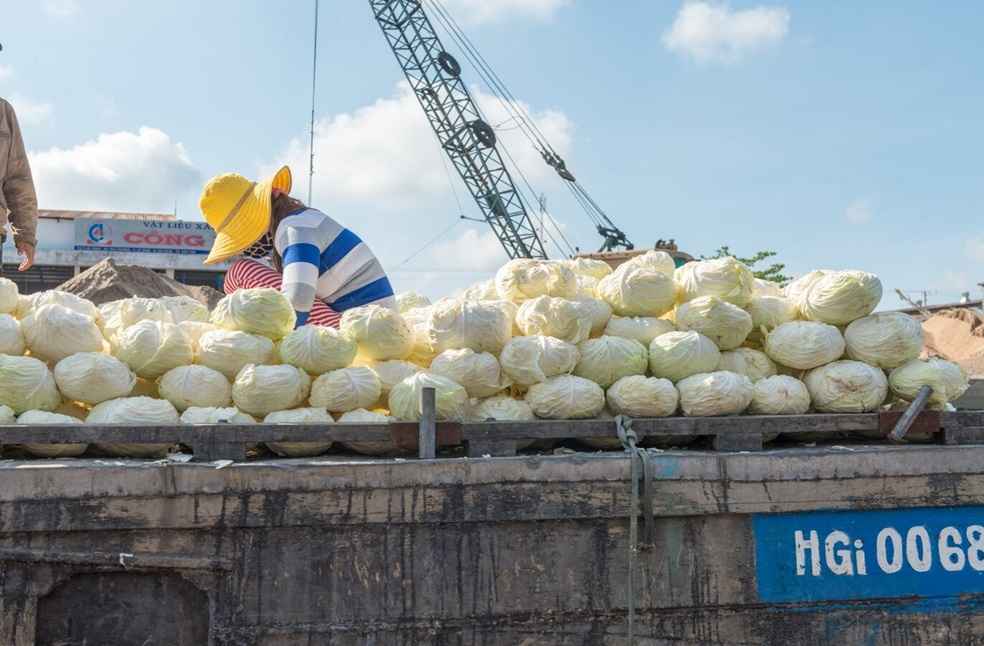
Agricultural trade between ASEAN countries and China is gaining pace, highlighted by two major breakthroughs over the weekend. Laos sent its first full-train shipment of cassava starch to China on Saturday, while China received its first approved batch of frozen durians from Indonesia on the same day.
According to Xinhua News Agency, a train carrying 1,000 tons of cassava starch departed Vientiane via the China-Laos Railway and is expected to reach Zhengzhou in about 80 hours. This is the first time Laos has exported a full trainload of cassava starch to China.
The shipment was produced entirely by a local Lao factory and organized by China Railway Container Transport, which manages China-Europe freight trains. The company offered full logistics support, including planning, loading, pick-up, and delivery, documentation, real-time tracking, and emergency response.
Lao-China Railway, which operates the Laos section of the route, said the railway has consistently provided high-quality container resources and reliable transport capacity for Lao agricultural shipments since operations began.
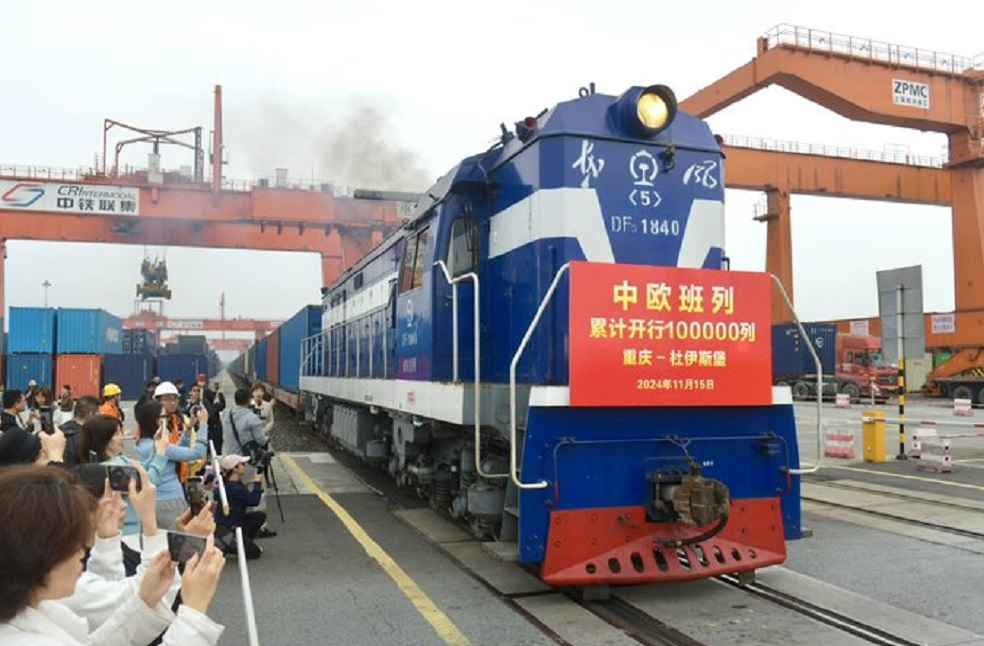
The company has handled more than 16 million tons of cargo to date, including over 1.7 million tons of agricultural products exported to China.
Also on Saturday, the first batch of frozen durians approved for import from Indonesia arrived in Fuzhou, Fujian Province, aboard flight MF856 from Jakarta. The Fuzhou government said this marks the first time frozen Indonesian durians have entered the Chinese market, adding another milestone in China-Indonesia agricultural cooperation.
Zheng Miaoqian of Rongcheng Customs in Fuzhou said the arrival of the first shipment is expected to attract more enterprises to participate in the China-Indonesia ‘Two Countries, Twin Parks’ initiative. Zheng noted that the initiative will support deep-processing industries, strengthen tropical fruit supply chains, and boost the upgrading of bilateral trade.
Commenting on the developments, Zhou Shixin, director of the Center of Southeast Asia Studies at the Shanghai Institutes for International Studies, said the examples from Laos and Indonesia show how agricultural cooperation between China and ASEAN is accelerating.
Data from China’s General Administration of Customs shows that agricultural and food trade between China and ASEAN reached 51.3 billion dollars in the first ten months of the year, an 8.9% rise year-on-year.
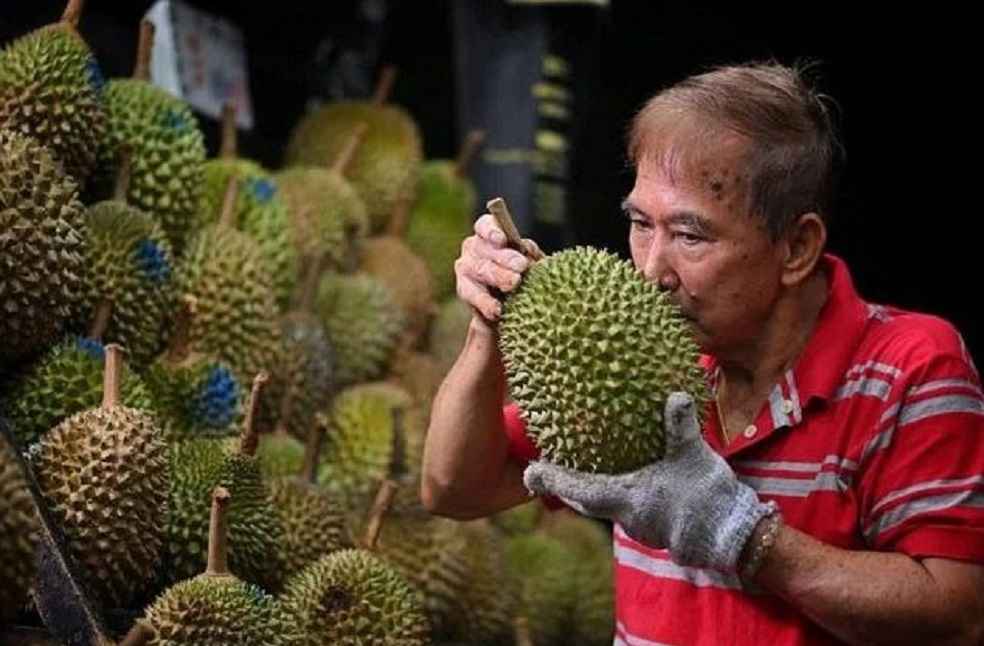
China’s imports of fresh and dried fruits and nuts from ASEAN exceeded 10 billion dollars, accounting for more than two-thirds of its global imports in this category, according to the People’s Daily Overseas Edition.
ASEAN has been China’s largest trading partner for agricultural and food products for eight consecutive years. It has also remained China’s top export market and second-largest import source in this sector.
Zhou said the China-ASEAN Free Trade Area, improved infrastructure, and sustained demand are driving growth in trade, particularly in tropical fruits and specialty food products. He added that ASEAN countries gain a stable and sizeable market, while Chinese consumers benefit from greater choice and better prices.
The China-ASEAN Free Trade Area (CAFTA) 3.0 Upgrade Protocol, signed in Kuala Lumpur in October, is expected to further boost trade. Key provisions include improved food supply chain connectivity, simplified customs procedures, and mutual recognition of sanitary and phytosanitary standards.
Zhou also described the China-Laos Railway as a “golden corridor” that is transforming agricultural trade between China and ASEAN. He said ongoing improvements in cold-chain logistics and warehousing along the route offer ASEAN exporters a more efficient and cost-effective land transport option.
He noted that China’s cooperation with ASEAN remains anchored in mutual benefit, consultation, and a predictable open-market framework. Alongside expanded market access, China is increasing technology investment in ASEAN, strengthening collaboration in the digital economy, artificial intelligence, and new energy.
Zhou said the integration of technology, capital, and markets is helping both sides inject stronger momentum into the regional economy as global competition intensifies.
LOGISTICS INDUSTRY | PM Calls for Faster Green, Digital Shift in Vietnam’s Logistics Sector