


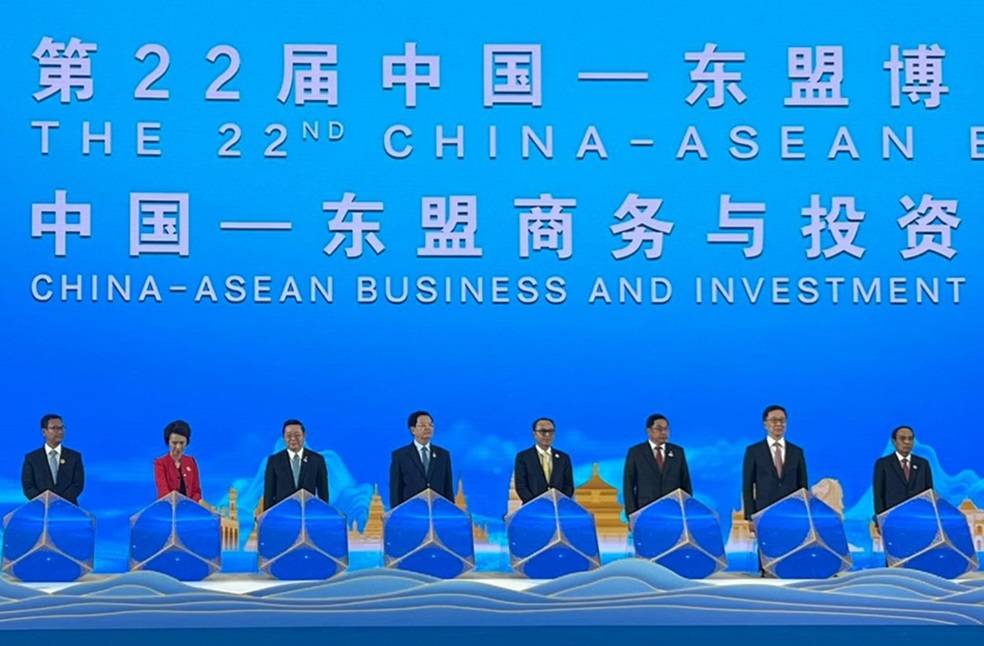
China and ASEAN officially launched an upgraded version of their free trade agreement—Version 3.0 China-ASEAN Free Trade Area (CAFTA)—on Wednesday in Nanning, southern China. This upgraded, institutional, and rule-based framework aims to strengthen regional collaboration in key sectors such as the digital economy, green development, and supply chain integration.
Unlike previous versions that focused mainly on lowering tariffs and boosting service investments, Version 3.0 extends the framework to include the digital economy, green development, supply chain integration, and alignment of standards and conformity assessments—signaling a strategic shift toward future-focused collaboration.
“The Version 3.0 CAFTA creates a number of opportunities. Firstly, it highlights greater openness, mainly in areas like digital economy, green economy, and service trade. Secondly, the standards are more compatible, which will help facilitate trade, investment, and commodity inspection between China and ASEAN countries,” said Chai Haitao, vice president of the China Council for International Investment Promotion.
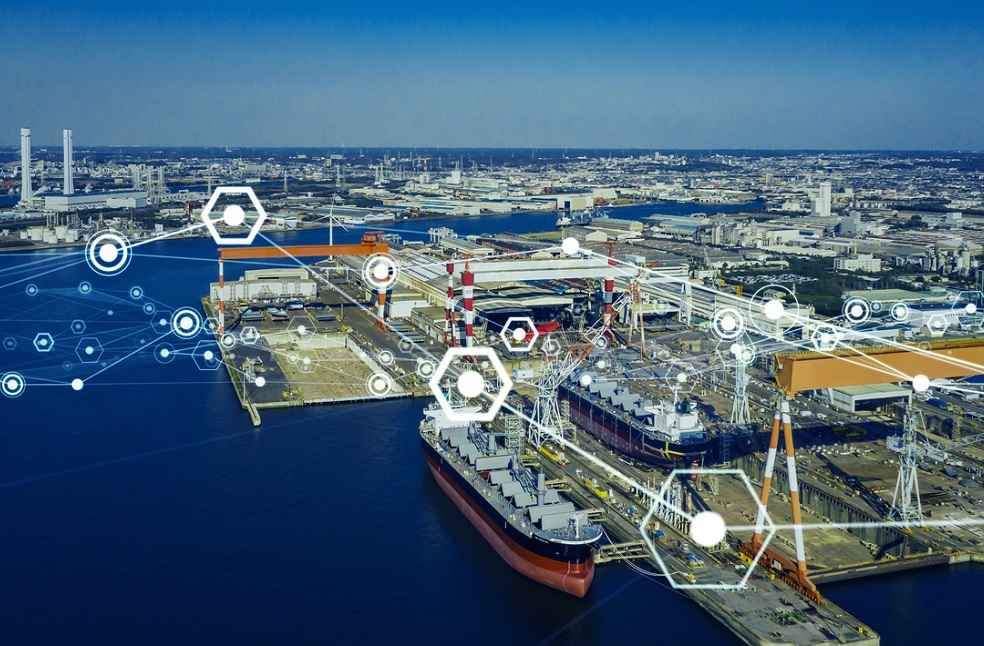
The vision highlights artificial intelligence as a rising catalyst for enhancing regional economic and trade collaboration. It calls for faster integration of AI into industrial processes, especially in areas like cross-border e-commerce, intelligent agriculture, and sustainable energy.
According to data from the General Administration of Customs (GAC), China and ASEAN have remained each other’s top trading partners for five consecutive years, with ASEAN holding the title as China’s leading partner in agricultural trade for eight years.
Kao Kim Hourn, Secretary-General of ASEAN, stated that the agreement would enhance ASEAN-China economic relations, with bilateral trade expected to hit $1 trillion.
He emphasized energy collaboration—such as ASEAN’s $7 billion cross-border power grid—and electric vehicle manufacturing as priority sectors, drawing on China’s technological strengths.
China’s trade with ASEAN reached a record high in the first eight months of 2025, climbing 9.7% year-on-year to 4.93 trillion yuan.
BUSINESS GENERAL | Canada and Mexico Sign Strategic Pact to Strengthen Ties

