


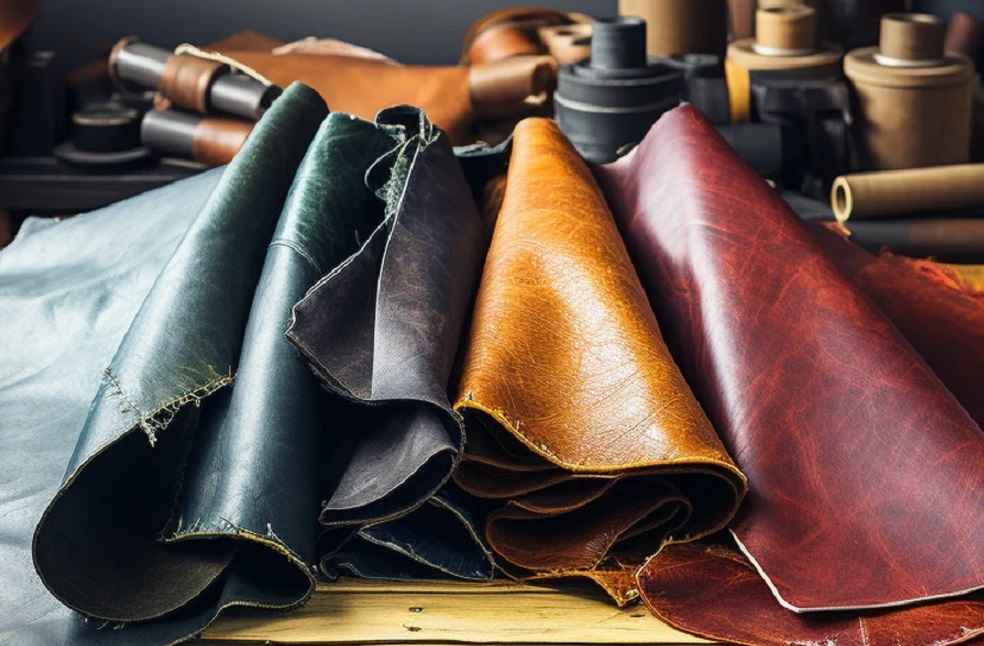
India’s leather and footwear exports to the UK are projected to almost double from $494 million in 2024 to $1 billion over the next three years, following the recent signing of a Comprehensive Economic and Trade Agreement (CETA), according to India’s Commerce and Industry Minister Piyush Goyal.
On Monday, during an industry interaction on the FTA with the leather, footwear, and textiles sector in New Delhi, the minister emphasized that the agreement removes import duties ranging from 2% to 8% on leather goods, 4.5% on leather footwear, and 11.9% on non-leather footwear.
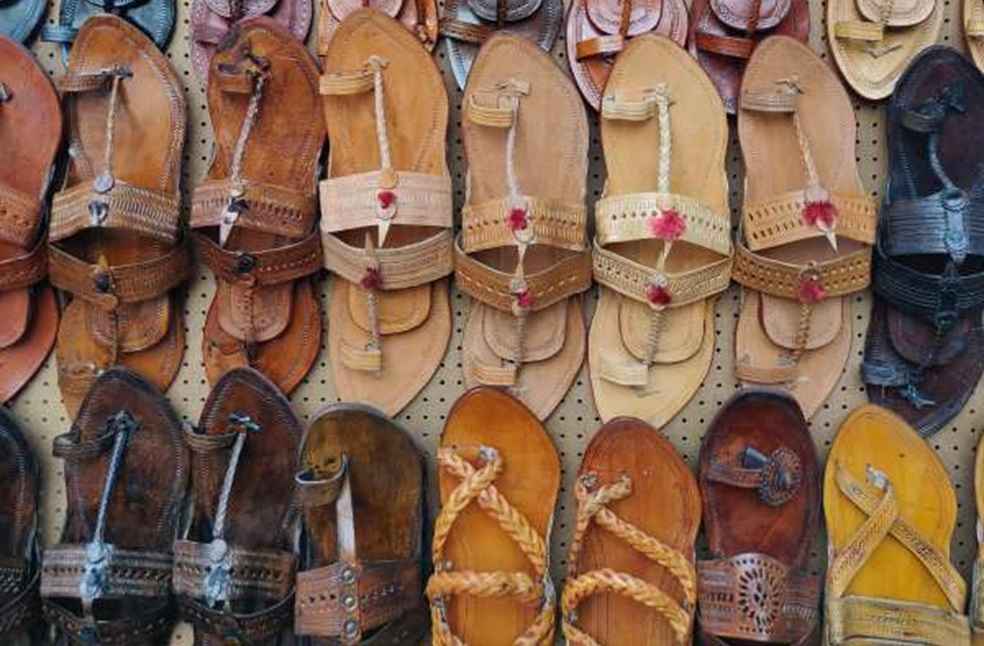
He affirmed that the agreement streamlines customs procedures, aligns technical standards, and protects Indian Geographical Indications (GIs) such as Kolhapuri footwear and Mojari, boosting the visibility of Indian products in the UK’s leather and footwear market.
Goyal highlighted that major manufacturing centers across India are poised to gain substantially from the CETA, with rising demand expected to create thousands of new employment opportunities, especially for MSMEs, artisans, women-led businesses, and youth-driven ventures.
The India-UK CETA helps Indian exporters compete more effectively with rivals such as Bangladesh, Cambodia, and Vietnam, who previously benefited from preferential access to the UK market. By enabling duty-free entry, the agreement boosts the pricing advantage and international presence of Indian manufacturers, particularly in premium leather and fashion segments in the UK.
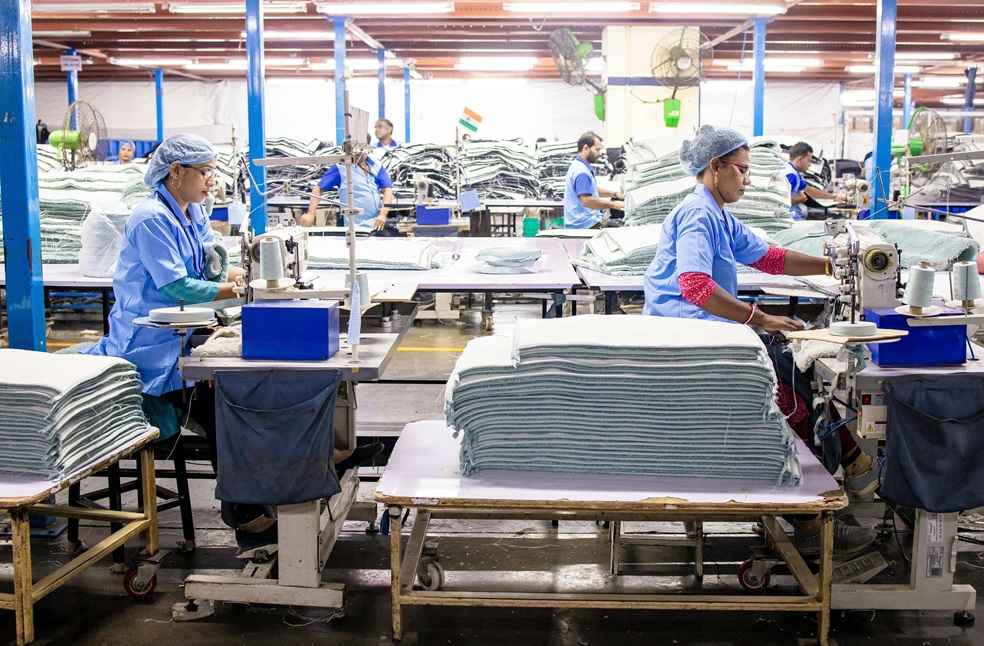
Additionally, the CETA grants duty-free access to Indian textile and clothing products, eliminating up to 12% tariffs. It will boost exports across key segments, including ready-made garments, home textiles, carpets, and handicrafts. Major manufacturing hubs such as Tirupur, Jaipur, Surat, Ludhiana, Panipat, Bhadohi, and Moradabad are set to benefit significantly from this enhanced market opportunity.
AUTOMOTIVE WORLD | EU Carmakers Hit as U.S. Tariff Deal Brings Mixed Impact

