



Canadian Prime Minister Mark Carney on Thursday highlighted a series of new trade and security agreements aimed at diversifying Canada’s international partnerships, while saying he expects the United States to respect Canadian sovereignty amid ongoing bilateral tensions.
Carney outlined the agreements during a meeting with provincial and territorial leaders, describing the past six months as a period of renewed momentum for the country. He said Canada had concluded 12 new economic and security accords and urged governments at all levels to capitalize on what he called a rare moment of national unity and ambition.
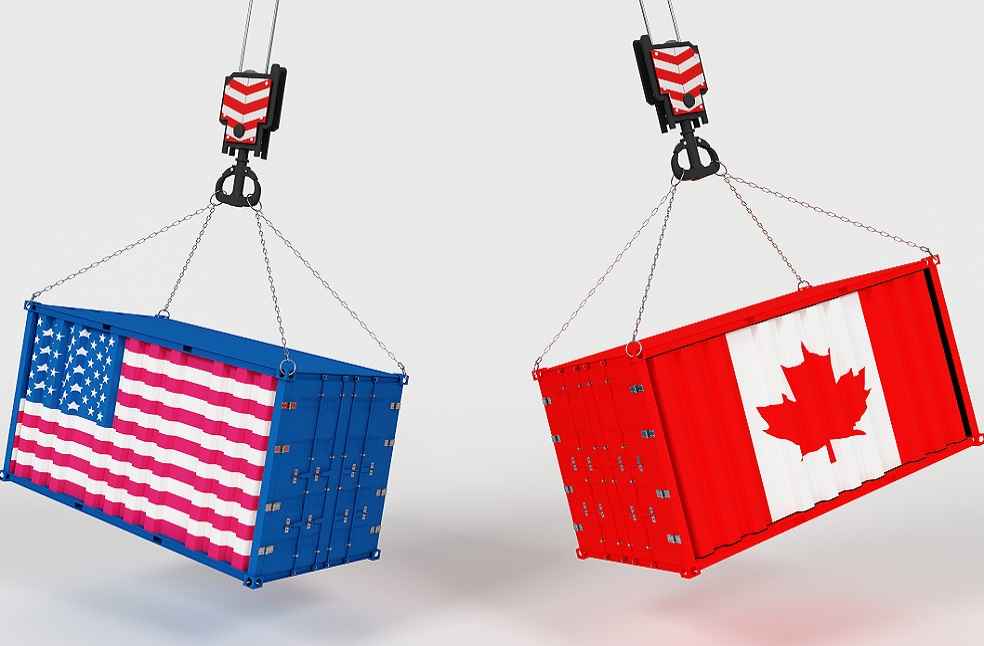
The remarks come against the backdrop of strained relations with the administration of U.S. President Donald Trump, which has previously floated the idea of Canada becoming a “51st state”. Tensions intensified after Canada reached an agreement with China to reduce certain trade levies, prompting Trump last week to threaten a 100% tariff on Canadian goods.

Carney rejected suggestions that the agreement signalled a broader free-trade push with Beijing, responding to U.S. claims that Canada could become a conduit for Chinese exports. He said the deal was narrowly focused and stressed its economic value, particularly for agriculture.
According to Carney, the agreement would open more than $7 billion in export opportunities for Canadian farmers, ranchers, fish harvesters, and workers, offering tangible benefits without compromising national trade policy or security interests.
Carney said Ottawa plans to deepen commercial ties with major global markets, including India, the Association of Southeast Asian Nations, and the South American trade bloc Mercosur. He also confirmed that Canada intends to engage the United States in a joint review of the Canada-United States-Mexico Agreement later this year, ahead of its scheduled expiry in July.
Carney’s push for diversification follows a high-profile speech delivered last week at the World Economic Forum in Davos, where he warned that the post-war ‘rules-based’ international order was eroding, giving way to a more confrontational era defined by power rivalries. He argued that trade and legal norms were often applied unevenly and called on so-called middle powers to cooperate more closely in response.
The address was widely interpreted as a critique of Washington’s recent trade and foreign policy posture. Trump later withdrew Carney’s invitation to join a U.S. advisory body known as the Board of Peace, a move the Canadian leader has publicly dismissed, standing by his comments and rejecting claims that he softened his position in private discussions with U.S. officials.
On Thursday, Carney was also asked about reports that U.S. officials had met with groups advocating for the independence of Alberta, Canada’s oil-rich western province. The Financial Times reported that U.S. State Department representatives had held multiple meetings with the Alberta Prosperity Project, which supports a referendum on secession.
“We expect the U.S. administration to respect Canadian sovereignty,” Carney said, adding that he had consistently conveyed that position in his conversations with President Trump.
IMEX SECTOR | South Sumatra Certifies Robusta Coffee Export to Australia