


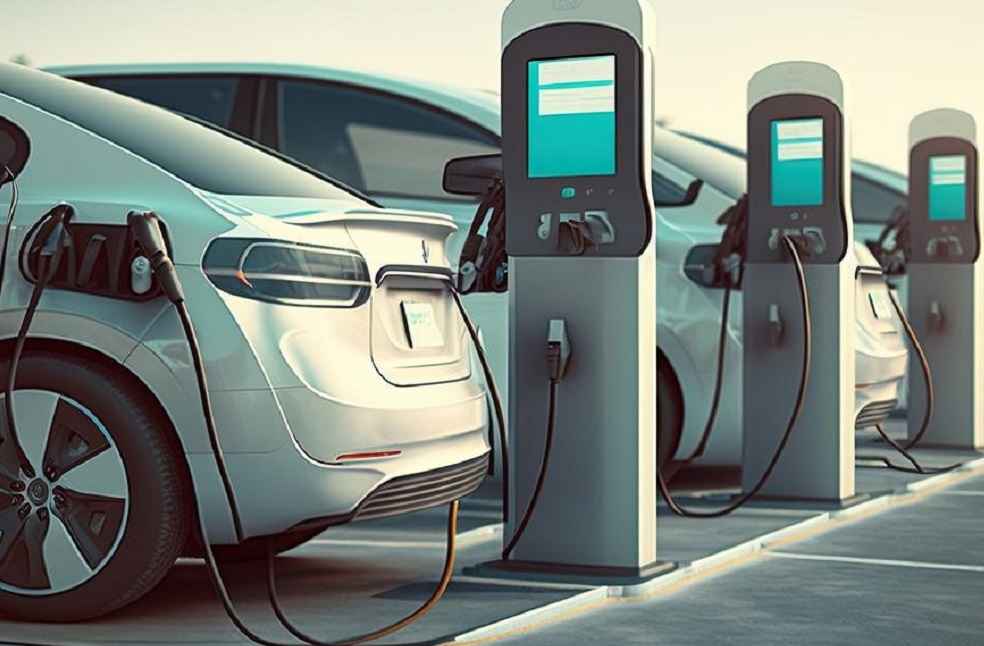
Canada has agreed to reduce its 100% tariff on Chinese EVs (Electric Vehicles) in exchange for lower Chinese tariffs on key Canadian agricultural exports, marking a clear departure from its previous alignment with the United States on trade policy, Prime Minister Mark Carney said on Friday.
Carney announced the deal after two days of meetings with Chinese leaders in Beijing. Under the agreement, Chinese electric vehicle exports to Canada will initially be capped at 49,000 units annually, rising to about 70,000 vehicles over the next five years.
In return, China will cut its total tariff on Canadian canola seeds from 84% to around 15%, significantly improving access for one of Canada’s largest farm exports.
Carney said China has become a more predictable partner than the United States, citing difficulties in securing tariff relief from President Donald Trump. He noted that U.S. tariffs continue to pressure several Canadian industries, while Washington has offered limited progress in negotiations.

The prime minister described his meetings in China as historic and productive. Earlier on Friday, he and President Xi Jinping pledged to work toward improving bilateral relations after years of strained ties. Xi said discussions aimed at restoring cooperation began following their first meeting in October on the sidelines of a regional economic conference in South Korea.
Carney told Xi that stronger China-Canada relations could help stabilize a global governance system, which he said is under strain, as traditional multilateral trade frameworks face growing pressure. He later said that the global system may increasingly give way to regional and bilateral agreements rather than the post-World War II multilateral model.
Canada had previously matched the United States by imposing 100% tariffs on Chinese electric vehicles and 25% tariffs on steel and aluminium under former prime minister Justin Trudeau.
China retaliated with steep duties on Canadian canola oil and meal, pork, seafood, and canola seeds, effectively closing the Chinese market to Canadian canola. Chinese trade data show China’s imports from Canada fell 10.4% last year to $41.7 billion.
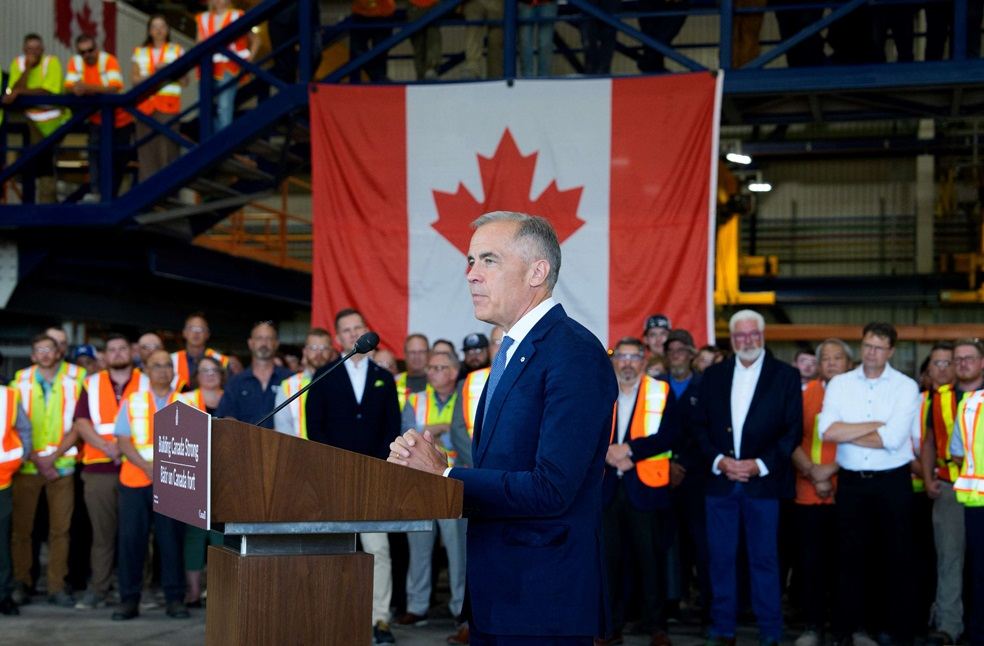
Carney sought to address concerns from Canadian automakers and labor groups by noting that the initial import cap represents about 3% of the roughly 1.8 million vehicles sold annually in Canada.
He said China is also expected to begin investing in the Canadian auto industry within three years. More than half of Chinese electric vehicles sold in Canada are expected to be priced below 35,000 Canadian dollars within five years, making them more accessible to consumers.
He said the agreement would support affordability for Canadians while helping build future-oriented automotive manufacturing through international partnerships. Carney added that Canada is trading a small share of its domestic market for long-term investment commitments and industrial development.
China, meanwhile, is seen as seeking to leverage trade tensions between the United States and its allies to encourage a less U.S.-aligned foreign policy stance. Carney said Canada’s relationship with the United States remains deeper and more complex, and acknowledged ongoing differences with China on issues such as human rights, which limit the scope of cooperation.
Carney, the first Canadian prime minister to visit China in eight years, is scheduled to travel to Qatar next before attending the World Economic Forum in Switzerland, where he will meet business leaders and investors to promote trade and investment.
ORGANIZATIONS NEWS | IMF Says Global Economy Resilient Despite Trade Shocks