


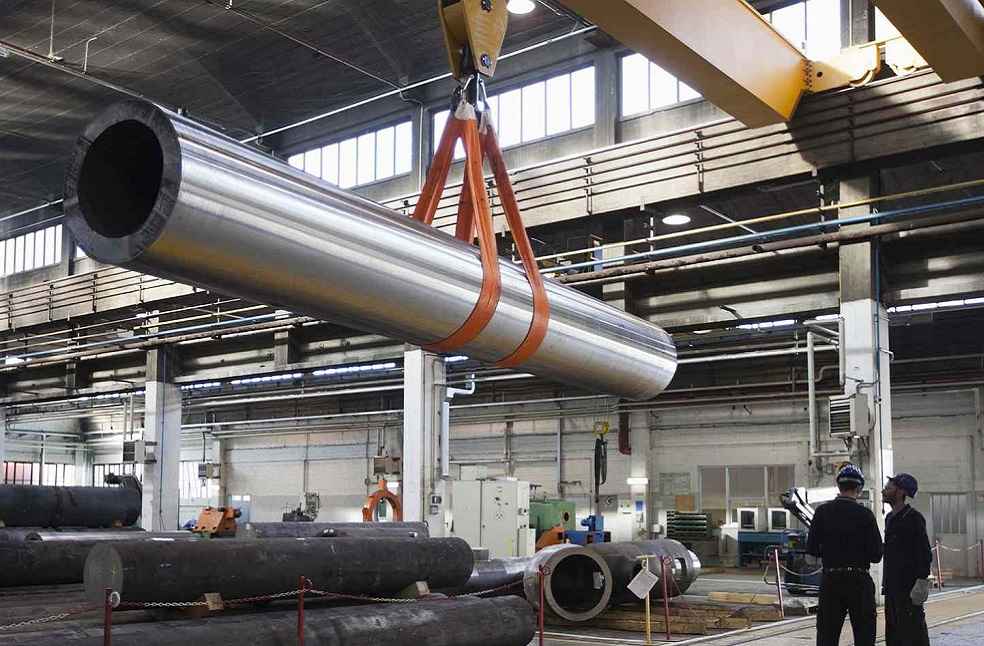
Canada has moved to tighten tariff barriers to shield its domestic steel sector from the fallout of the ongoing trade dispute with the United States. The shift will affect some Korean steel shipments, even though Korea is a Free Trade Agreement (FTA) partner.
As multiple regions adopt stronger protectionist measures to counter global oversupply, Korea’s steel export conditions continue to deteriorate. The U.S. currently applies a 50% tariff on steel imports, and the European Union is considering steel Tariff Rate Quotas (TRQs), adding further strain to exporters.
According to Reuters and other reports on November 26, Canadian Prime Minister Mark Carney announced new domestic steel protection measures centered on lowering the thresholds for TRQ application.
A TRQ exempts or applies low tariffs to import volumes below a set reference level while imposing steep tariffs once that level is exceeded. Lower thresholds mean smaller duty-free quotas and higher barriers for exporters.
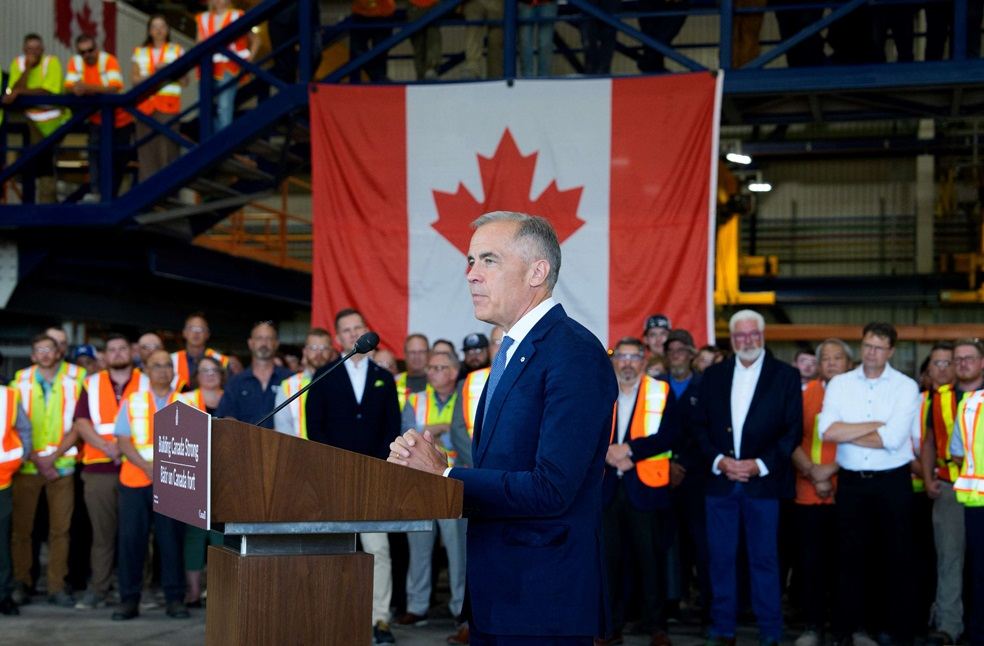
Canada introduced TRQs in June last year based on 2024 import volumes, setting the quota at 50% for non-FTA countries and 100% for FTA partners such as Korea. Any volume above these thresholds has been subject to a 50% tariff.
Under the new adjustments, Canada is reducing the quota standard for non-FTA countries such as China from 50% to 20%. For FTA partners, including Korea, the quota is being cut from 100% to 75%.
The policy, which until now mainly targeted non-FTA sources, is now expanding to include FTA countries. As a result, Korean steel exceeding 75% of last year’s export volume will be hit with a 50% tariff. Products that previously entered duty-free under the Korea–Canada FTA will no longer be exempt.
Korea exported around 620,000 tons of steel worth 780 million dollars to Canada last year, making Canada Korea’s fourteenth-largest export market by volume, according to the Korea International Trade Association.
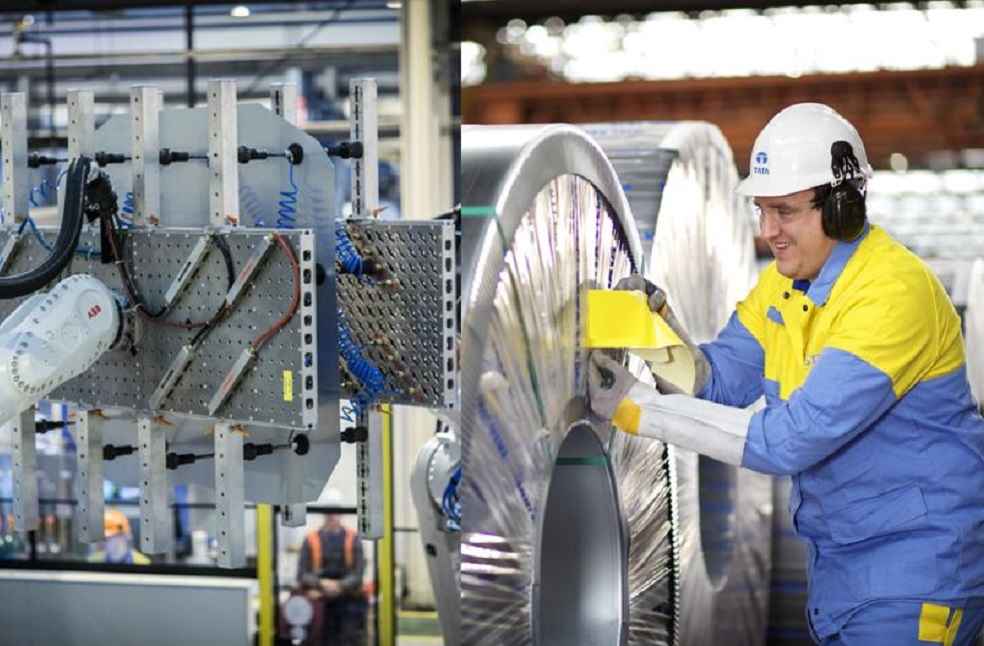
Canada also announced the introduction of a 25% global tariff on steel-related products such as wind tower structures, prefabricated buildings, fasteners, and electrical wire.
Prime Minister Carney did not clarify whether any exemptions will apply, raising the possibility that Korean exports in these categories may be affected despite the FTA.
These measures come as Canada’s steel industry struggles with the prolonged U.S. trade conflict. The U.S. currently levies a 50% tariff on all imported steel, and Canada maintains a 25% retaliatory tariff on U.S. steel products.
Canada remains the largest steel supplier to the U.S. market. According to the U.S. Department of Commerce’s International Trade Administration, Canadian steel exports to the U.S. were worth 7.14 billion dollars last year, accounting for 23% of total U.S. steel imports.
TRADE WORLD | NINAS Attains Global Recognition, Boosting Nigeria’s Export Potential
