


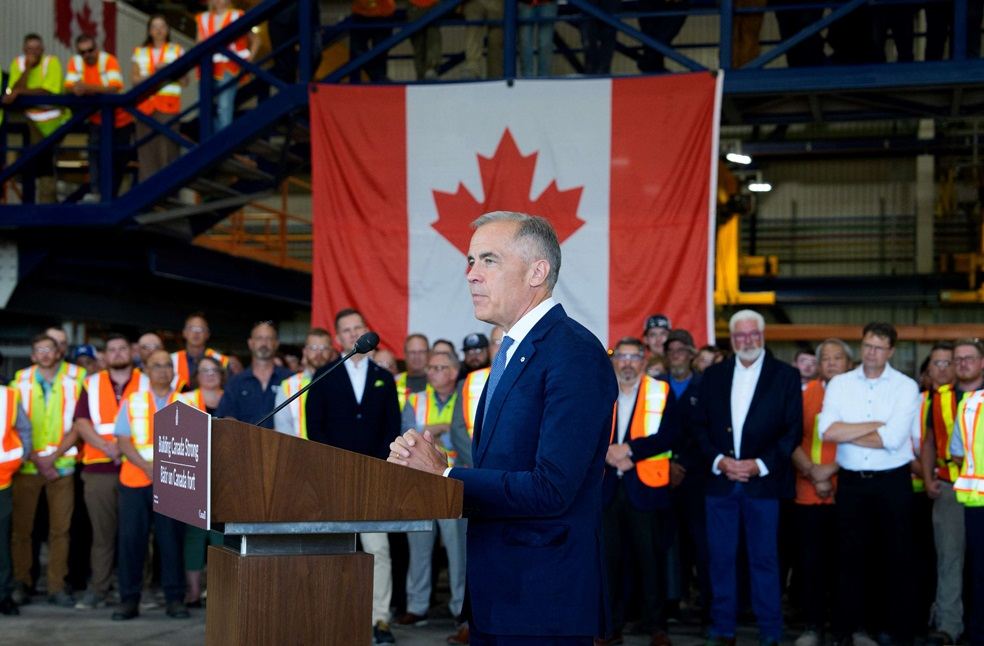
Canada and Mexico have signed a comprehensive strategic partnership aimed at strengthening economic and security cooperation as both countries prepare for what is expected to be a challenging renegotiation of their trilateral trade agreement with the United States.
The pact was signed in Mexico City on Thursday by Canadian Prime Minister Mark Carney and Mexican President Claudia Sheinbaum. It includes plans to develop key infrastructure such as ports, rail, and energy corridors, while also tackling crime, supporting environmental protection, and boosting bilateral trade.
“Today, we’re beginning a new era of elevated co-operation with a comprehensive strategic partnership,” Carney said at a joint press conference. Both leaders stressed that the agreement is designed to complement, not replace, the Canada-United States-Mexico Agreement (CUSMA).
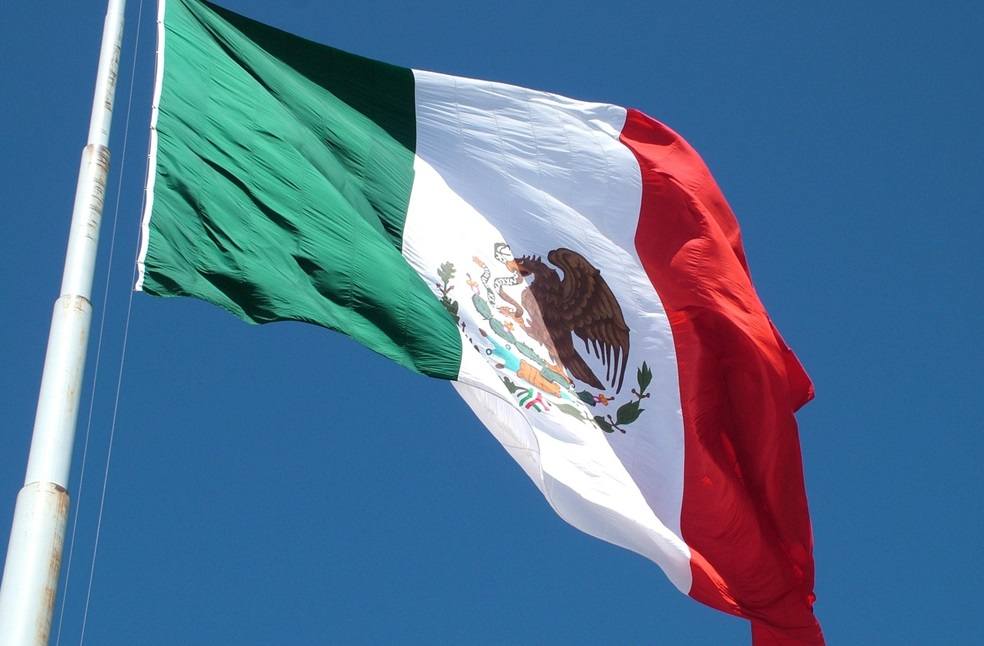
Carney expressed confidence that ongoing reviews of CUSMA would reinforce the strength of North America’s economies. Sheinbaum, speaking in Spanish, said she remained convinced that the trilateral trade pact was the best framework for all three nations.
As part of the new partnership, Canada’s Minister of Agriculture and Agri-Food Heath MacDonald will visit Mexico next month to explore opportunities in agricultural trade, followed by a Canadian trade mission led by U.S. Trade Minister Dominic LeBlanc to advance investment prospects. The agreement also provides $9.9 million for United Nations-led initiatives to combat drugs and assist with migrant integration.
The Canadian Chamber of Commerce welcomed the announcement, calling it an “integral step” in unlocking untapped trade potential. “As Canada diversifies its trade, Mexico should be at the top of the list, and businesses on both sides are ready to move,” said Catherine Fortin-LeFaivre, the Chamber’s senior vice-president of international policy. The Chamber announced it will lead a business delegation to Mexico in February 2026.

Sheinbaum highlighted her priorities of expanding ocean trade routes and maintaining short-term work visas between the two countries, adding that both governments agreed to keep visas in place and enhance cooperation between labor ministries. She also called for Canadian mining companies operating in Mexico to improve compliance with environmental regulations.
Analysts note that Canada and Mexico have often seen each other as competitors rather than partners, particularly in securing U.S. market access, with the automotive sector being a central point of contention. U.S. President Donald Trump’s administration has applied tariffs on both countries in an effort to draw more manufacturing back to the United States.
Despite these challenges, Ottawa pointed to strong trade ties, citing nearly $56 billion in two-way merchandise trade in 2024 and $46.4 billion in Canadian direct investment in Mexico. Sheinbaum, meanwhile, is navigating a balancing act with China, having imposed tariffs on Chinese cars and other products under U.S. pressure, though without immediate reciprocal benefits from Washington.

North American leaders have not convened a summit since January 2023 in Mexico City. Canada was due to host in 2024, but elections in the U.S. and Mexico and domestic political turmoil in Ottawa delayed the event. Asked whether a new meeting is being planned, Sheinbaum said discussions would follow the trade agreement review.
Carney noted that Canada and Mexico maintain “very open lines of communication” with Washington and expressed confidence that all three leaders would reconvene during the FIFA World Cup in 2026, which the countries will co-host. To that end, the leaders also announced that Canada’s secretary of state, Adam van Koeverden, will serve as the country’s FIFA representative, working with U.S. and Mexican counterparts to prepare for the tournament.
GLOBAL ROUNDUP | Türkiye and Kyrgyzstan Sign New Economic Protocol to Boost Trade