



Brazil’s beef exports to China surged by 38.3% in September 2025, reaching 187,340 tons, according to the Brazilian Meat Exporters Association (Abrafrigo). The rise comes as Beijing shifts agricultural imports away from the United States amid heightened trade tensions with Washington.
Total Brazilian beef exports hit a record 373,867 tons, valued at $1.92 billion, a 49% year-on-year increase in revenue and a 17% rise in total volume.
China’s growing appetite for Brazilian beef has helped offset reduced U.S. demand following former U.S. President Donald Trump’s 50% tariff on Brazilian goods, including meat products. Beijing, meanwhile, has reinforced its political and economic partnership with Brasília, signalling confidence in Brazil’s stability and long-term development.

In a recent phone call, Chinese Foreign Minister Wang Yi assured Brazil’s chief presidential advisor, Celso Amorim, of China’s support against what he described as U.S. ‘bullying practices,’ calling the tariffs violations of international law and WTO principles.
He pledged deeper bilateral cooperation to help Brazil withstand external economic pressures.
President Luiz Inácio Lula da Silva responded by vowing to defend Brazil’s trade interests through international institutions and praised China as a reliable partner.
The two nations’ growing coordination reflects a broader BRICS strategy to strengthen economic sovereignty and counter Western-dominated trade structures.
Brazil’s export diversification has also expanded beyond Asia. The European Union is now the country’s second-largest beef market after China, with exports to the bloc rising 106% in September, led by Italy, the Netherlands, and Spain.
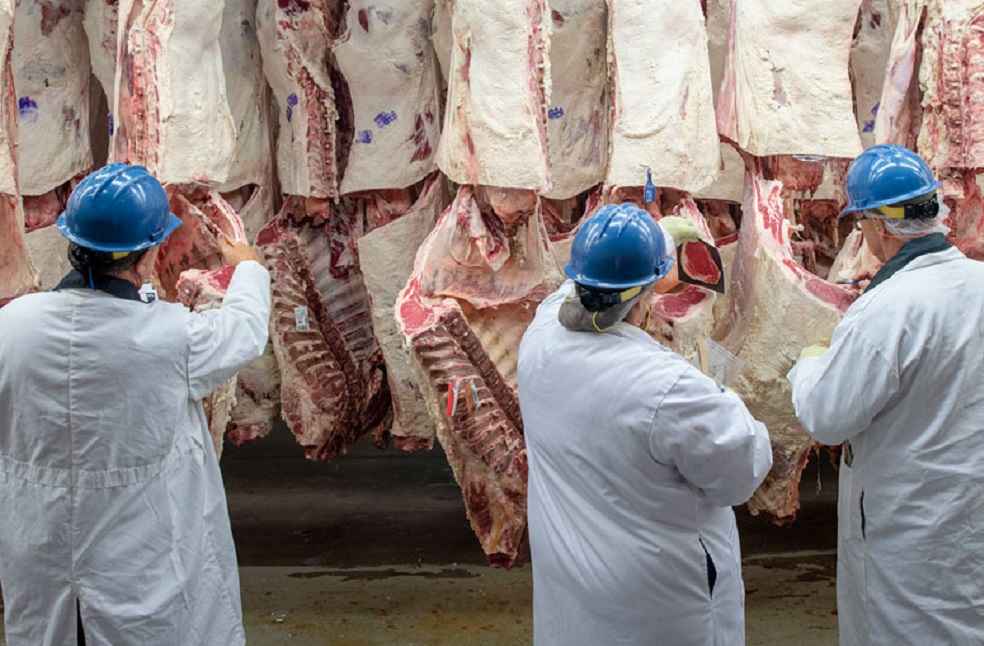
Similar export gains in soybeans and other commodities indicate Brazil’s adaptability in the face of global trade realignment caused by U.S. protectionist policies.
Beyond agriculture, Brazil and China are expanding cooperation in finance and infrastructure. The China Development Bank and Brazil’s state-owned BNDES have reopened credit lines to support agribusiness, logistics, and port modernization projects aimed at streamlining export routes.
These joint investments in cold-chain systems and transport corridors form part of a shared vision to strengthen South-South trade resilience and reduce dependence on Western financing.
Within the BRICS framework, the Brazil–China partnership is increasingly seen as a model for building balanced, multipolar economic relations.
By linking trade, finance, and diplomacy, both nations are reinforcing a new global order where emerging economies play a greater role in shaping sustainable and equitable development.
AEROSPACE AND DEFENCE | UK Investigates Aircraft Purchase from Russia Over Sanctions Breach