


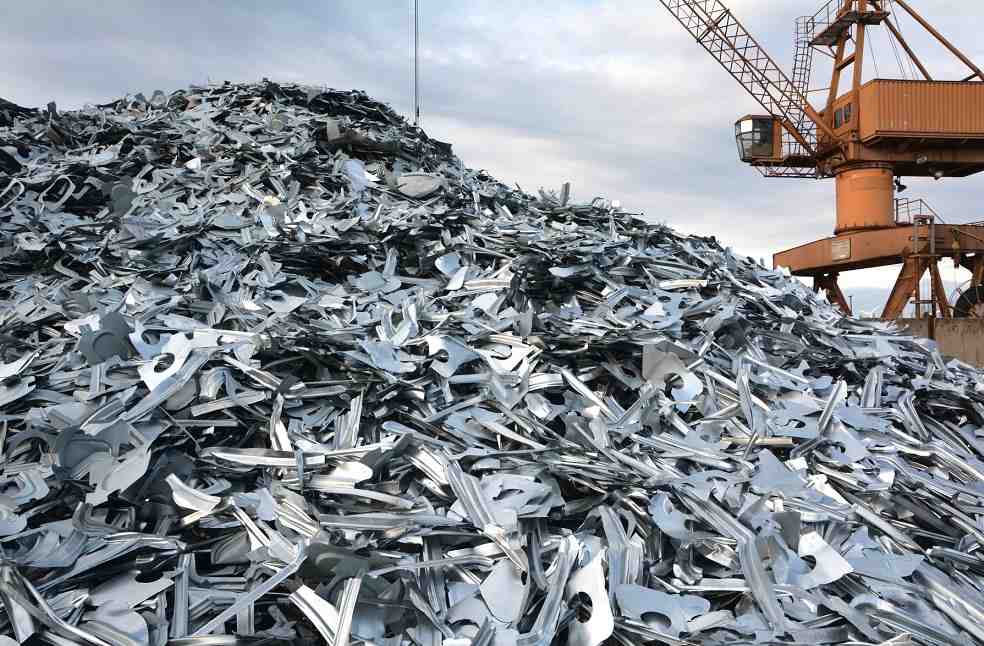
The Brussels-based Bureau of International Recycling has formally submitted comments to the European Commission expressing concern over potential trade measures that could restrict exports of aluminum scrap outside the European Union.
In its submission, BIR said it supports the EU’s circular economy and decarbonization objectives but warned that proposed export restrictions or trade barriers are unnecessary and could trigger serious unintended consequences across the aluminum value chain.
The organization argued that limiting scrap exports would not align with market realities and risks undermining the economics of recycling.

The comments were published on the European Commission’s website as part of its consultation on possible trade measures aimed at ensuring sufficient availability of aluminum scrap within the EU market.
According to BIR, the commission’s own monitoring data does not indicate any structural shortage or so-called ‘scrap leakage.’ Instead, BIR said current export levels reflect a functioning market in which the EU generates more aluminum scrap than domestic smelters can technically or economically process.
BIR cautioned that restricting trade flows would not increase domestic scrap availability but would instead distort markets and suppress recycled aluminum prices. Such price pressure, it said, could threaten the financial viability of recycling operations across Europe.
The organization further warned that lower profitability would weaken collection incentives and discourage investment at a time when significant capital is required to meet EU recycling and sustainability targets.
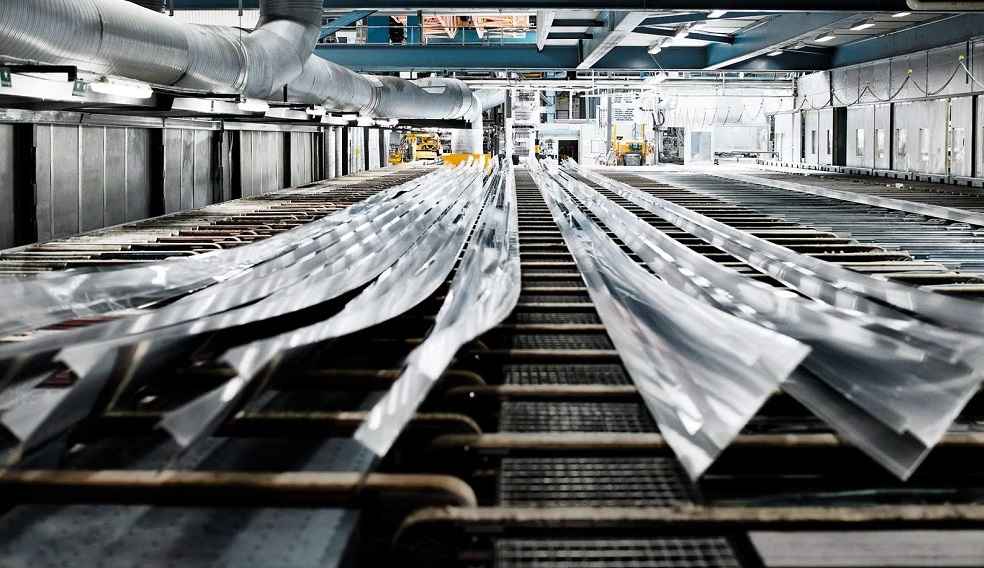
BIR said it had highlighted the risk that aluminum scrap, currently treated as a valuable secondary resource, could become a financial burden, increasing the likelihood of abandoned or poorly managed waste streams.
Rather than imposing restrictions, BIR urged the commission to pursue evidence-based policy solutions. These include improving energy affordability for recyclers, harmonizing regulatory frameworks across member states, and creating incentives to increase the use of recycled content in manufacturing.
BIR concluded that if the European Commission decides to proceed with market interventions despite these concerns, any measures should be strictly temporary, narrowly targeted, and governed by robust emergency clauses. Such safeguards, it said, would be essential to protect employment, investment, and long-term recycling capacity within the EU.
TRADE WORLD | Kenya and Brazil Seek Deeper Trade Links as Tariff Pressures Grow