


Thailand’s Bhumjaithai Party on Wednesday unveiled a new trade policy platform, ‘Trade Plus–Thailand Plus,’ aimed at strengthening the country’s role in global supply chains while supporting farmers, small and medium-sized enterprises, and selected industries.
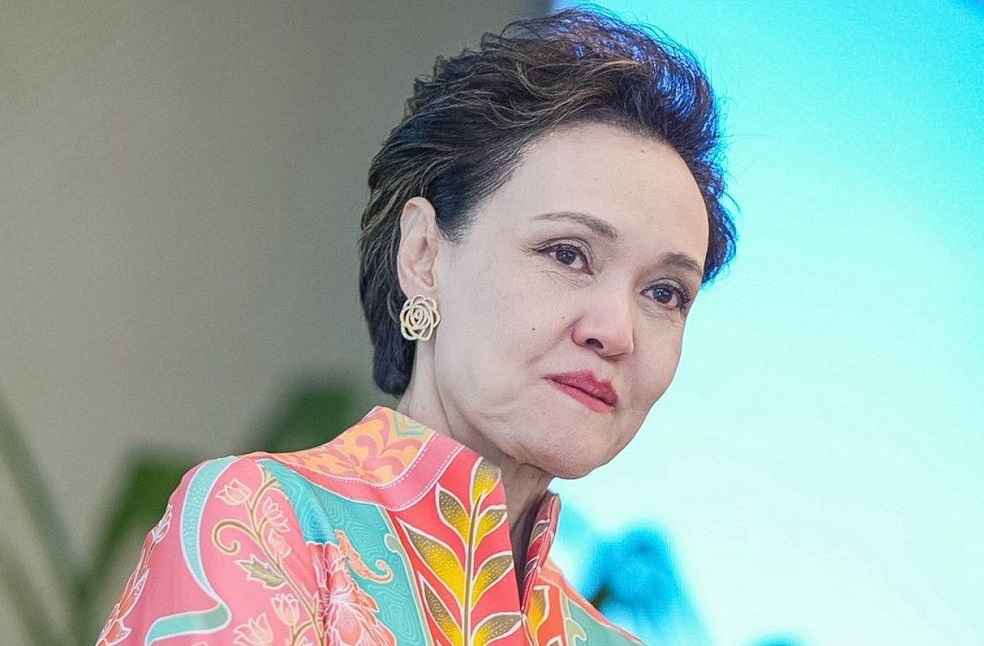
Speaking at a party policy briefing ahead of the election campaign, Suphajee Suthumpun, a member of the party’s trade and economic team, said the initiative is designed to upgrade Thailand’s economic structure by embedding it more deeply into international trade networks. She said Thailand must carefully manage its position amid rising geopolitical pressures and a more fragmented global order.
Suphajee argued that Thailand should avoid aligning too closely with any single geopolitical bloc and instead increase its value as a trading partner so that multiple countries seek to do business with it. Raising Thailand’s strategic relevance, she said, would help safeguard national interests while expanding trade opportunities.
Highlighting structural imbalances in the economy, she said agriculture accounted for about 6% of gross domestic product during the first nine months of the year, despite employing roughly 30% of the workforce.

Industry contributed around 25% but was on a declining trend, while services made up about 66% of GDP. She said the services sector should move toward higher-value segments such as medical services, the creative economy, and content-based industries.
On agriculture, Suphajee said government measures had helped increase rice prices, with white paddy at around 8,000 baht per ton and jasmine rice at about 17,000 baht per ton. She said these gains were achieved without additional budget spending, attributing the outcome to integrated efforts to expand market access and move products into higher-value channels.
She said Thailand should rethink its export strategy by planning for Thai goods to be processed or re-exported to third markets, rather than focusing solely on final consumption in partner countries.
This approach, she said, would create multiple export endpoints and strengthen Thailand’s position within global supply chains. Trade, she added, should be based on mutual benefit rather than one-sided advantage.
Referring to tariff policies, Suphajee said the United States applies different tariff rates to different trading partners, claiming Thailand faces a 19% rate, lower than those imposed on some other economies such as China, India, and Canada. She said Thailand should identify opportunities created by higher tariffs on competitors and move quickly to fill those gaps.
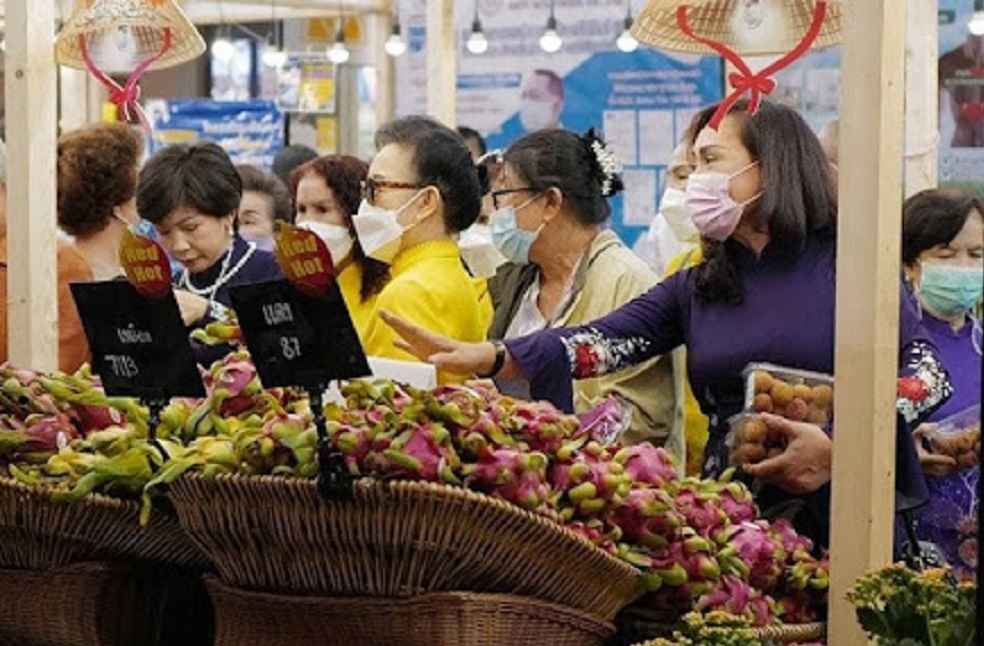
She also outlined measures to raise farm incomes and product value, including promoting countertrade deals that use agricultural products in large procurement contracts, encouraging production aligned with market demand, and developing geographical indication branding for premium rice varieties.
She said more than 200 communities had received targeted support in just over two months through assistance such as equipment provision, packaging, and market access, and argued that expanding the program could benefit thousands more communities and other crops, including cassava.
For SMEs, Suphajee said policy support should prioritize helping businesses transition from offline to online operations, build skills, and adopt asset-light expansion models such as franchising.
She added that the policy agenda would require faster approvals, improved ease of doing business, and stronger transparency, stressing that speed must be matched by fairness and accountability.
Suphajee said the party’s broader ’10 plus’ policy package, covering areas including security, foreign affairs, disaster response, scam suppression, artificial intelligence, ageing society policy, and education, is intended to restore public confidence. She named Anutin Charnvirakul, leader of the Bhumjaithai Party, as the figure she said would lead that effort.
BANKING & FINANCING | Indonesia Backs Furniture Sector with Export Financing Plan