


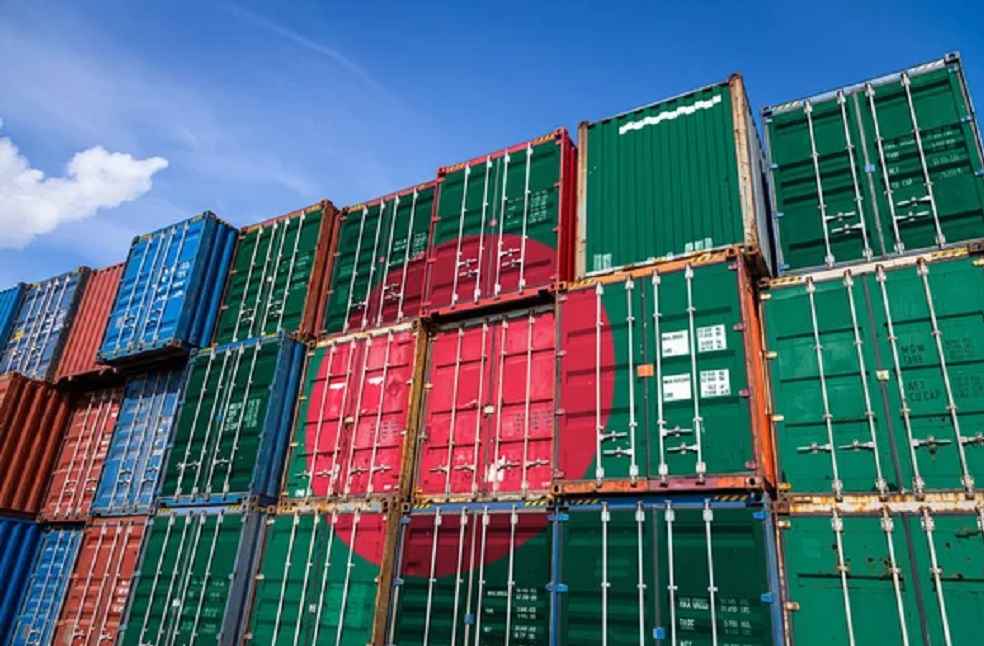
Bangladesh’s interim government is working to conclude two major trade deals with the United States and Japan ahead of national elections, aiming to expand market access and safeguard export earnings as the country prepares to graduate from least developed country (LDC) status.
According to The Daily Star, Commerce Secretary Mahbubur Rahman confirmed that the Economic Partnership Agreement (EPA) with Japan is set to be signed on February 6 in Tokyo. Meanwhile, talks are ongoing about the format of the U.S. trade deal, which was initially planned for February 9 in Washington and may now be finalized virtually.
The U.S. agreement focuses on granting duty-free access for Bangladeshi garments produced with American cotton. Under the proposed terms, garment exporters whose products are made up of 60–70% of U.S. materials, including cotton, would be exempt from the 20% tariffs.

Secretary Rahman indicated that the Trump administration is weighing a cut to the current 20% reciprocal tariff rate, though the precise level of reduction has yet to be decided. This concession comes after several months of bilateral talks.
At the same time, Commerce Adviser Sk Bashir Uddin and the ministry’s trade negotiation team are heading to Tokyo this week to finalize the country’s first comprehensive trade agreement with a major partner.
The agreement offers significant advantages in market access. When implemented, Japan will allow duty-free entry for 7,379 products—covering 97% of Bangladesh’s exports—including major garment items. In return, Bangladesh will gradually extend duty-free treatment to 1,039 Japanese goods over an 18-year period.
In addition to goods, the EPA also covers trade in services. Bangladesh has agreed to open 97 sub-sectors across 12 service categories to Japan, while Japan will provide access to 120 sub-sectors for Bangladesh. The agreement is expected to boost Japanese investment and promote technology transfer.
Japan is currently Bangladesh’s largest export market in Asia, with annual shipments nearing $2 billion, largely driven by garment exports. Last month, Japan announced it would extend duty-free market access for Bangladesh for an additional three years, through 2029.
However, research indicates that Bangladesh could face annual export losses of up to $8 billion once LDC benefits end, underscoring the importance of securing preferential trade agreements with key partners to maintain economic growth.
POLICY & LAW | Vietnam’s Food Safety Inspections Stall Agri-Imports at Borders