


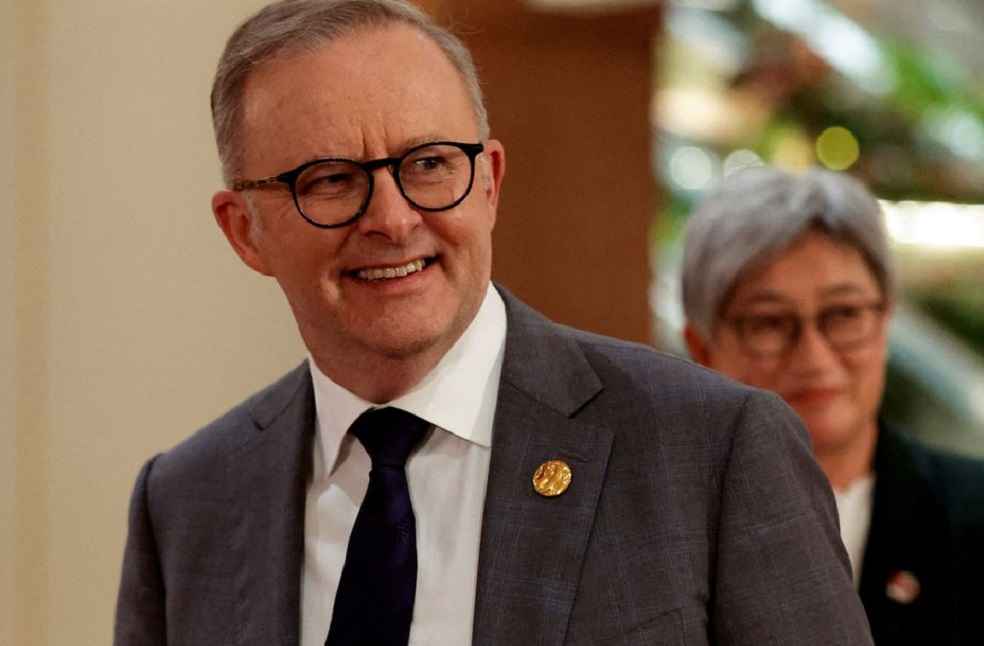
Australia’s Prime Minister, Anthony Albanese, has urged China to lift its unofficial restrictions on iron ore imports, calling for a return to stable trade ties between the two nations. The appeal comes amid mounting concerns over the economic fallout from the ongoing disruption, which has severely affected Australia’s most valuable export commodity.
The trade standoff is the latest in a series of strained exchanges between Canberra and Beijing following disputes over international policy, foreign investment rules, and security concerns. China has placed tariffs and unofficial curbs on a range of Australian exports, including coal, barley, wine, and beef. While iron ore had previously been spared because of China’s reliance on it for steelmaking, recent developments have disrupted the trade, causing shockwaves in Australia’s economy.
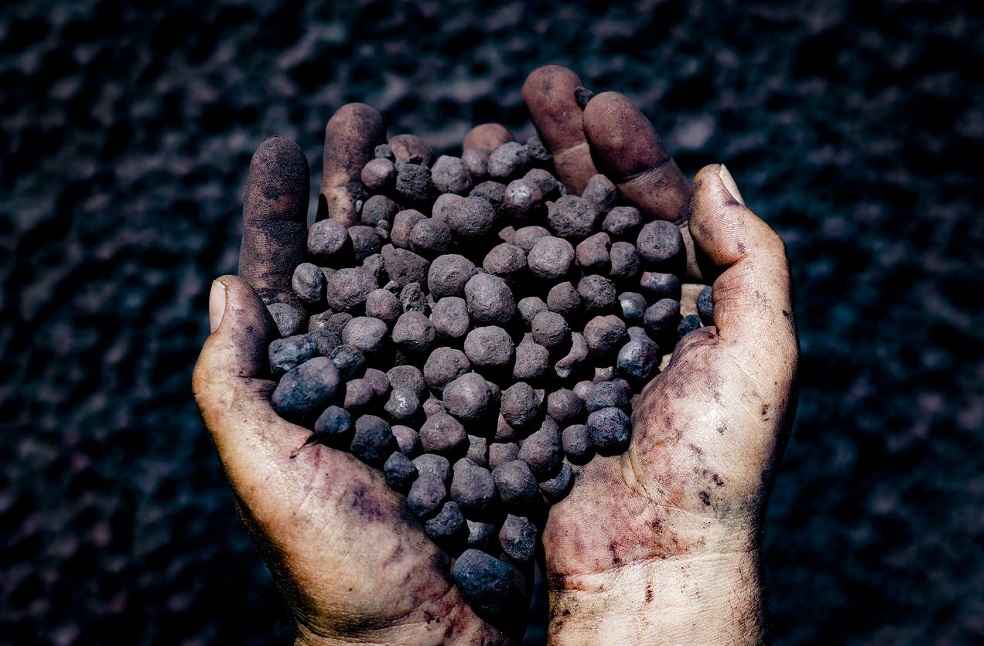
Speaking at a press conference in Canberra, the Prime Minister highlighted the enduring and mutually beneficial nature of the trade. “Australia has always been a reliable and high-quality supplier of iron ore to China, fueling its incredible economic growth for decades,” he said. “It is in both our nations’ best interests to resolve these issues and resume the stable, predictable trade that has served us so well. We urge our partners in Beijing to work with us to remove these barriers.”
The government confirmed that it is using all available diplomatic channels to resolve the dispute and restore the flow of its most critical export.
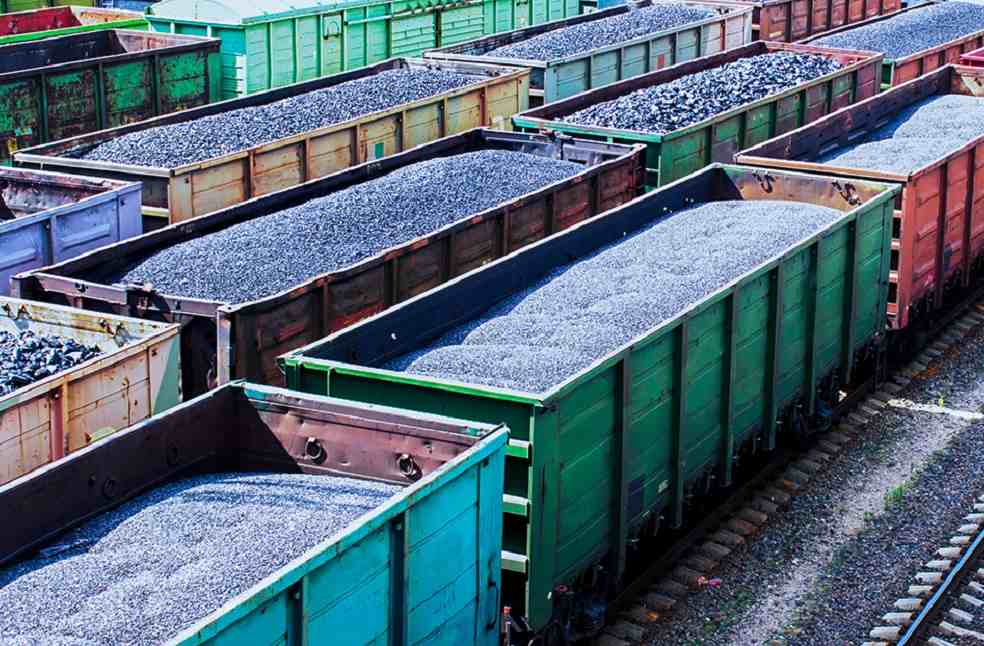
Iron ore, worth more than $100 billion AUD annually in trade with China, is the backbone of Australia’s export economy. The disruption has already created financial strain for major mining companies and the national budget. Mining giants such as BHP, Rio Tinto, and Fortescue Metals Group have faced stock market volatility and are reassessing short-term production forecasts.
Economists warn that prolonged disruption could weigh on GDP growth, employment in the resources sector, and government revenues from royalties and taxes. Globally, the standoff may also drive up steel prices as China, the world’s largest steel producer, considers sourcing more costly alternatives from Brazil or other suppliers.
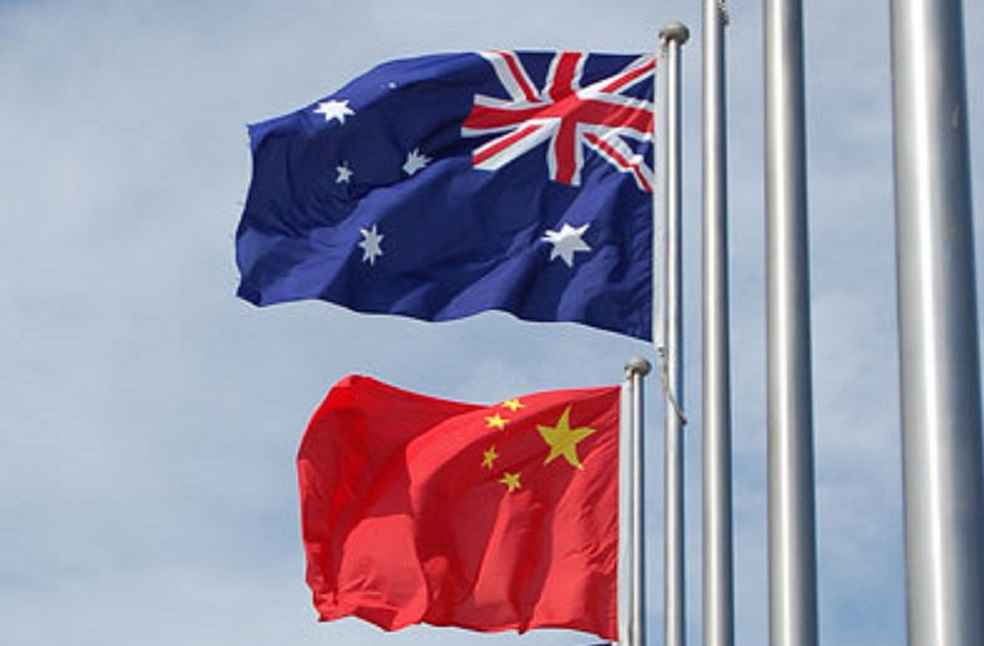
The China Story
China’s steel sector depends heavily on Australian iron ore because of its quality, volume, and cost advantages. Ore from Western Australia’s Pilbara region contains exceptionally high iron content, making steel production more efficient. Combined with the scale of Australian mining infrastructure and shorter shipping routes compared to South America, these factors make Australia China’s top supplier. While China has expanded domestic output and explored sources in Africa, these cannot yet replace Australia’s supply in scale or quality.
The outcome now hinges on diplomatic negotiations. Analysts believe China’s dependence on Australian ore makes resolution likely, though the timing remains unclear. Meanwhile, the Australian government faces pressure to both resolve the dispute and diversify its export markets to reduce reliance on China.
MOST POPULAR | International Coffee Day 2025: From Bean to Brew