


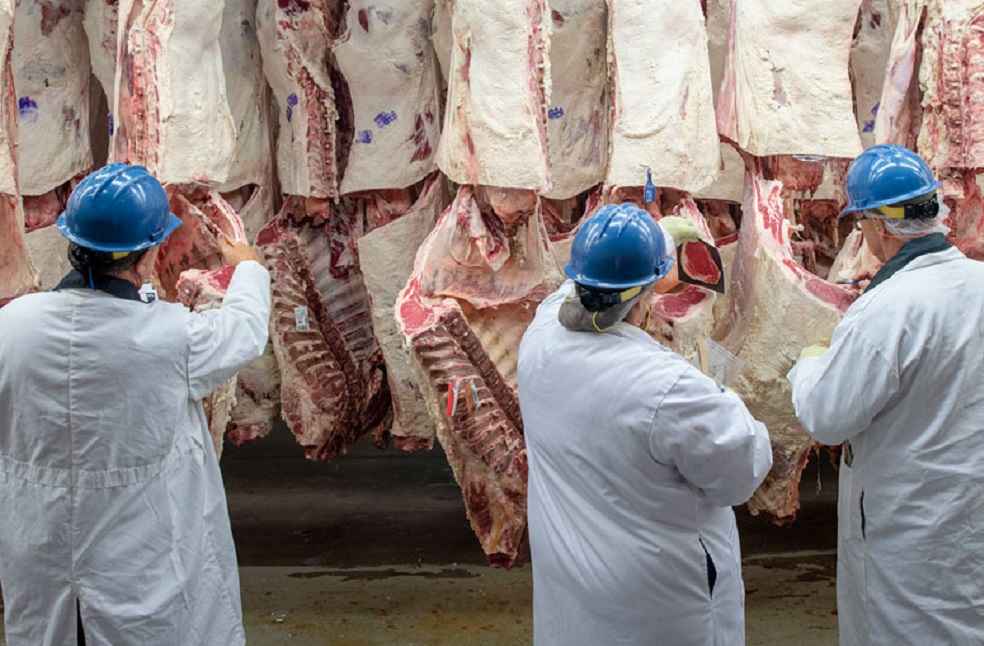
Australian beef continues to attract strong global demand despite new trade barriers imposed by China, as Canberra engages Beijing in talks over recently introduced import tariffs.
China implemented tariffs of up to 55% on beef imports above set quotas from several countries, including Australia, from January 1, a move aimed at protecting domestic producers. Under the revised framework, Australia has been allocated a quota of 205,000 tons out of China’s total 2.7 million-ton beef import allowance for 2026.
According to data from the Australian Bureau of Agricultural and Resource Economics and Sciences presented at Senate estimates hearings, Australia exported around 270,000 tons of beef to China in the 2024–25 financial year, valued at approximately A$2.8 billion.
Jared Greenville, executive director of the bureau, said the impact of China’s tariffs could be softened by strong international demand and the flexibility of global beef markets. He told the hearing in Canberra that Australia continually assesses geopolitical risks across its trading environment, noting that the ability to shift volumes between markets remains a key strength.
Australian officials were informed of China’s tariff decision on December 30, just one day before it came into effect, according to Alistair Campbell, acting head of the trade and international division of the agriculture department. Campbell said the government and media became aware of the restrictions at roughly the same time.
He added that Agriculture Minister Julie Collins and Trade Minister Don Farrell have since raised concerns directly with Chinese counterparts, including through formal correspondence sent earlier this week. Campbell said the government had made clear its disappointment with Beijing’s decision.
The United States remains Australia’s largest red meat export market, following the removal in late 2025 of 10% tariffs previously imposed by President Donald Trump. Beef exports to the U.S. are valued at around A$5.2 billion annually, while demand for Australian sheep meat also remains strong.
Tom Black, first assistant secretary for exports and veterinary services, said demand from the U.S. market was exceptionally high as the American cattle herd sits at historically low levels, driving increased imports from Australia and other suppliers.
Domestically, cattle prices have begun to ease as producers in flood- and fire-affected regions move to sell stock, according to Bendigo Bank’s latest monthly market update. Despite this, beef export volumes reached a record level in January, running about 20% above the five-year average.
The update noted that while demand from both the U.S. and China remains strong, China’s new import quota arrangements could begin to affect Australian beef exports from 2026, depending on how trade negotiations progress and how global market conditions evolve.
TRADE WORLD | U.S. and Bangladesh Finalize Trade Deal with Reduced Tariffs