


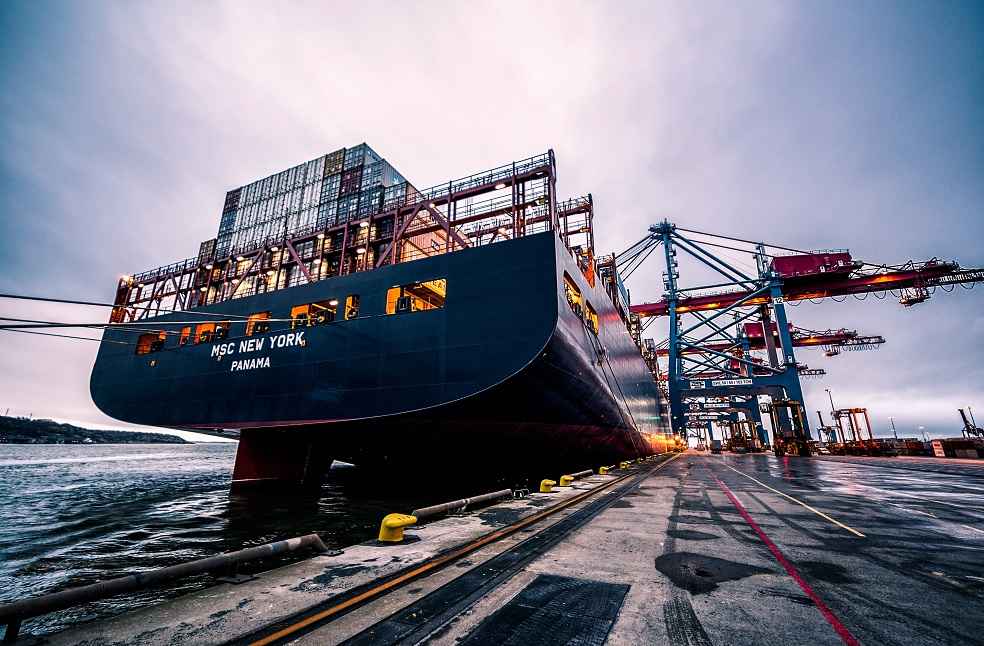
Asia-to-U.S. sea freight rates are expected to continue their downward trend into 2025, driven by overcapacity, shifting trade routes, and prolonged tariff-related uncertainties, according to shipping industry experts.
Since June 1, average spot rates for containers from Asia to the U.S. West Coast and East Coast have plunged by 58% and 46% respectively, as per data from shipping analytics firm Xeneta. This sharp decline reflects a broader market imbalance where supply is outpacing demand, with more vessels being deployed than required.
Xeneta’s Chief Technology and Data Officer, Erik Devetak, attributed the slump to global overcapacity and weaker trade performance, particularly on the China-U.S. lane. “China-to-U.S. trade is dampened and the EU economy is not exactly hot, so blanked sailings and cancellations will become a recurring theme as carriers desperately try to keep freight rates up,” Devetak said. Blanked sailings refer to the cancellation of scheduled port calls or entire voyages.
The Constitutional Conservative | Twitter
While there was a brief rise in demand in late May and early June, when shippers rushed to capitalize on a 90-day pause in tariffs introduced by U.S. President Donald Trump, rates quickly dropped again as available capacity flooded the market.
The ongoing lack of resolution in trade negotiations between the U.S. and China is adding to market uncertainty. The two nations recently agreed to extend their tariff truce, but the future of trade relations remains unclear.
DHL Global Forwarding’s Asia Pacific CEO, Niki Frank, noted that early summer optimism encouraged carriers to add more capacity on trans-Pacific routes. The anticipated gains failed to materialize, exposing a market now burdened with excess supply.
Maritime analyst Jarl Milford of Veson Nautical warned that freight rates may decline steadily in the second half of the year as more vessels enter the market. He cited persistent uncertainty around tariff policies and waning global demand as contributing pressures.
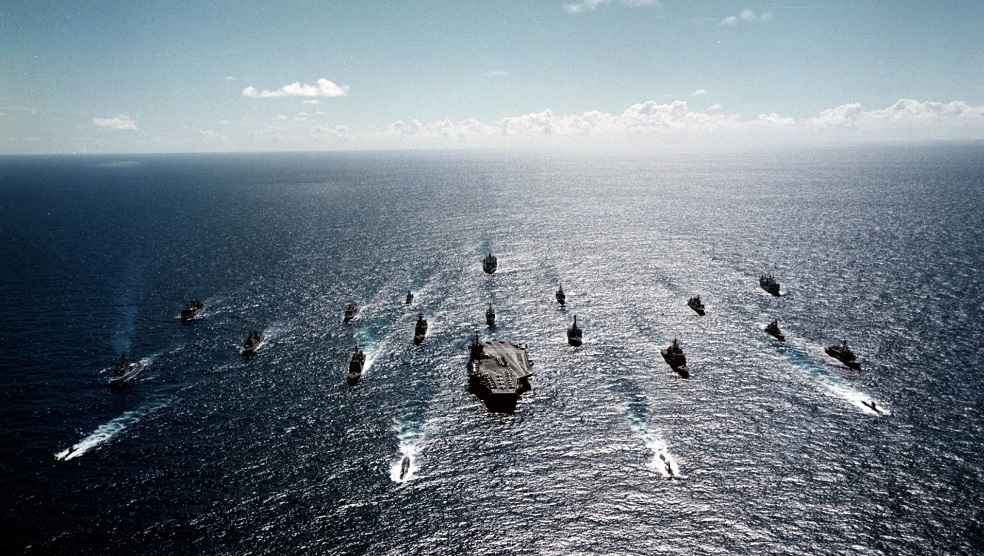
Adding complexity to the situation are longer shipping routes, which are partly offsetting the excess capacity. Carriers are rerouting around the Red Sea due to security concerns following Houthi attacks, and some are avoiding U.S. ports altogether to minimize tariff exposure. These diversions are helping maintain capacity utilisation levels at approximately 86–87%, according to Jefferies Research.
Ocean Network Express, a joint venture of Japanese shipping lines, acknowledged last week that ongoing trade disruptions are making it difficult to predict shipping volumes for the remainder of the year.
Despite the drop in U.S.-bound shipments from China, exports to other regions such as Europe and Latin America have increased, helping stabilize freight rates in those markets. Jefferies analysts anticipate that trans-Pacific spot rates could hit their lowest levels this year in July, although stronger demand elsewhere is keeping some rate segments elevated.
MOST READ | EU Investor Confidence Drops After Trump’s Trade Deal With Brussels