
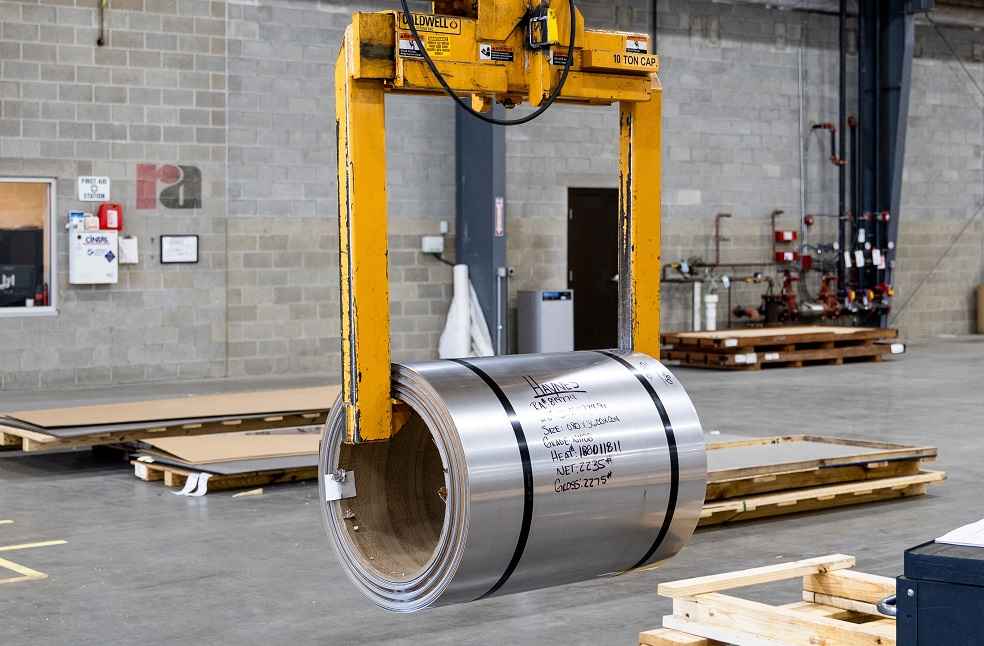
The resolution, published in the official gazette on Wednesday, takes immediate effect and will remain valid until December 31, 2025, or until importing countries reduce tariffs on these goods below 45%.
According to the decree, the suspension applies only to destinations where import duties currently stand at a minimum of 45%. The measure reflects Argentina’s intent to support industrial producers in a challenging economic environment while cautiously advancing its trade liberalization agenda.
The government stated that the decision aims “to enhance export capacity and improve the competitiveness of one of the productive sectors of the country.”
Argentina’s metals industry, particularly steel and aluminium producers, has faced significant headwinds in recent years due to global price fluctuations and weak domestic economic conditions.
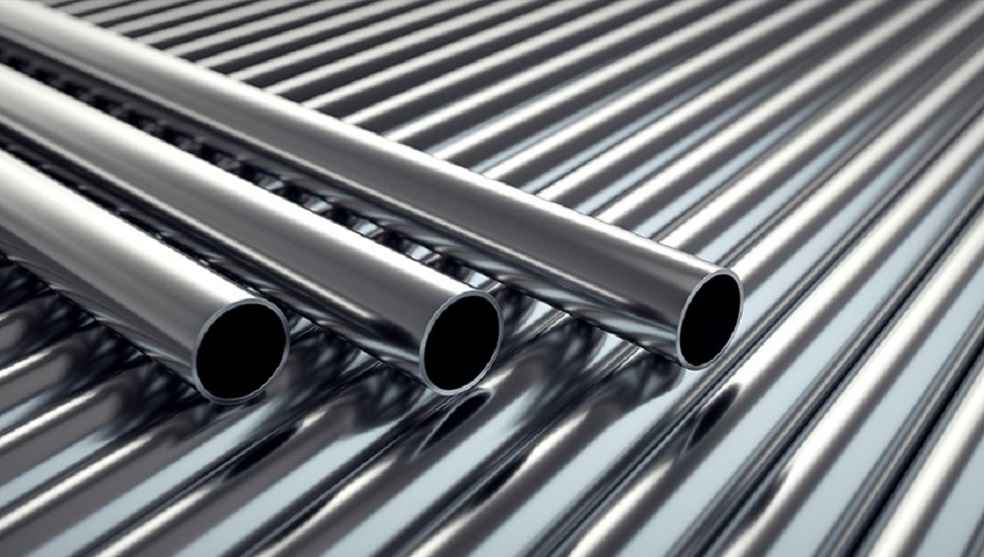
By easing export taxes, authorities hope to stimulate shipments abroad, attract foreign currency, and provide temporary relief for companies burdened by high production costs and export constraints.
The policy’s benefits depend on external market dynamics. The suspension could be reversed if major importing nations lower their tariffs before the end of 2025. The government’s conditional approach signals a preference for trade reciprocity rather than unrestricted liberalization.
This initiative follows earlier efforts to adjust Argentina’s export regime. In September, the government briefly suspended export taxes on soy, corn, wheat, and related by-products to boost foreign sales and stabilize the peso.
That policy was rescinded within a week, underscoring the delicate balance between promoting exports and maintaining fiscal revenue. In contrast, the new metals measure spans a longer timeframe, suggesting a more sustained commitment to supporting the industrial sector.
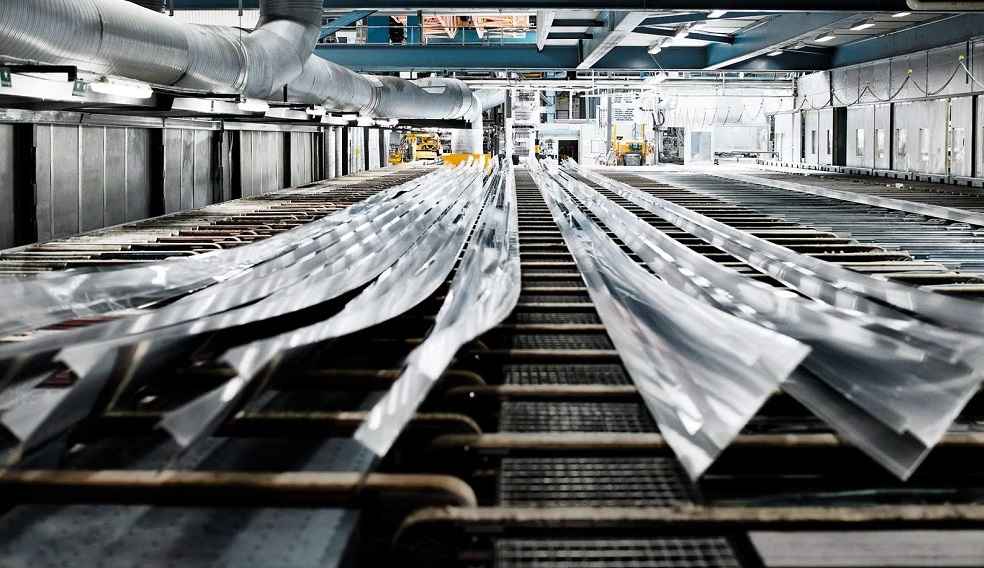
Despite signs of modest economic recovery, Argentina continues to face pressure to attract foreign investment and strengthen industrial output. Export taxes, historically a key source of revenue, have also discouraged competitiveness.
By temporarily waiving these levies, the government is betting that higher export volumes will compensate for the short-term loss in fiscal income.
For aluminium and steel producers, the change could open access to high-tariff markets that were previously less viable under export duties.
The move may enable Argentine manufacturers to regain or expand their market share internationally. Still, the policy’s built-in expiration and tariff-based limits may hinder long-term planning.
TRADE TECH | iPhone Exports from India Hit $10B as Apple Scales Indian Output