



Customs officials from across the Asia-Pacific Economic Cooperation (APEC) bloc convened in Incheon, South Korea, for the second 2025 meeting of the Subcommittee on Customs Procedures (SCCP). The gathering aimed to promote technological innovation and digital transformation in customs operations to streamline border management and bolster global trade facilitation.
The SCCP, a technical body comprising representatives from all 21 APEC member economies, including the United States, Canada, Chile, Mexico, and Peru, focuses on harmonizing customs processes while respecting each nation’s sovereignty. Key discussions this year centered around using artificial intelligence (AI) and digital innovation to enhance the efficiency, security, and resilience of trade operations in an increasingly complex global landscape.
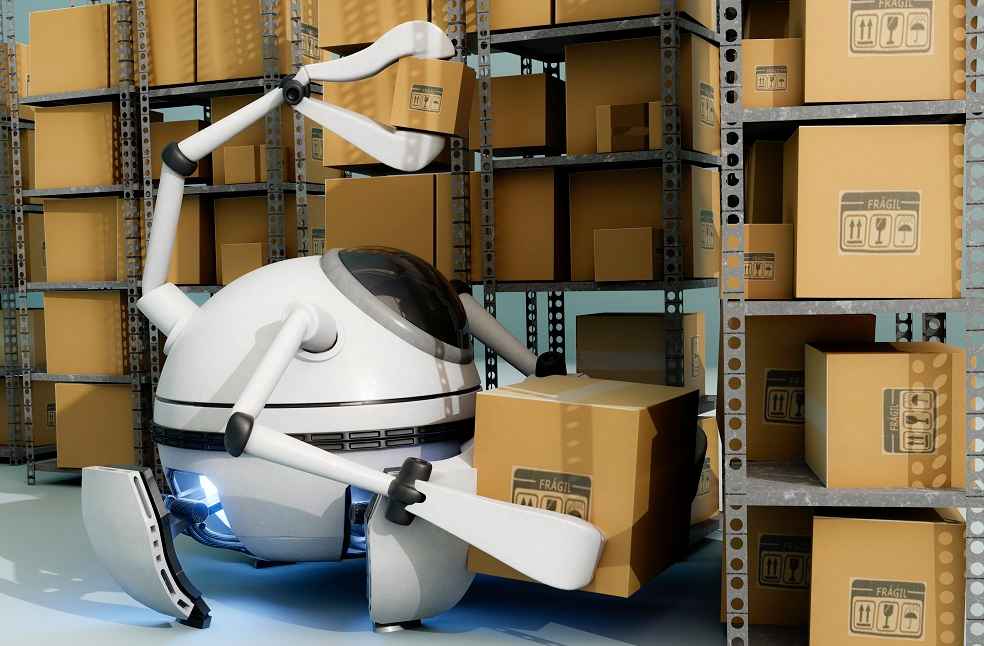
The rise of e-commerce, evolving environmental border regulations, and growing concerns over supply chain security have made customs transformation a pressing need. Korea Customs Service Commissioner Myeong-ku Lee underscored this urgency, stating, “Innovation has ceased to be an option and has become a necessity,” adding that AI could enable faster and more precise customs clearances. He stressed that global trust and cross-border cooperation are crucial to fully unlocking its potential.
Over the three-day session, members examined the implementation progress of the Supply Chain Connectivity Framework (SCFAP III), which runs through 2026. Delegations exchanged insights on digital trade facilitation tools, including electronic certificates of origin, single-window platforms, blockchain applications, and AI-driven customs processes.
The Customs-Business Dialogue emerged as a key highlight, bringing together customs authorities and private sector representatives to discuss critical topics such as e-commerce regulation, authorized economic operators (AEOs), and trader trust initiatives. Officials called for adaptable digital tools and standards that balance innovation with effective risk management.
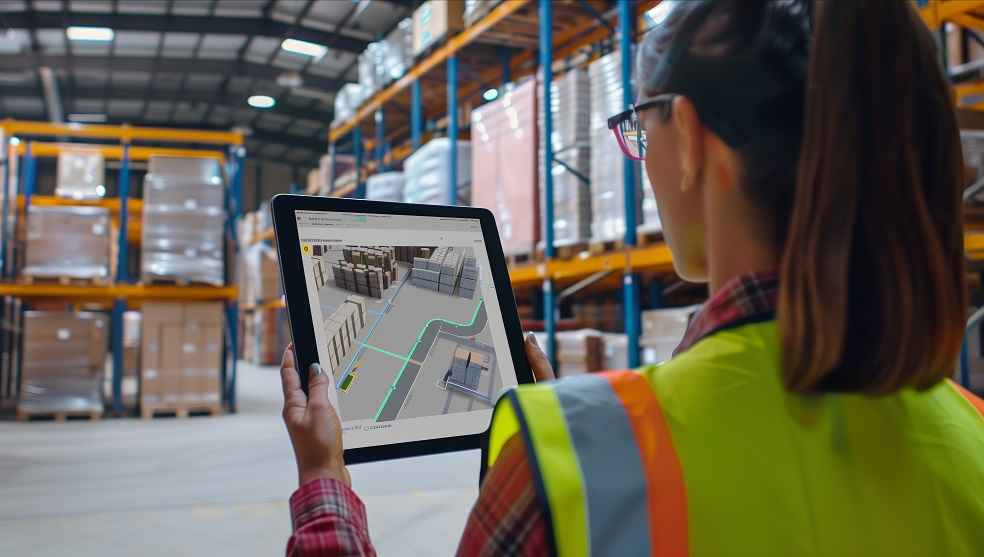
Sustainability was another focal point, with sessions addressing green customs practices like low-carbon logistics, environmentally responsible processes, and the digitalization of trade documentation. Parallel events included a workshop on cross-border e-commerce, a seminar on rules of origin, and a showcase of emerging customs technologies.
In closing, Commissioner Lee reiterated the importance of moving toward integrated, modern border management. “Technology alone is not enough: we need trust, interoperability, and shared standards,” he said, affirming SCCP’s role in fostering collaborative solutions amid current global trade complexities.
The meeting also included observers from Colombia, the World Customs Organization (WCO), and the Oceania Customs Organization (OCO), who are participating in the subcommittee for a three-year period.
TRAVEL & TOURISM | New U.S. Visa Bond Requires Up to $15,000 from Certain Travelers