



Alibaba is preparing a blockchain-based overhaul of global B2B payments that could alter how international trade is settled in the coming years.
The company plans to introduce a tokenized payment network by December, designed to speed up cross-border transactions that are still burdened by slow processing, high charges, and multi-currency complications.
Executives from Alibaba said the settlement system will be built around tokenized versions of the U.S. dollar and the euro. These digital units are expected to operate much like stablecoins while remaining fully backed by bank deposits.
The aim is to create a payment method that moves across borders with near-instant speed while preserving the stability and regulatory comfort of traditional money.
The company believes that smoother and more predictable settlements will remove long-standing frictions in global trade.

Alibaba argues that the pressure to redesign global workflows has intensified as AI, digitization, and modern supply chain demands converge.
The firm says automating and simplifying B2B e-commerce could transform the industry by cutting out delays linked to currency conversions, lengthy settlement cycles, and third-party intermediaries.
Today, cross-border payments may take two to three days to complete, depending on jurisdiction. Alibaba believes that tokenizing deposits can eliminate these delays and improve cash-flow visibility for businesses, particularly small and medium-sized firms that are often constrained by liquidity gaps.
As part of its broader effort, Alibaba is rolling out Agentic Pay, an AI-driven tool that converts conversational messages between suppliers and buyers directly into binding contracts.
The system is meant to reduce negotiation time and limit the errors that creep in when agreements are drafted manually. Executives say the tool should cut operational overhead and support more transparent trade processes.
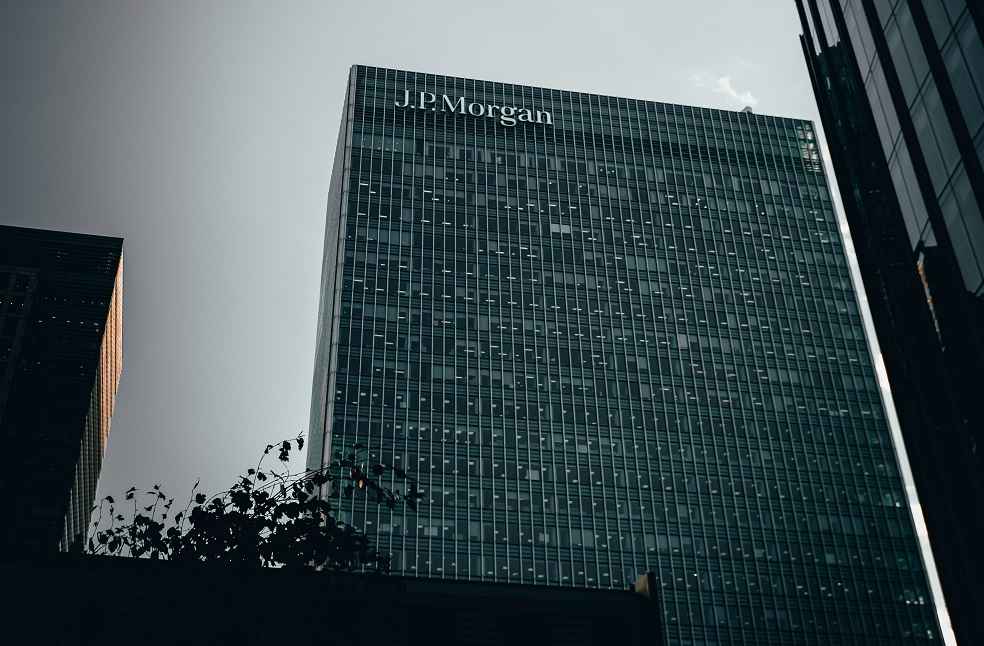
On the infrastructure front, Alibaba has partnered with JPMorgan’s blockchain tokenization arm, Kinexys, to support the new settlement layer. Analysts note that JPMorgan already clears substantial volumes of tokenized transactions daily, estimated at around two billion dollars.
The collaboration comes shortly after JPMorgan launched a deposit token on Base, an Ethereum Layer-2 network, expanding its own blockchain-based payment capabilities.
Industry observers say the December rollout could become one of the most significant deployments of tokenized money in real-world B2B commerce. If widely adopted, the system may eventually handle billions of dollars in settlement flows each year.
The initiative also signals how blockchain-based settlement models could shape the future of global finance.
Adoption rates will depend on regulatory clarity and user comfort with tokenised transactions, but the global supply chain is increasingly recognizing the advantages of faster, automated settlement rails.
Over time, companies will learn how effectively these systems resolve the structural inefficiencies that have long characterised cross-border trade.
GLOBAL EVENTS | Amsterdam Hosts Major Global Bulk Wine Exhibition 2025