


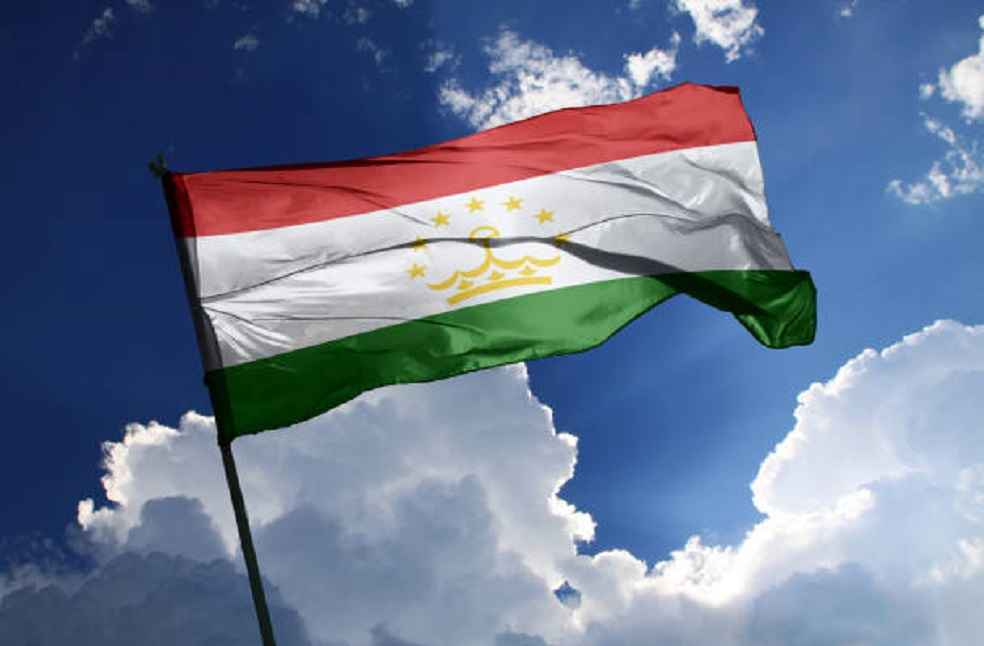
Tajikistan remains among the world’s more import-dependent economies, with imports of goods and services accounting for about 48.4% of gross domestic product in 2023, according to World Bank data. The figure places the Central Asian nation well above global averages, highlighting its reliance on external supplies for economic stability and growth.
Data published through global trade visualizations indicate that nearly half of Tajikistan’s economy is linked to imported goods and services. While the structure reflects global patterns among landlocked nations with limited industrial capacity, it also exposes the economy to external price fluctuations, supply disruptions, and geopolitical trade tensions.
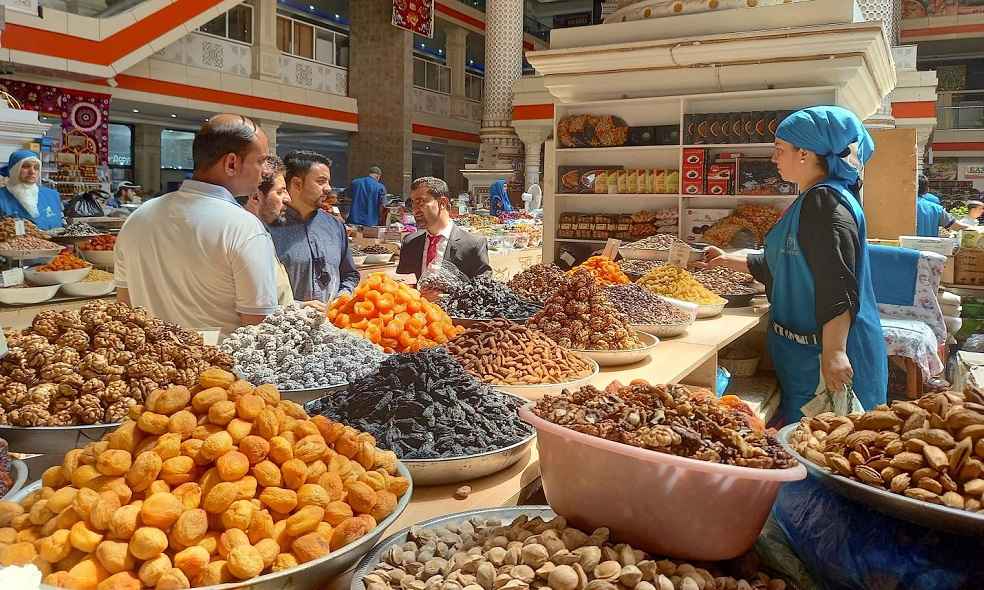
Tajikistan’s import profile is driven largely by the need for fuel, food, machinery, and industrial equipment that are difficult or inefficient to produce domestically. Economists note that such reliance is common for smaller economies lacking diversified manufacturing sectors and extensive natural resources.
Within Central Asia, Tajikistan ranks among the most import-reliant countries, trailing Kyrgyzstan, which is one of the world’s most import-dependent economies, with imports accounting for more than four-fifths of its GDP.
By contrast, Uzbekistan shows a more balanced trade structure, while Kazakhstan benefits from a stronger export performance supported by natural resource revenues. Turkmenistan, with a relatively closed economic model, records one of the lowest import shares in the region.
Globally, some of the highest import-to-GDP ratios are recorded in major financial and trading hubs such as Hong Kong, Luxembourg, San Marino, and Singapore, where imports frequently exceed the size of domestic economic output due to large re-export flows.
At the opposite end of the spectrum, countries with limited foreign trade engagement or economic isolation tend to show lower import shares, often reflecting restricted market access rather than self-sufficiency.
Regional comparisons show that Europe and Central Asia maintain moderate import dependence overall, placing Tajikistan near regional averages but leaving it more vulnerable to external shocks than larger, more diversified economies.
Analysts stress that high import levels are not inherently negative and can support economic development by ensuring access to critical resources and technology.
STOCK MARKET | Wilmar Shares Slip as Palm Oil Weakness Weighs