


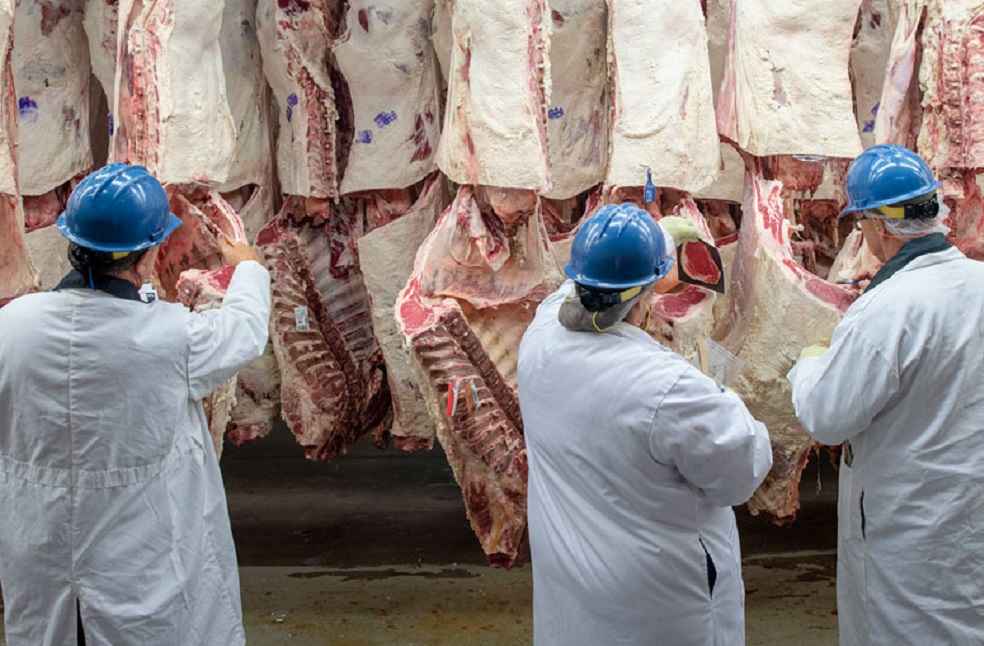
Australia has expressed disappointment over China’s decision to impose new tariffs on beef imports, a move that industry representatives warn could significantly disrupt bilateral trade worth more than AU$1 billion.
China has announced additional tariffs of up to 55% on beef imports from countries including Australia, Brazil, and the United States when shipments exceed specified quotas. The measures will apply for the next three years. Beijing also said it would suspend part of its free trade agreement with Australia that covers beef exports.
Responding to the decision, Australian Trade Minister Don Farrell said Canberra had made its position clear to Beijing. He stated that Australian beef posed no risk to China’s domestic beef sector and that Australia expected its status as a free trade agreement partner to be respected.
Farrell added that Australian beef remained in strong global demand and that the government would continue to advocate for and support the industry.
China is Australia’s second-largest beef export market after the United States. Under the new arrangements, Australia will face a quota of around 200,000 tons for 2026.
The tariffs come amid falling beef prices in China in recent years, a trend analysts attribute to oversupply and weaker demand as economic growth in the world’s second-largest economy has slowed.
At the same time, China’s beef imports from suppliers such as Brazil, Argentina, and Australia have increased sharply. Chinese authorities said investigations found that rising imports had harmed the domestic beef industry.
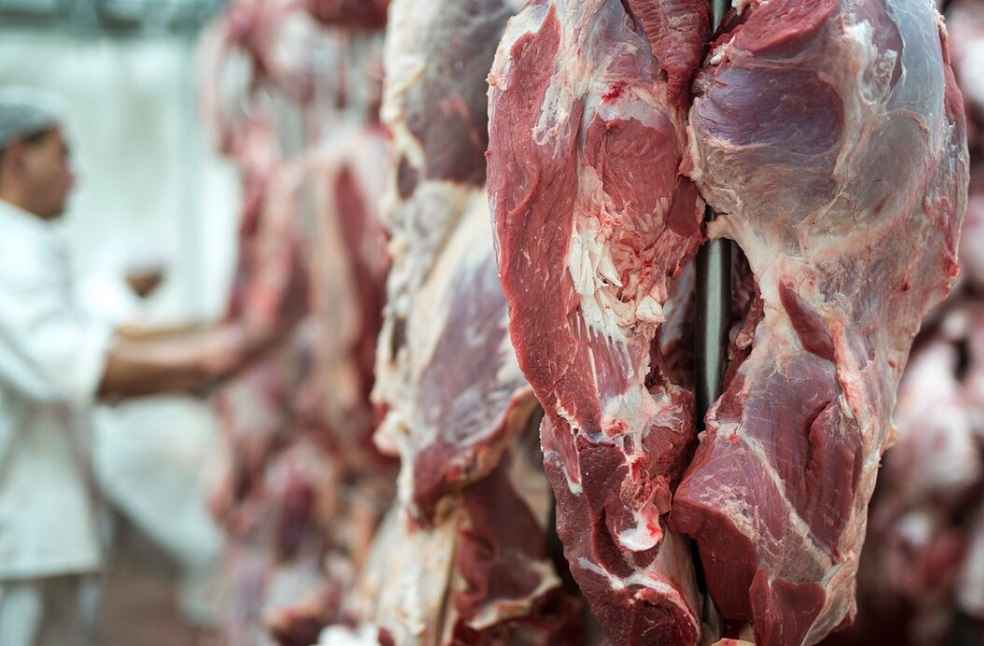
The Australian Meat Industry Council warned that the new restrictions could cut Australian beef exports to China by about one-third compared to the past year, affecting trade valued at more than AU$1 billion. Executive officer Tim Ryan said the tariffs would have a severe impact on trade flows and limit Chinese consumers’ access to Australian beef.
Trade relations between Australia and China have improved in recent years, with Beijing lifting several restrictions on key Australian export commodities. Tensions emerged in 2018 when Australia barred Huawei from its 5G network on security grounds and later introduced foreign interference laws.
Relations further deteriorated in 2020 after Canberra called for an international investigation into the origins of COVID-19, which China viewed as politically motivated.
Australia has since sought to shield its trade relationship with China, its largest trading partner, from broader geopolitical pressures. At the same time, Canberra remains part of a U.S.-led alliance that has pushed back against China’s growing influence in the Pacific region.
BUSINESS GENERAL | Vietnam Targets Halal Market to Expand Exports to Middle East