


India has kept dairy products outside the scope of the free trade agreement concluded with New Zealand on Monday, ensuring that items such as milk, cream, whey, yoghurt, and cheese will not receive duty-free access to the Indian market. New Zealand exporters, however, will be permitted duty-free access for select dairy and food ingredients intended exclusively for re-export under the pact.
The decision reflects the long-standing political sensitivity surrounding dairy liberalization in India, where the sector supports nearly 80 million farmers. The government has consistently said it will not open the market in ways that could undermine domestic livelihoods. A similar approach was taken in the recently finalized India–UK trade agreement, which also excluded dairy and agriculture.
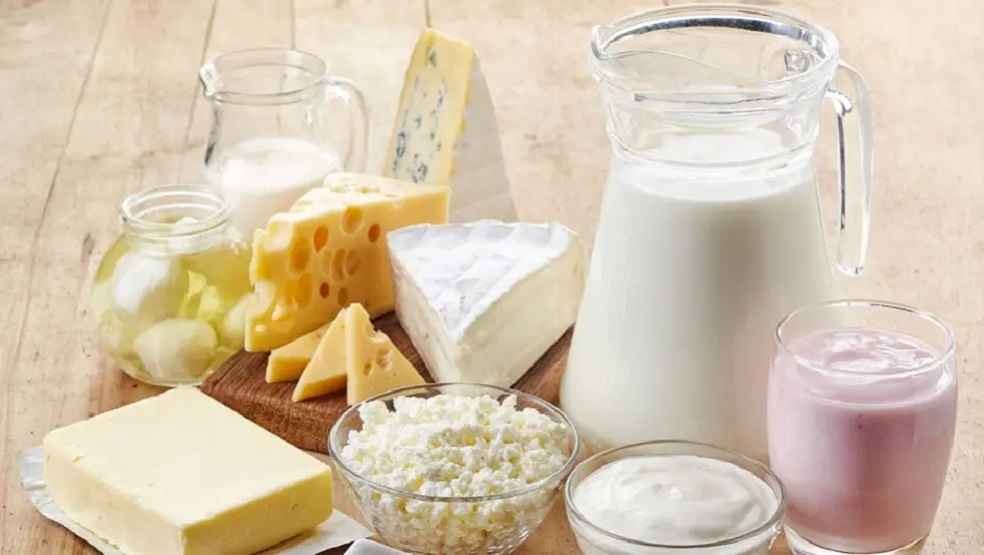
In a statement, the commerce ministry said market access under the agreement excludes dairy products, including milk, cream, cheese, yoghurt, whey, and caseins, along with onions, sugar, spices, edible oils, and rubber. India currently levies import duties of 30% on milk, 60% on skimmed milk, 40% on whey, and 33% on cheese from New Zealand.
Commerce Minister Piyush Goyal said the agreement balances protection for domestic producers with limited openings aimed at cooperation. He said farmers, fishermen, and dairy producers could benefit from improved market access in New Zealand and from technology collaboration.
He further added that India has offered a small, conditional tariff rate quota on a limited number of products to enable knowledge-sharing and leverage New Zealand’s expertise.
Data from the Global Trade Research Initiative shows New Zealand’s dairy exports to India were modest at $1.07 million in FY2025, comprising milk and cream, natural honey, mozzarella cheese, butter, and skimmed milk.
Dairy products, however, account for nearly 30% of New Zealand’s total exports. In the first 11 months of 2025, the country exported dairy products worth about $24 billion globally.
The exclusion has drawn criticism within New Zealand. Opposition figures have argued the pact falls short of being a comprehensive free trade deal.
Winston Peters, founder of the New Zealand First party, said the agreement is the country’s first trade deal to exclude major dairy exports such as milk, cheese, and butter, which together make up a significant share of New Zealand’s goods exports.
Beyond dairy, India has also excluded a range of other products from the agreement, including most animal products, selected vegetables such as onions and pulses, sugar, artificial honey, fats and oils, arms and ammunition, gems and jewellery, copper and aluminium products, reflecting a broader effort to shield sensitive sectors while pursuing selective trade openings.
POLICY & LAW | China to Impose Tariffs on EU Dairy Products After Anti-Subsidy Probe