


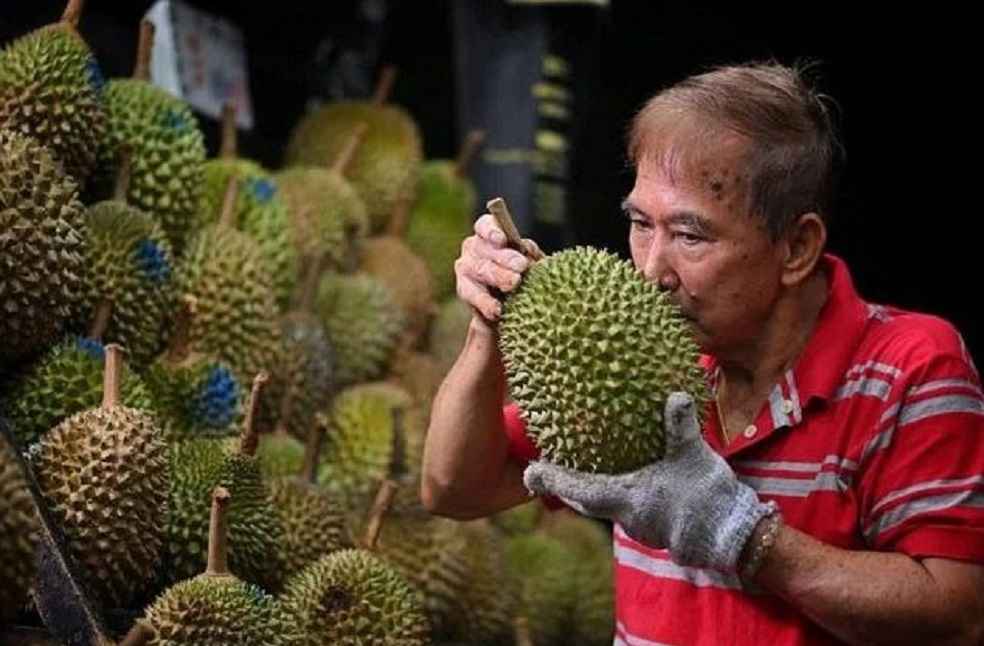
Indonesia is positioning itself as a rising contender in the global durian industry, supported by growing demand and deeper international cooperation, according to the Indonesian Durian Plantation Association (Apdurin).
In May, Indonesia signed a frozen durian export protocol with China’s General Administration of Customs (GACC), marking a major step in expanding its access to the world’s largest durian market. Eight Indonesian companies have already passed verification to export frozen durian to China.
This agreement aims to place Indonesia alongside Thailand and Vietnam as a key global supplier, improving trade efficiency and strengthening economic growth.
Statistics Indonesia (BPS) recorded 600 metric tons of durian exports in 2024 worth $1.8 million, the highest in the last five years, with Thailand and Hong Kong as the main destinations. Direct access to China, bypassing intermediary countries such as Thailand and Malaysia, is expected to drive a sharp increase in export value.
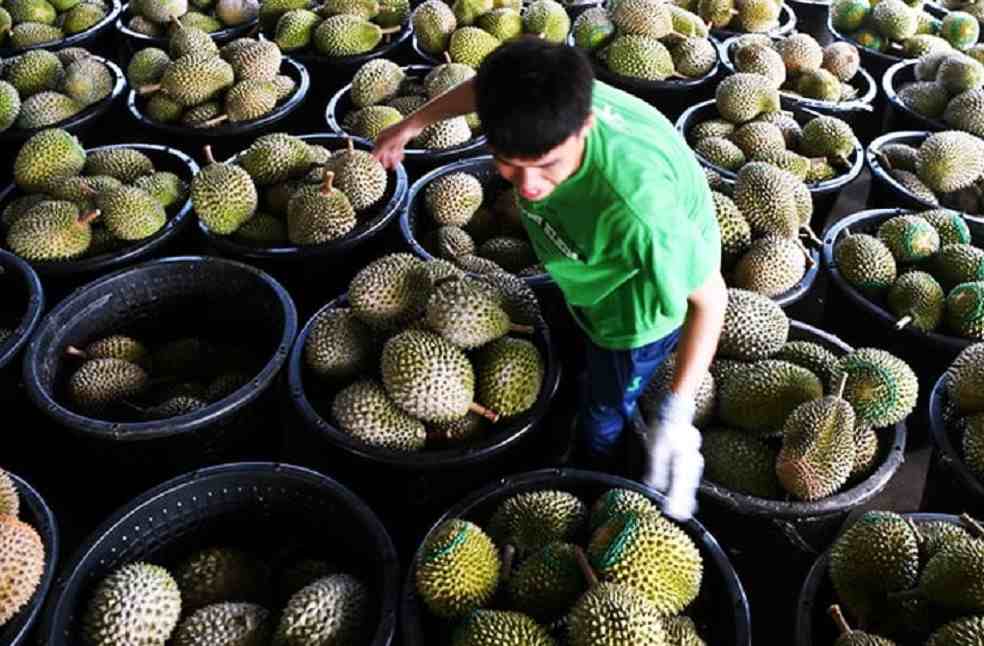
China imported 1.56 million metric tons of durian in 2024, worth nearly $7 billion, reaffirming its position as the world’s largest consumer.
Apdurin Secretary General Aditya Pradewo said durian reflects not only economic opportunity but also Indonesia’s push for agricultural modernization and internationalization. The country has major production centers in Java, Sumatra, Kalimantan, and Sulawesi, and is home to 21 of the world’s 27 durian species.
With diverse varieties and distinctive quality, Indonesia sees itself as ready to supply global markets sustainably.
Indonesian Consul General in Shanghai, Berlianto Situngkir, said durian is one of Indonesia’s fastest-growing plantation commodities. He noted that the country’s tropical climate and vast cultivation areas allow a year-round supply.
Frozen Indonesian durian has already begun entering the Chinese market, and Indonesia now aims to secure approval for fresh durian.
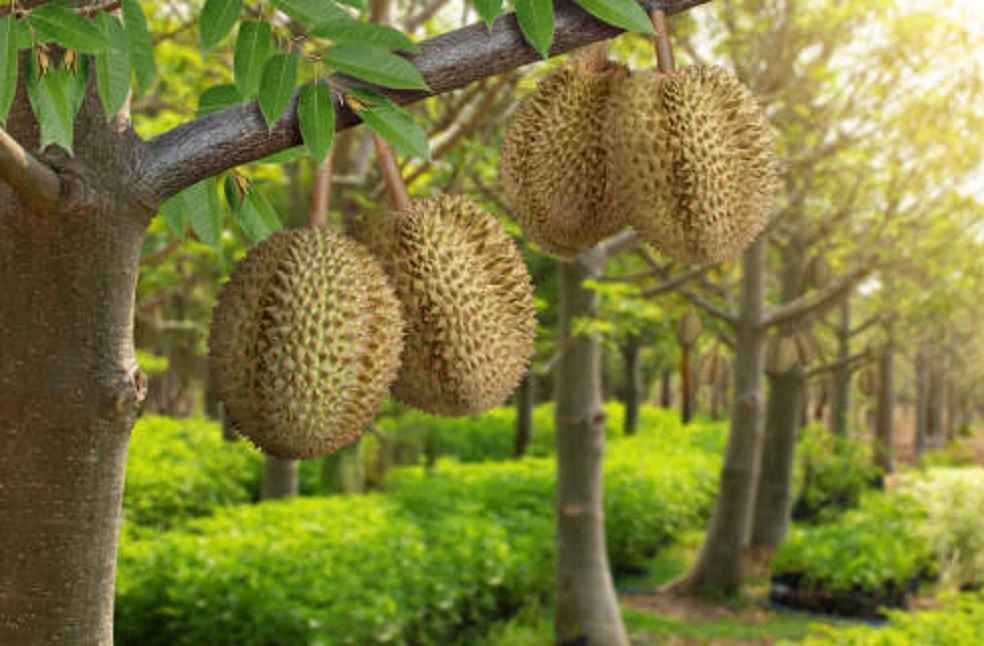
Over the next two years, the government plans to meet China’s requirements through agricultural modernization, production digitization, and strengthened quarantine standards. The International Durian Association will support these efforts through technology transfer, standardization, and brand development.
Indonesia is also encouraging Chinese investment in durian plantations within transmigration areas, leveraging fertile land and an available workforce.
Transmigration Minister Muhammad Iftitah Sulaiman Suryanagara proposed partnerships to establish export-oriented plantations and increase local value-added processing. The government has prepared more than 500,000 hectares of productive land for future industrial and agricultural investment.
Addressing challenges
Despite strong prospects, Indonesia still faces constraints in competing with Thailand and Vietnam in the Chinese market. China accounts for 91% of global durian consumption, driving rapid growth in durian-based food and lifestyle trends.
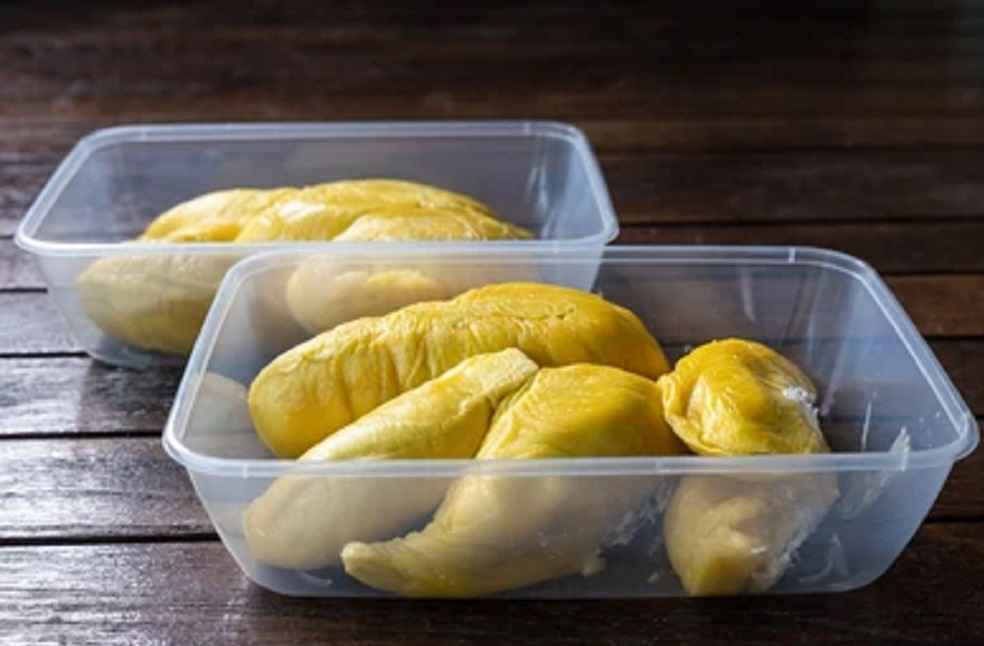
Indonesia has long faced logistical and licensing barriers. Eliza Mardian of CORE Indonesia noted that longer shipping distances affect the freshness of Indonesian durian compared to Thailand.
She urged the government to expand support for farmers through export requirement guidance, phytosanitary certification, access to capital, and improved logistics such as frozen storage.
Licensing obstacles have eased following the new frozen durian export protocol, which designates the Indonesian Quarantine Agency as the trusted regulator for food safety compliance.
Central Sulawesi, a key durian-producing region, has welcomed the agreement. The province has more than 110,000 trees planted across 1,100 hectares in Parigi Moutong, along with 16 packing houses certified by Chinese authorities.
Durian production there reached around 6,000 tons in 2024, generating between Rp600 billion and Rp700 billion in transactions.
With direct access to China, the province aims to reach Rp1 trillion ($64.5 million) in durian export cash flow in the first quarter of 2026.
METAL WORLD | Canada Cuts Korean Steel Quota, Imposes New Tariffs