


China declared new restrictions on the export of rare earth elements and related technologies, including their overseas use in military and semiconductor sectors, on Thursday.
The move comes amid ongoing trade negotiations between Beijing and the United States, and in anticipation of a scheduled meeting between Chinese leader Xi Jinping and U.S. President Donald Trump on the sidelines of the APEC summit in South Korea later this month.
Under the newly introduced regulations, export licenses will be mandatory for technologies involved in rare earth mining, smelting, processing, and magnet production. Additionally, foreign companies looking to supply rare earth materials that are either produced in China or processed using Chinese technology will also be required to secure a license, according to China’s Ministry of Commerce.
China stands as the top global supplier of critical minerals used in manufacturing magnets, which are crucial for the automotive, electronics, and defense sectors. Rare earth elements have been a key point of contention in recent trade talks between China and the United States, with Washington accusing Beijing of deliberately delaying export license approvals.
China’s Ministry of Commerce stated that the new measures aim to “protect its national security and interests” and to prevent the “misuse of rare-earth materials in military and other sensitive sectors.” The ministry further noted that certain foreign companies had compromised China’s security by passing Chinese-origin rare-earth materials and technologies to third parties for military purposes. Under the new licensing framework, foreign-produced rare-earth magnets and specific semiconductor materials containing at least 0.1% Chinese-origin heavy rare earths by value will also be subject to export controls.
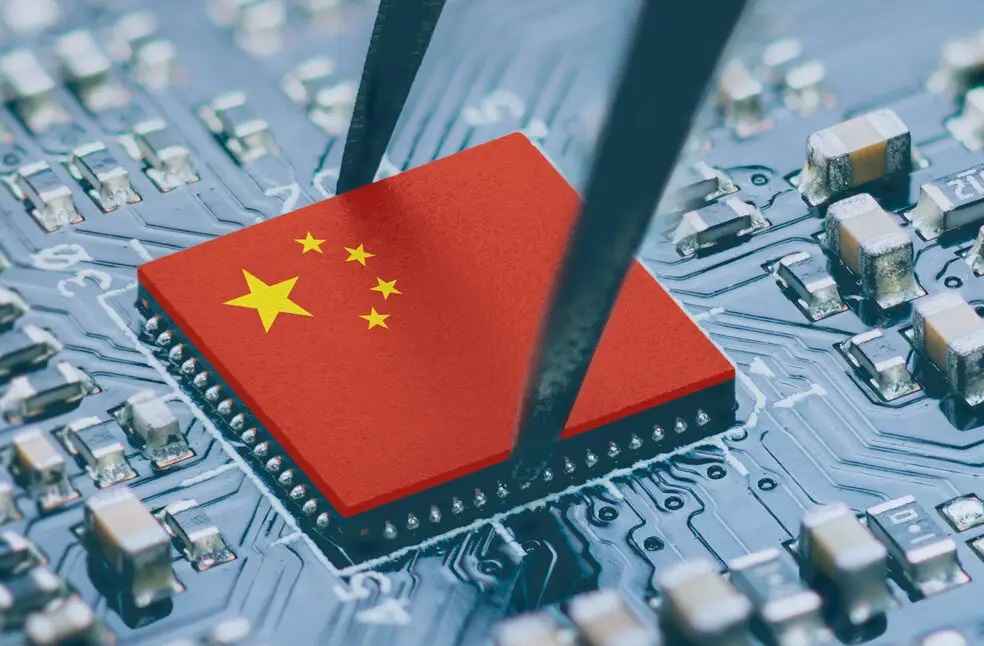
The Commerce Ministry affirmed that export license requests involving rare earths used in the development and production of advanced computing, memory chips, and artificial intelligence with potential military applications will be assessed individually. Additionally, Chinese citizens and firms are barred from participating in rare earth mining, processing, or magnet manufacturing abroad without official authorization. Most of these new restrictions took effect immediately on Thursday.
Beijing initially implemented rare earth export restrictions in April as a response to tariffs introduced by the Trump administration. The decision pressured Washington into negotiations, as the limited availability of Chinese rare earths began to disrupt U.S. automotive supply chains and military-related production.
METAL WORLD | Argentina Suspends Metal Export Taxes to Boost Industrial Growth