


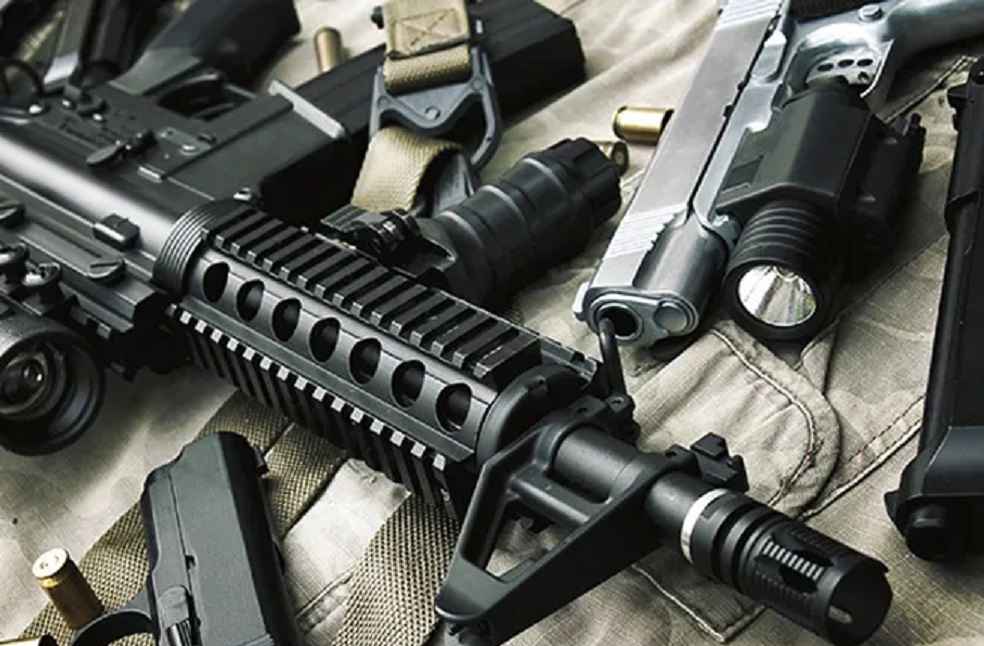
The global arms trade remains a defining factor in geopolitics, shaping power balances and international relations. Although the volume of major international arms transfers between 2020 and 2024 was 0.6% lower than in 2015–19, a handful of countries continue to dominate the export market. Their roles offer crucial insight into shifting alliances and global security strategies.
The United States is the undisputed leader, accounting for 43% of global arms exports from 2020 to 2024, according to the March 2025 report by the Stockholm International Peace Research Institute (SIPRI). Its dominance is driven by a vast defence industry and a wide network of partners, supplying arms to 107 countries. Ukraine was its largest recipient in 2023, followed by Japan, Saudi Arabia, Qatar, and the United Arab Emirates.
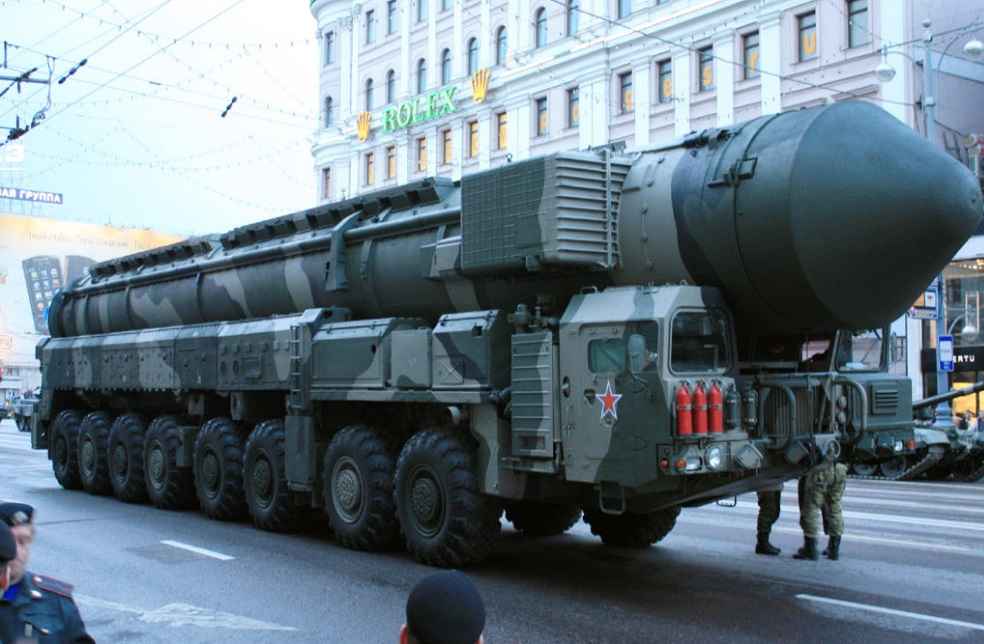
France has secured its place as the world’s second-largest exporter, overtaking Russia in recent years. Its exports rose by 47% between 2019 and 2023, representing 11% of global transfers. India emerged as the largest buyer, accounting for 29% of French arms sales, while a total of 64 countries received French defence equipment.
Russia, once a dominant force, has seen its share reduced noticeably due to sanctions and changing global alliances. From 2019 to 2023, Russian arms exports fell by more than half, making up just 7.8% of the global market. Despite this decline, Russia continues to supply to several Middle Eastern and Asian states.
China remains a major player, contributing 5.9% of global arms exports between 2020 and 2024. Its exports are largely directed to Asian and African nations, emphasizing affordability and reliability. These exports form part of China’s broader geopolitical strategy of deepening ties with developing countries.
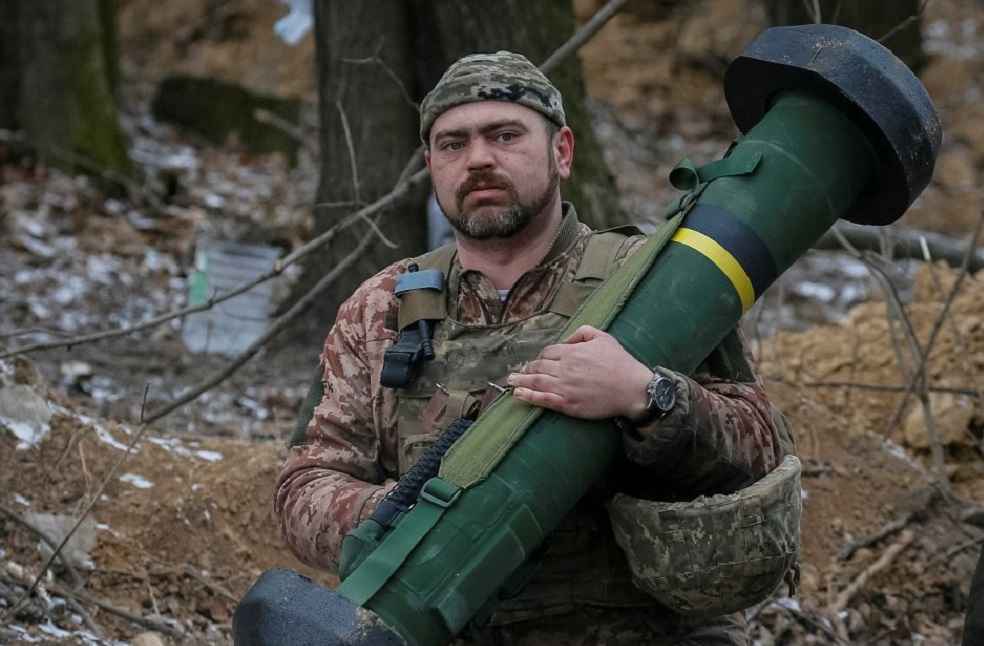
Italy has strengthened its presence, accounting for 4.8% of global exports. Known for producing naval vessels, aircraft, and small arms, Italy primarily supplies European states and NATO partners.
The United Kingdom rounds out the group, holding a 3.6% share of global exports. Renowned for advanced military technology such as fighter jets and warships, the UK maintains strong demand from countries in the Middle East and Asia.
Together, these leading exporters illustrate the central role of defence trade in global politics, where arms transfers extend far beyond commerce, underpinning alliances and shaping international influence.
LOGISTICS INDUSTRY | Ghana Boosts Maritime Role at IMO Cargo Safety Session
